
Mar . 21, 2026 02:05 Back to list
Comprehensive Guide to Hydraulic Cylinder Seals for Optimal System Performance
Understanding Hydraulic Cylinder Seals: A Comprehensive Guide
Hydraulic cylinder seals are critical components in any hydraulic system, ensuring efficient and reliable operation. These seals prevent leakage of hydraulic fluid, maintain pressure, and protect internal components from contamination. Choosing the right seal for your application is paramount to maximizing performance and minimizing downtime. This article will delve into the types, materials, applications, and best practices for selecting and maintaining hydraulic cylinder seals, helping you optimize your hydraulic systems. Proper seal selection can dramatically extend the life of your cylinders and reduce operational costs.
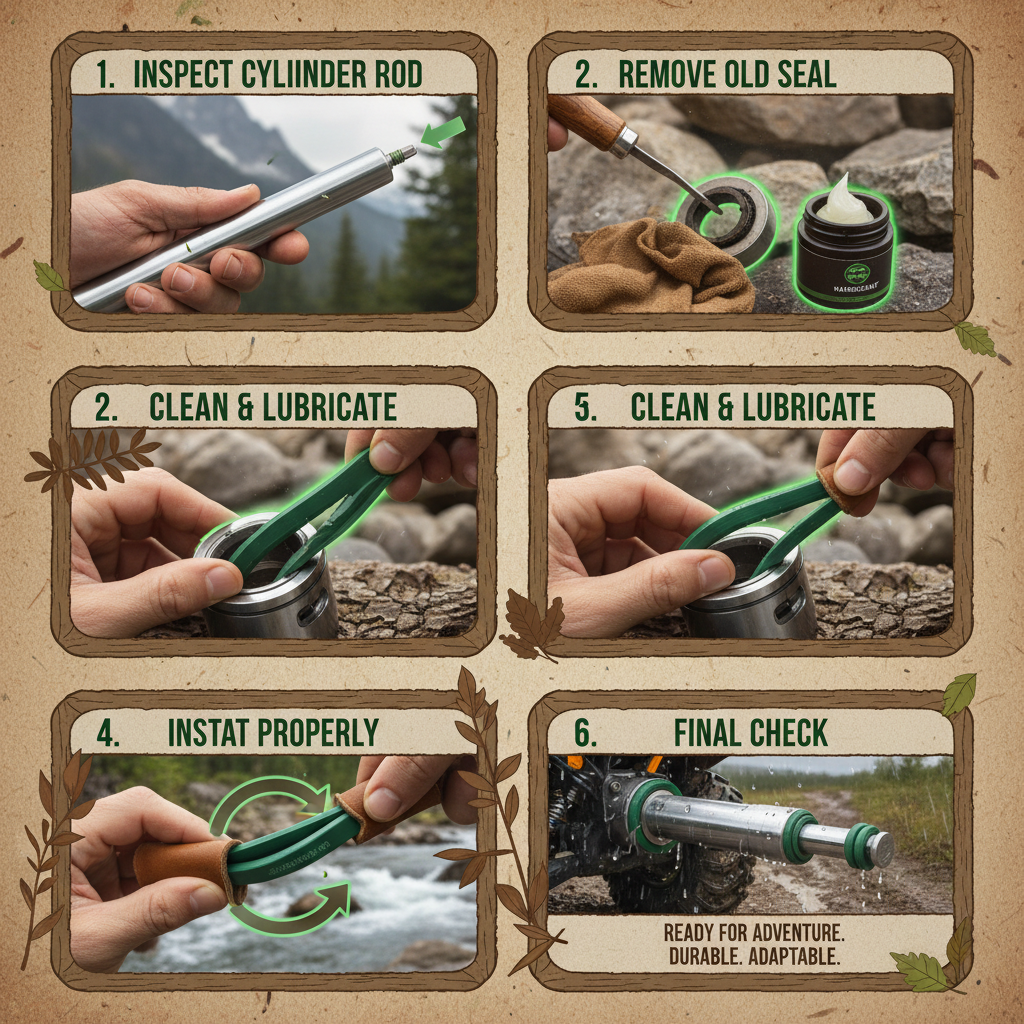
Types of Hydraulic Cylinder Seals
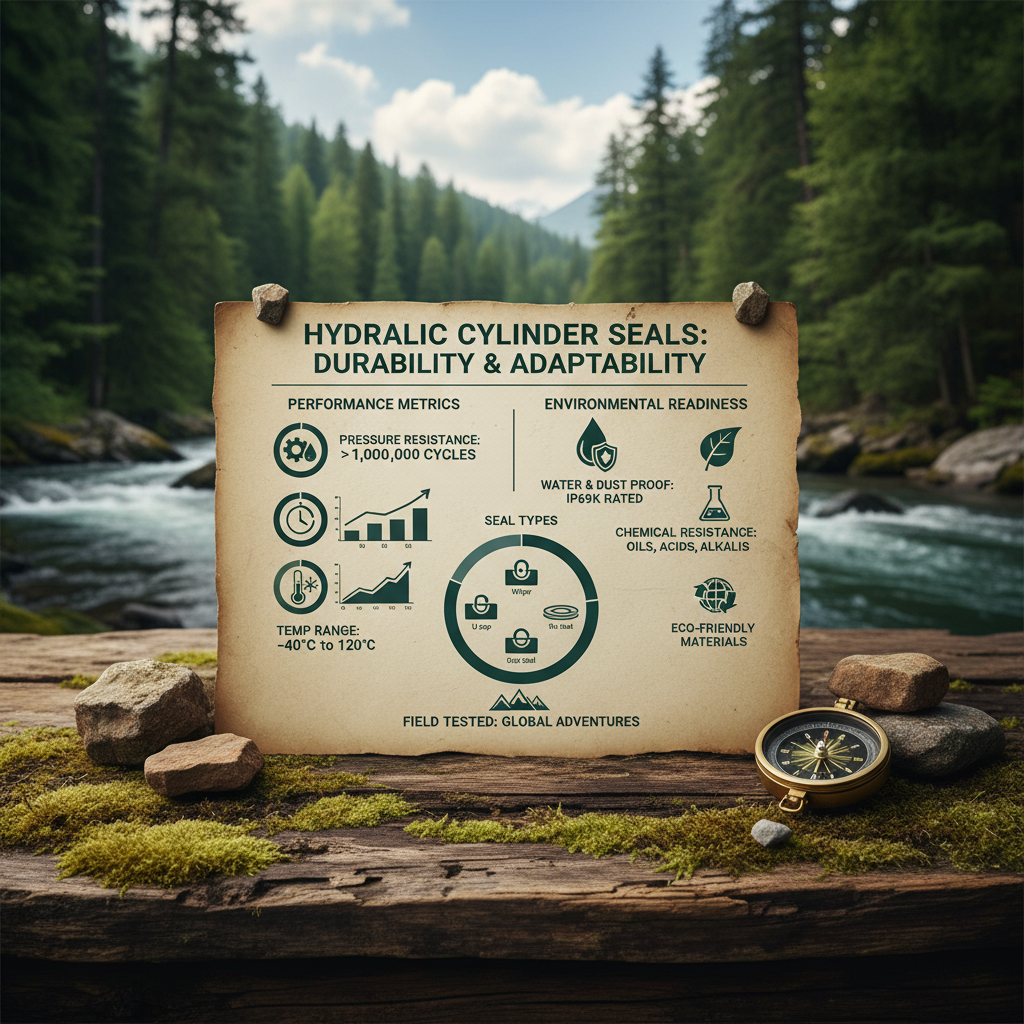
There are several types of hydraulic cylinder seals, each designed for specific applications and performance requirements. Common types include O-rings, U-cups, V-seals, and wiper seals. O-rings are simple, versatile, and cost-effective, suitable for static and dynamic sealing applications. U-cups provide excellent sealing performance in high-pressure environments and are often used in rod and piston seals. V-seals are designed to seal rotating shafts and are typically used in hydraulic motors and pumps. Wiper seals prevent contaminants from entering the cylinder, protecting the internal components from damage. Understanding these distinctions is vital when selecting the right seal for your particular needs.
Key Highlights: Hydraulic cylinder seals come in various types, including O-rings, U-cups, V-seals, and wiper seals. Each type offers unique sealing performance characteristics and is suited for different applications.
Material Considerations for Hydraulic Seals
The material of a hydraulic seal is a crucial factor affecting its performance and longevity. Common materials include Nitrile Rubber (NBR), Viton (FKM), Polyurethane (PU), and PTFE. NBR is a cost-effective option for general-purpose applications with moderate temperature and pressure requirements. Viton offers excellent resistance to chemicals, high temperatures, and oils, making it ideal for demanding environments. Polyurethane provides superior abrasion resistance and is often used in heavy-duty applications. PTFE offers the broadest chemical compatibility and can withstand extreme temperatures, but it typically requires a backing material for support. Choosing the appropriate material ensures compatibility with the hydraulic fluid and operating conditions.
Material Comparison:
• NBR: Cost-effective, general-purpose
• Viton (FKM): Chemical & temperature resistant
• PU: Superior abrasion resistance
• PTFE: Broad chemical compatibility
Selecting the Right Hydraulic Cylinder Seal
Choosing the correct hydraulic cylinder seal requires careful consideration of several factors. These include the operating pressure, temperature range, fluid compatibility, and application environment. High-pressure applications necessitate seals with robust designs and materials. Exposure to harsh chemicals demands seals with excellent chemical resistance. Dynamic applications require seals with low friction and high wear resistance. Carefully analyzing these factors will ensure optimal performance and prevent premature failure.
Installation and Maintenance Best Practices
Proper installation and maintenance are crucial for maximizing the lifespan and performance of hydraulic cylinder seals. Always ensure that the cylinder bore is clean and free of debris before installing the seal. Lubricate the seal with the appropriate hydraulic fluid during installation. Avoid twisting or damaging the seal during installation. Regularly inspect the seals for signs of wear, damage, or leakage. Replace seals proactively to prevent catastrophic failures and downtime. Proper maintenance can save you significant costs in the long run.
The Role of HKAiseal in Providing Quality Seals
At HKAiseal, we specialize in providing high-quality hydraulic cylinder seals to meet diverse industrial needs. We offer a wide range of seal types, materials, and sizes to ensure compatibility with various hydraulic systems. Our commitment to quality and customer satisfaction sets us apart. We provide expert technical support to assist you in selecting the right seal for your application. We strive to deliver reliable sealing solutions that optimize performance and minimize downtime.
Conclusion: Ensuring Reliability with Quality Seals
Selecting and maintaining the correct hydraulic cylinder seals is essential for the efficient and reliable operation of any hydraulic system. By understanding the various types, materials, and installation best practices, you can optimize performance and minimize downtime. Partner with a trusted supplier like HKAiseal to ensure you receive the highest quality sealing solutions.
Frequently Asked Questions (FAQs)
What causes hydraulic cylinder seal failure?
Several factors can contribute to hydraulic cylinder seal failure. These include improper installation, contamination of the hydraulic fluid, excessive pressure or temperature, and material incompatibility. Wear and tear from continuous use also play a role. Regularly monitoring fluid cleanliness, maintaining proper operating conditions, and using the correct seal materials can significantly reduce the risk of failure. Signs of seal failure include leakage, reduced cylinder performance, and increased cycle times. Addressing these issues promptly can prevent more significant damage.
How often should hydraulic seals be replaced?
The replacement frequency of hydraulic seals depends on various factors, including the operating conditions, fluid type, and seal material. As a general guideline, seals should be inspected annually and replaced every 3-5 years, or sooner if signs of wear or leakage are detected. Severe operating conditions, such as high temperatures or abrasive fluids, may necessitate more frequent replacement. Keeping a maintenance log and tracking seal performance can help determine the optimal replacement schedule.
What is the importance of hydraulic fluid cleanliness?
Hydraulic fluid cleanliness is paramount to the longevity and performance of hydraulic seals. Contaminants, such as dirt, metal particles, and water, can cause abrasive wear, corrosion, and seal degradation. Regularly filtering the hydraulic fluid and implementing proper contamination control measures are essential. Using high-quality filters and maintaining a clean reservoir environment will significantly extend the life of your seals and prevent costly repairs.
Where can I find high-quality hydraulic cylinder seals?
HKAiseal is a trusted provider of high-quality hydraulic cylinder seals. We offer a comprehensive selection of seal types, materials, and sizes to meet your specific needs. Our commitment to quality, reliability, and customer satisfaction ensures that you receive the best possible sealing solutions.
-
Guide to Choosing the Right High Quality hydraulic ram kit
NewsApr.16,2026
-
Premium Hydraulic Cylinder Packing Kits for Peak Performance
NewsApr.09,2026
-
Comprehensive Guide to Hydraulic Cylinder Oil Seal Kits for Optimal Performance
NewsApr.07,2026
-
Comprehensive Guide to Choosing the Right Cylinder Seal Kits for Peak Performance
NewsApr.04,2026
-
Comprehensive Guide to Seal Kits for Cylinders Ensuring Optimal Performance
NewsMar.31,2026
-
Comprehensive Guide to Hyd Cylinder Seals for Optimal Hydraulic System Performance
NewsMar.28,2026
-
Comprehensive Guide to Hyd Cylinder Seal Kit Selection and Installation
NewsMar.26,2026
Products categories
-
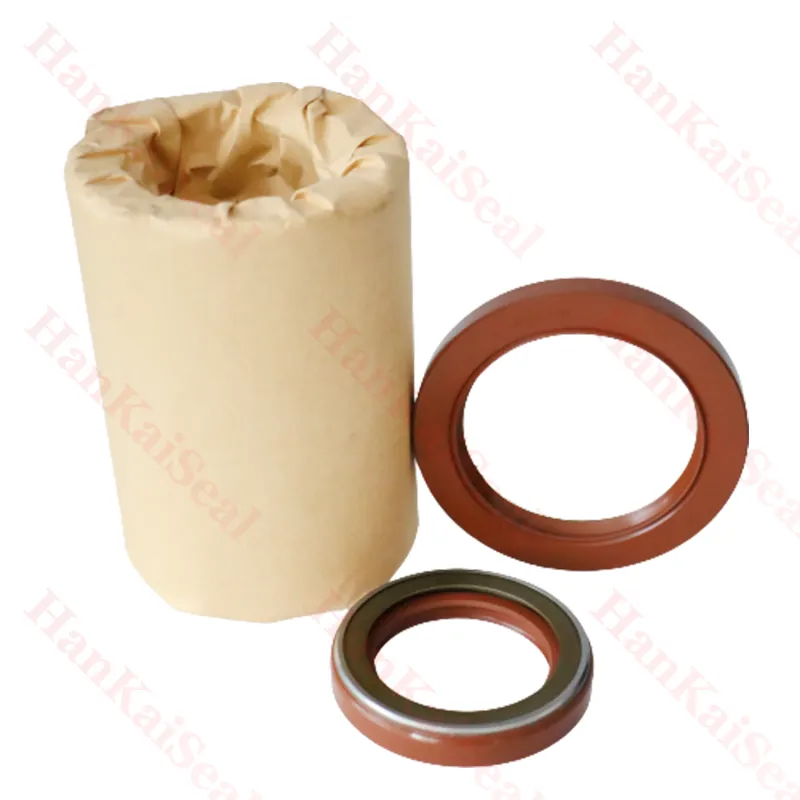
Standard oil seal BP0494 High pressure TCN oil seal
-
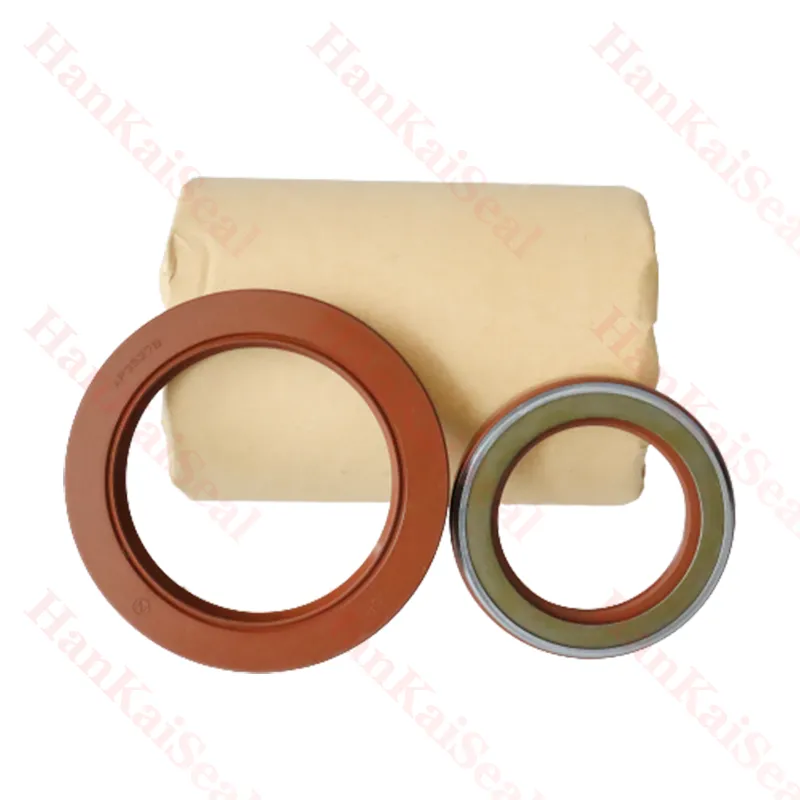
Hydraulic pump seal AP4624G high pressure TCN oil seal
-
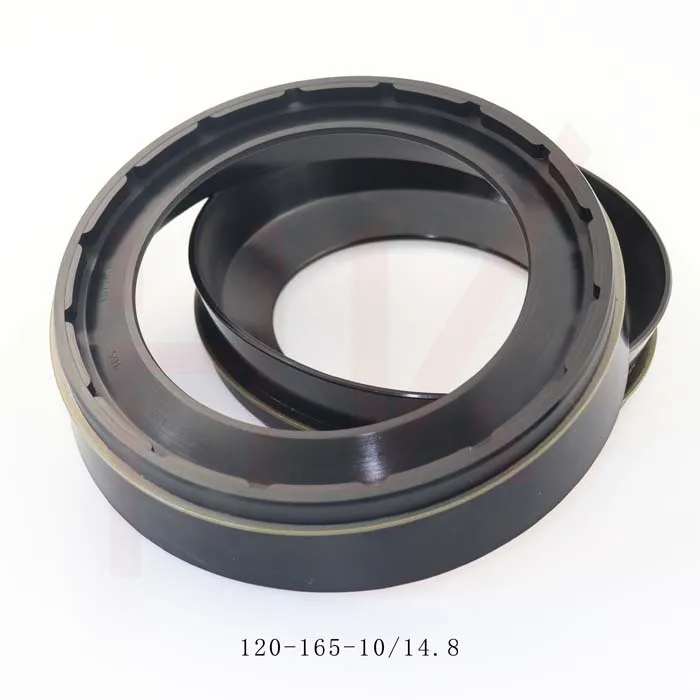
0734307418 0750112169 120*165*10/14.8 concrete mixer reducer oil seal
-
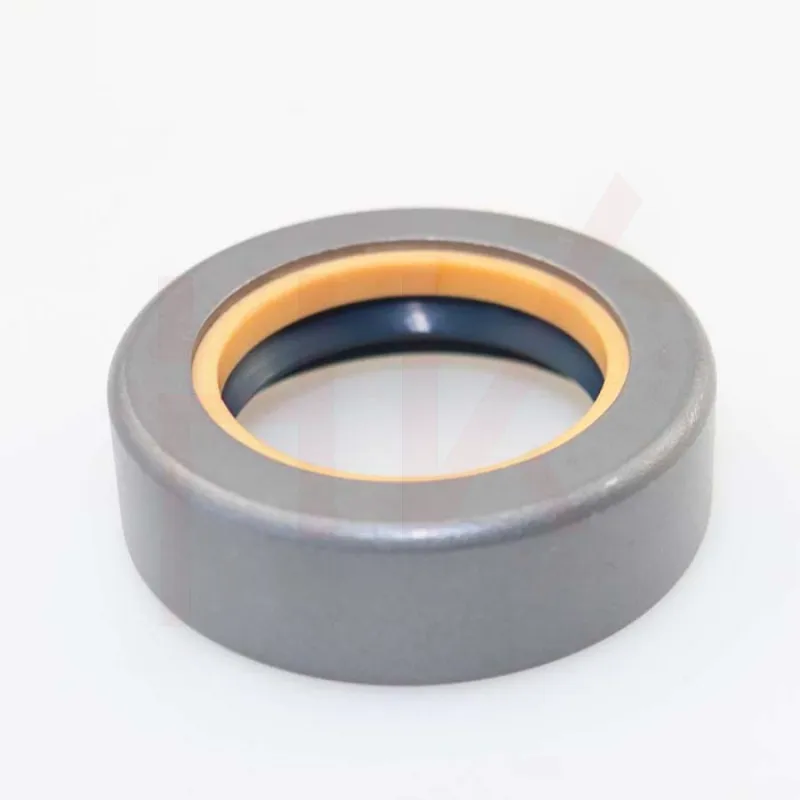
35*52*16 Standard Wheel Hub Oil Seal For Agricultural Machinery
-
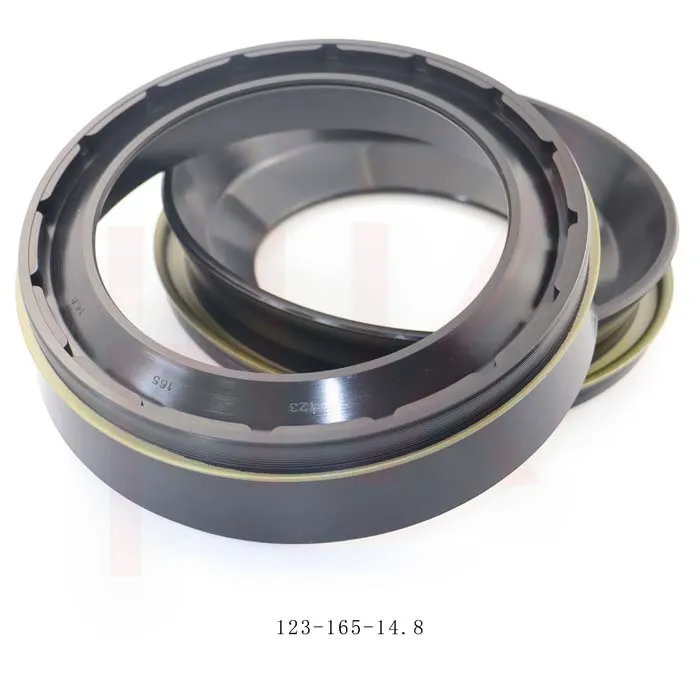
123*165*14.8 concrete mixer truck reducer oil seal
-
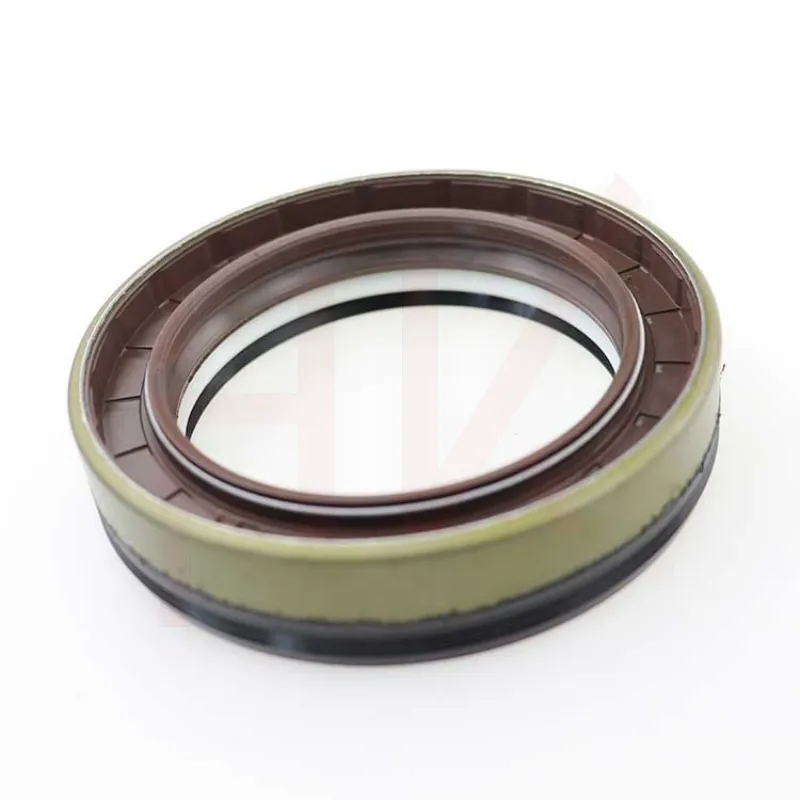
Tractor shaft oil seal 65-90-20 COMBI SF19 hub oil seal
-
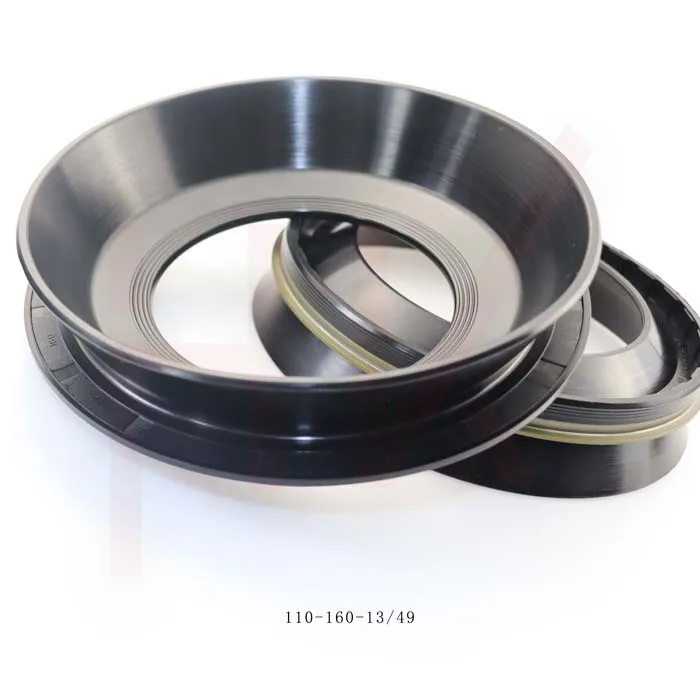
110*160*13/49 NBR reducerConcrete mixer truck oil seal
-
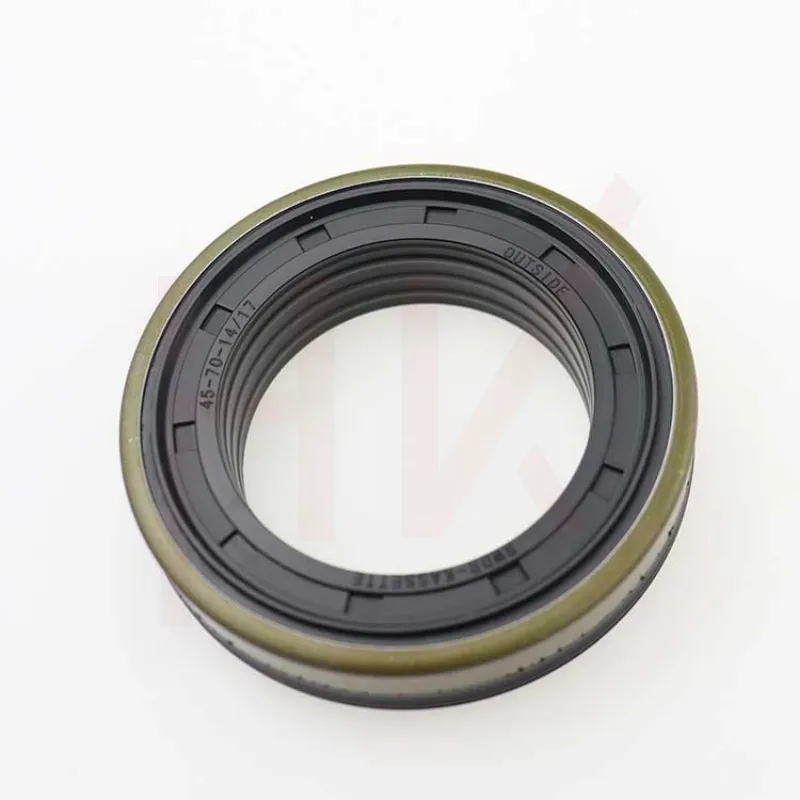
Hub oil seal 40*65*13/14.5 suitable for tractor Cat 12018035b
-
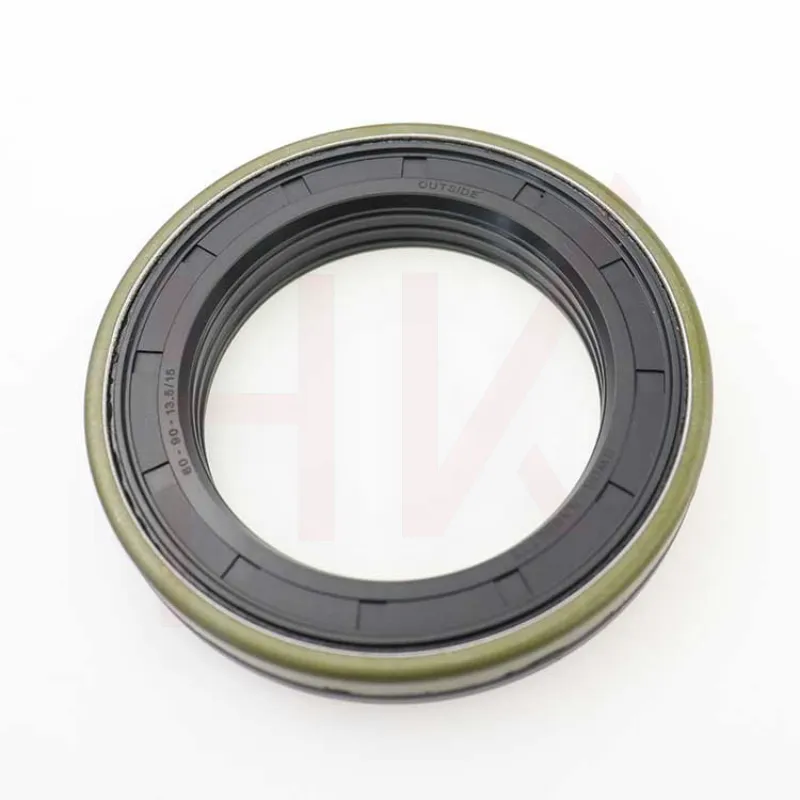
Tractor accessories cassette oil seal hub oil seal 60-90-13.5/15
-
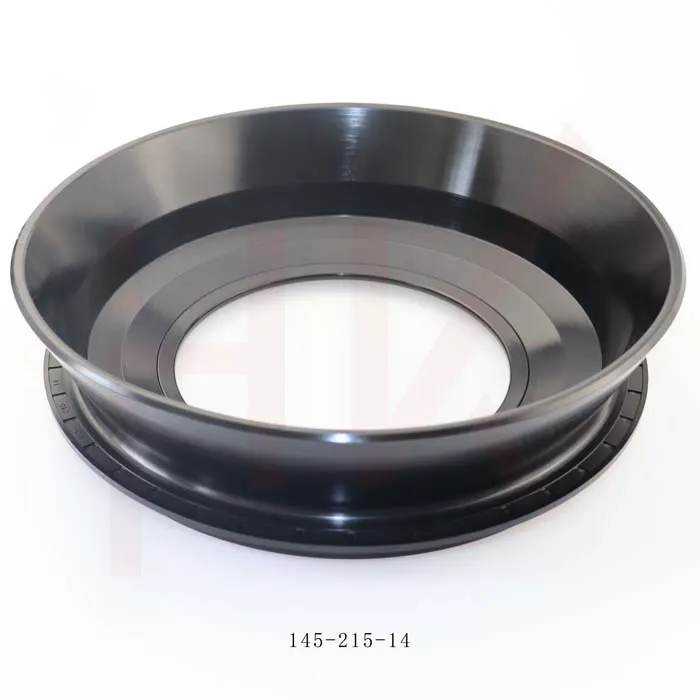
Factory concrete mixer truck oil seal 145*215*14 reducer gearbox oil seal
-
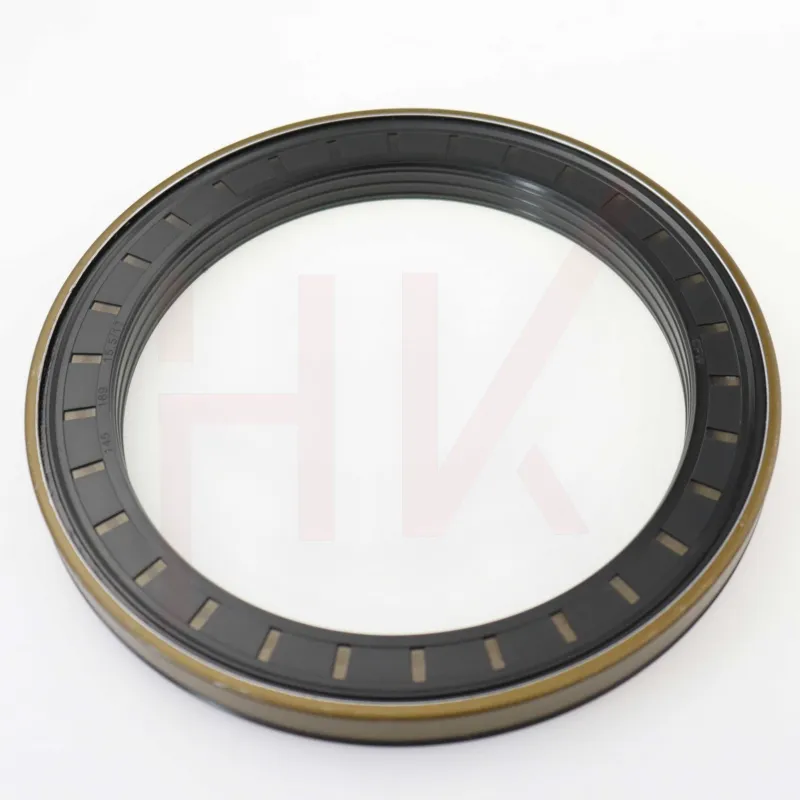
145*189*15.5/17 Cassette Seal NBR Hub Oil Seal 1508044
-
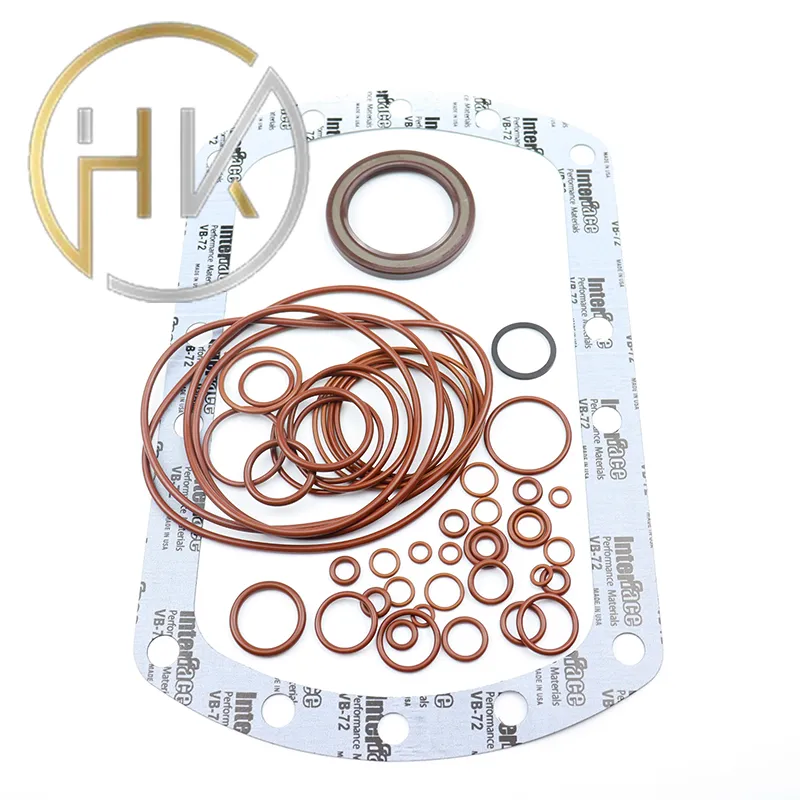
Factory direct sales hydraulic pump motor seal kit A8VO140
-
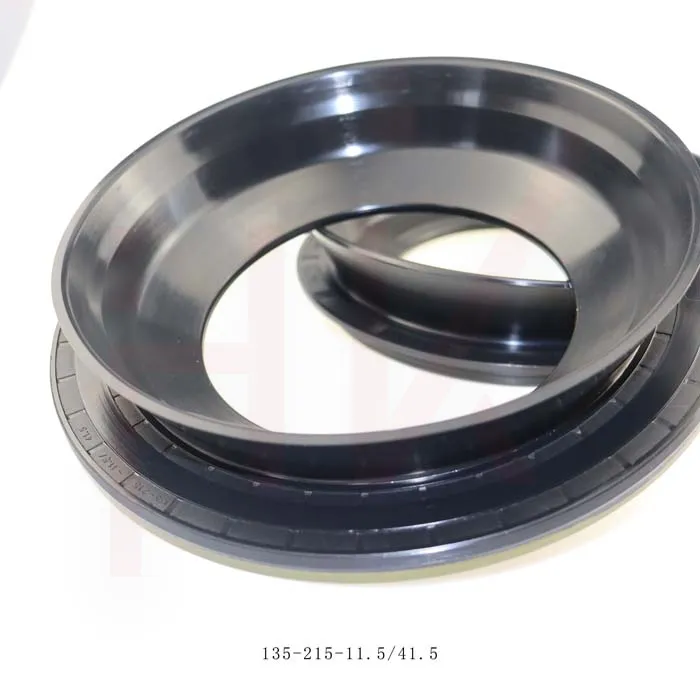
Brand new cement tanker oil seal 135*215*11.5/41.5 concrete mixer oil seal
-
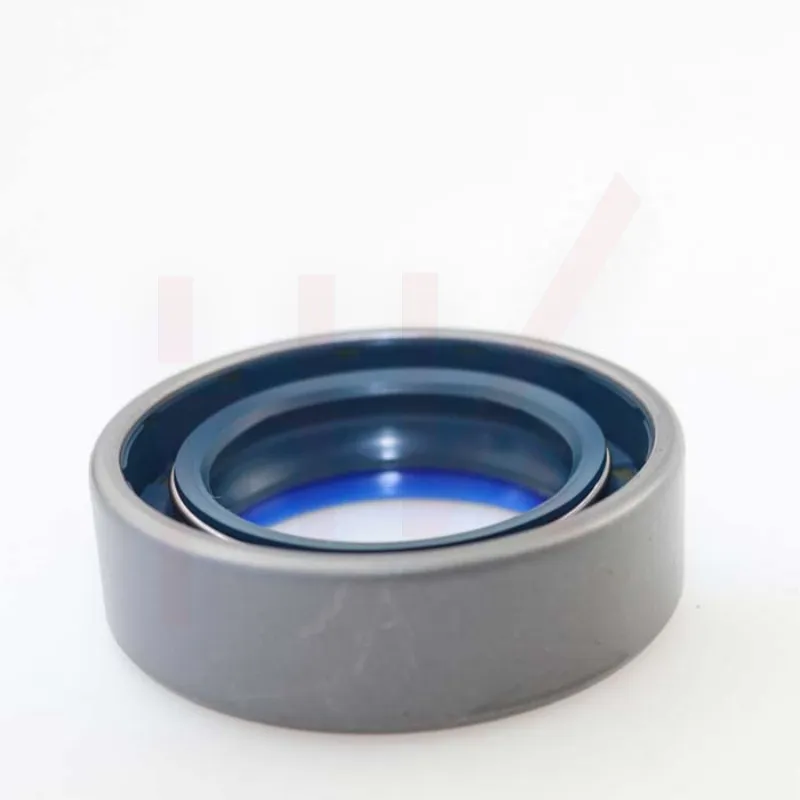
45*65*15 Combi oil seal JCB 90450009 COMBI SF1 SEAL
-
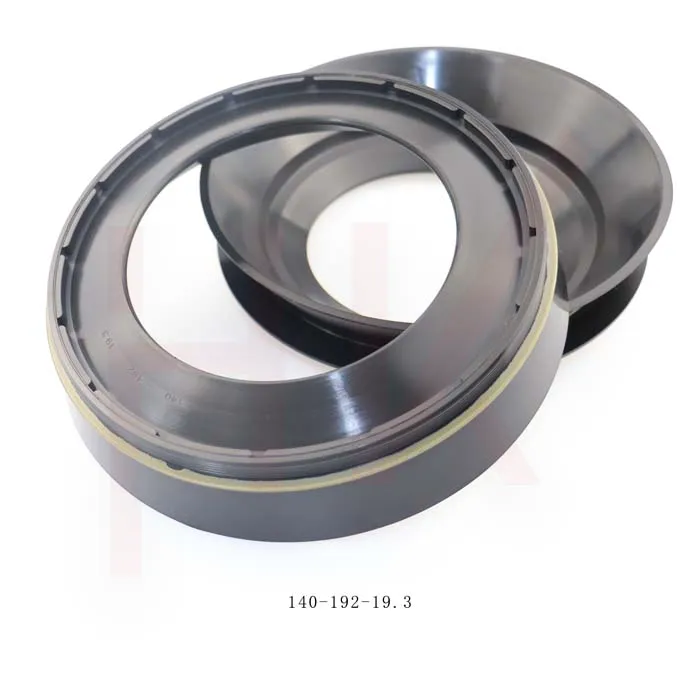
Gear box concrete mixer oil seal 140*192*19.3 nbr reducer oil seal
-
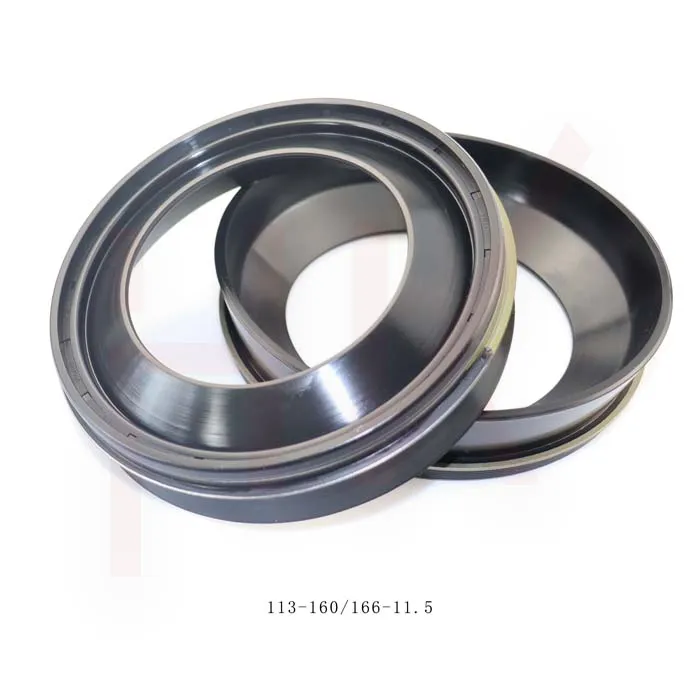
Seals factory direct sales 113*160/166*11.5/38 excavator truck reducer oil seal