
Mar . 14, 2026 02:05 Back to list
Comprehensive Guide to Hydraulic Seal Kits for Optimal System Performance
Understanding Hydraulic Seal Kit: A Comprehensive Guide
A hydraulic seal kit is a critical component in maintaining the efficiency and longevity of hydraulic systems. These kits contain a collection of seals designed to prevent fluid leakage and contamination, ensuring optimal performance. Choosing the right seal kit is vital for applications ranging from heavy machinery to precision instruments. This article will delve into the world of hydraulic seal kits, covering their types, materials, applications, and how to select the best kit for your needs. Proper seal maintenance prevents costly downtime and maximizes operational effectiveness.
What is a Hydraulic Seal Kit and Why is it Important?
A hydraulic seal kit is a pre-packaged collection of seals, o-rings, wipers, and other components necessary to overhaul or repair the sealing system within a hydraulic cylinder, pump, valve, or other hydraulic component. The importance of these kits lies in their ability to maintain pressure, prevent leaks, and keep contaminants out of the hydraulic fluid. Without effective seals, hydraulic systems will suffer reduced efficiency, increased wear, and ultimately, failure. Regular replacement of seals, often as part of a scheduled maintenance program, is a proactive step in preventing expensive repairs and downtime. A well-maintained sealing system translates directly to a reliable and productive hydraulic operation.
Key Benefits: Preventing fluid leakage, protecting system components, maintaining pressure, reducing downtime, and increasing overall efficiency.
Types of Seals Found in a Hydraulic Seal Kit
Hydraulic seal kits typically include a variety of seals designed for different applications within the hydraulic system. Common types include: O-rings (for static sealing), U-cups (for dynamic sealing in cylinders), V-seals (for rotary shaft applications), Wipers (to remove contaminants from the rod), and Back-up rings (to prevent extrusion of seals under high pressure). The specific composition of a kit will vary depending on the equipment it’s designed for. Understanding the function of each seal type is crucial when troubleshooting or replacing components. HKAISEAL offers a comprehensive range of kits with different seal configurations.
Common Seal Types:
• O-Rings: Static sealing, simple and cost-effective.
• U-Cups: Dynamic sealing in cylinders, offering good wear resistance.
• V-Seals: Rotary shaft sealing, effective for high speeds.
• Wipers: Contaminant exclusion, protecting the hydraulic fluid.
Hydraulic Seal Kit Materials: A Comparison
The material used for hydraulic seals significantly impacts their performance and lifespan. Common materials include: Nitrile (Buna-N) – widely used for general purpose applications due to its good oil resistance; Viton (FKM) – offering superior resistance to high temperatures, aggressive chemicals, and oils; Polyurethane (PU) – providing excellent abrasion resistance and high load-bearing capacity; and EPDM – offering excellent resistance to water, steam, and phosphate ester fluids. Choosing the correct material is paramount based on the operating conditions, fluid compatibility, and temperature range. Here’s a quick comparison:
Choosing the Right Hydraulic Seal Kit
Selecting the correct hydraulic seal kit requires careful consideration of several factors. First, identify the equipment manufacturer and model number. This ensures you obtain a kit specifically designed for your application. Next, consider the operating conditions: temperature, pressure, fluid type, and potential contaminants. Refer to the equipment manual for recommended seal materials. Finally, choose a reputable supplier like HKAISEAL that offers high-quality kits and technical support. Using the wrong kit can lead to premature failure and costly repairs.
Maximizing Hydraulic Seal Kit Lifespan
To prolong the life of your hydraulic seals, maintain a clean hydraulic system. Use proper filtration to remove contaminants from the fluid. Regularly monitor fluid levels and check for leaks. Avoid operating the system outside of its specified pressure and temperature ranges. When replacing seals, ensure proper lubrication during installation. Following these simple practices will significantly extend the lifespan of your hydraulic seals and reduce the frequency of maintenance.
Conclusion: Investing in Quality Hydraulic Seals
A high-quality hydraulic seal kit is a critical investment for the reliability and longevity of your hydraulic systems. By understanding the different types of seals, materials, and proper selection criteria, you can ensure optimal performance and minimize downtime. Prioritizing preventative maintenance and choosing a trusted supplier like HKAISEAL will contribute to a more efficient and cost-effective operation.
Frequently Asked Questions (FAQs)
How often should I replace my hydraulic seals?
The frequency of hydraulic seal replacement depends on the application and operating conditions. As a general guideline, seals should be inspected and replaced during scheduled maintenance, typically every 12-24 months, or sooner if performance issues arise. Signs that seals may need replacing include noticeable leaks, reduced system pressure, or sluggish operation. Operating in harsh environments with high temperatures or abrasive contaminants will require more frequent inspections and replacements. It's always better to proactively replace seals before they fail completely, preventing potential damage to other system components.
What causes hydraulic seals to fail?
Hydraulic seal failure can be attributed to several factors, including wear and tear from friction, degradation due to chemical incompatibility, extreme temperatures, and contamination from dirt or debris. Extrusion, where the seal is forced into the gap between mating components due to high pressure, is another common cause of failure. Improper installation, such as twisting or stretching the seal, can also lead to premature failure. Regular maintenance, proper fluid filtration, and selecting the correct seal material for the application can significantly reduce the risk of failure.
Can I use a universal hydraulic seal kit for any application?
No, it’s generally not recommended to use a universal hydraulic seal kit for all applications. Hydraulic systems vary significantly in their design, pressure requirements, and fluid types. Using a kit that isn't specifically designed for your equipment can lead to improper sealing, premature failure, and potential system damage. Always verify the compatibility of the seal kit with the manufacturer's specifications for your equipment. It's best to choose a kit designed for the specific make and model of your hydraulic component.
Where can I find high-quality hydraulic seal kits?
You can find high-quality hydraulic seal kits from reputable suppliers like HKAISEAL. Look for suppliers that offer a wide range of kits, technical support, and a commitment to quality. Ensure the kits are made from durable materials and meet industry standards. Reading customer reviews and comparing pricing can also help you make an informed decision.
-
Guide to Choosing the Right High Quality hydraulic ram kit
NewsApr.16,2026
-
Premium Hydraulic Cylinder Packing Kits for Peak Performance
NewsApr.09,2026
-
Comprehensive Guide to Hydraulic Cylinder Oil Seal Kits for Optimal Performance
NewsApr.07,2026
-
Comprehensive Guide to Choosing the Right Cylinder Seal Kits for Peak Performance
NewsApr.04,2026
-
Comprehensive Guide to Seal Kits for Cylinders Ensuring Optimal Performance
NewsMar.31,2026
-
Comprehensive Guide to Hyd Cylinder Seals for Optimal Hydraulic System Performance
NewsMar.28,2026
-
Comprehensive Guide to Hyd Cylinder Seal Kit Selection and Installation
NewsMar.26,2026
Products categories
-
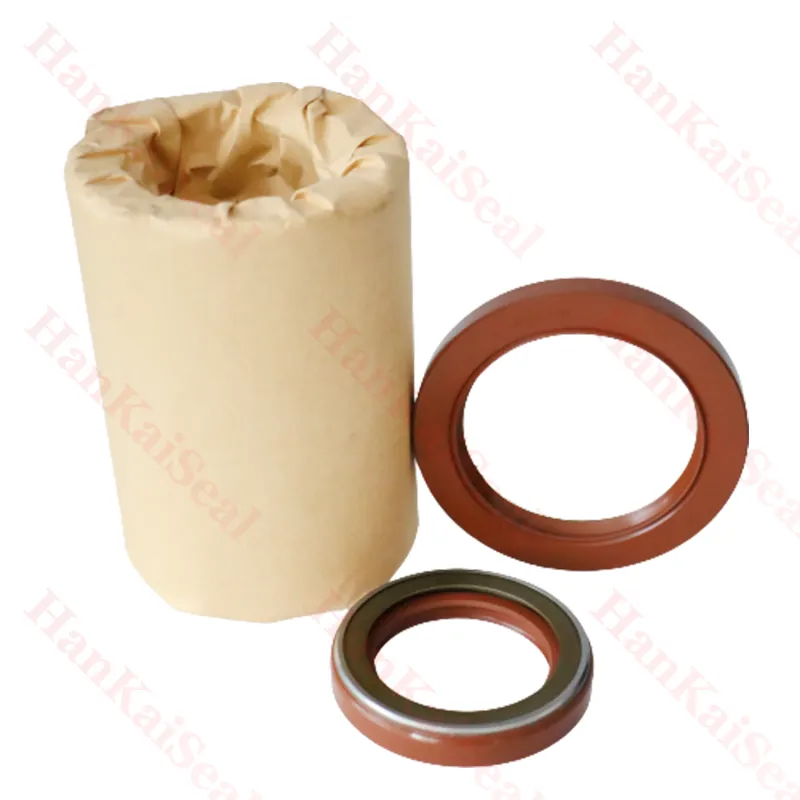
Standard oil seal BP0494 High pressure TCN oil seal
-
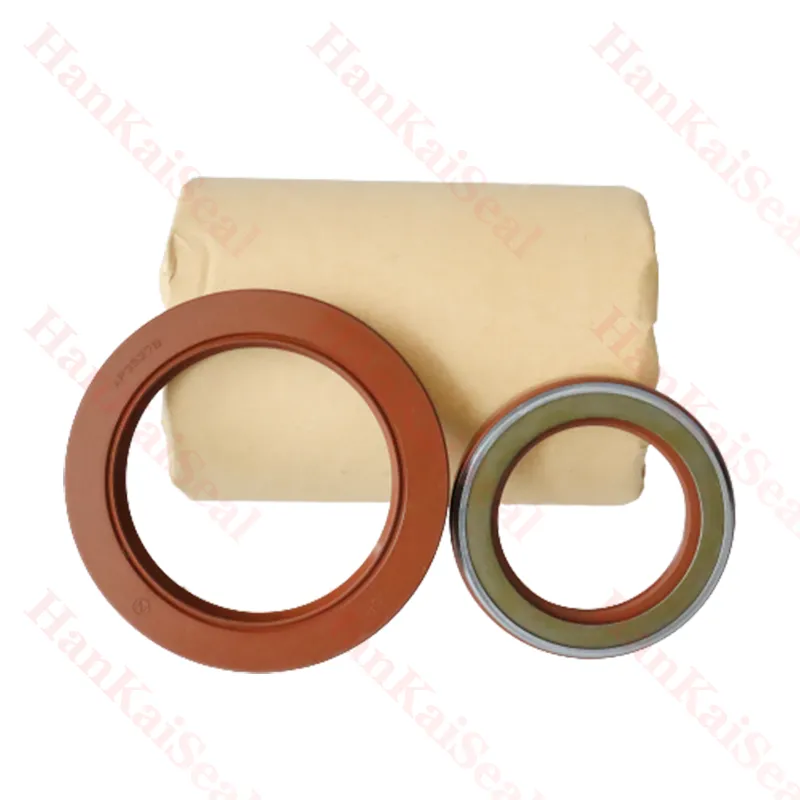
Hydraulic pump seal AP4624G high pressure TCN oil seal
-
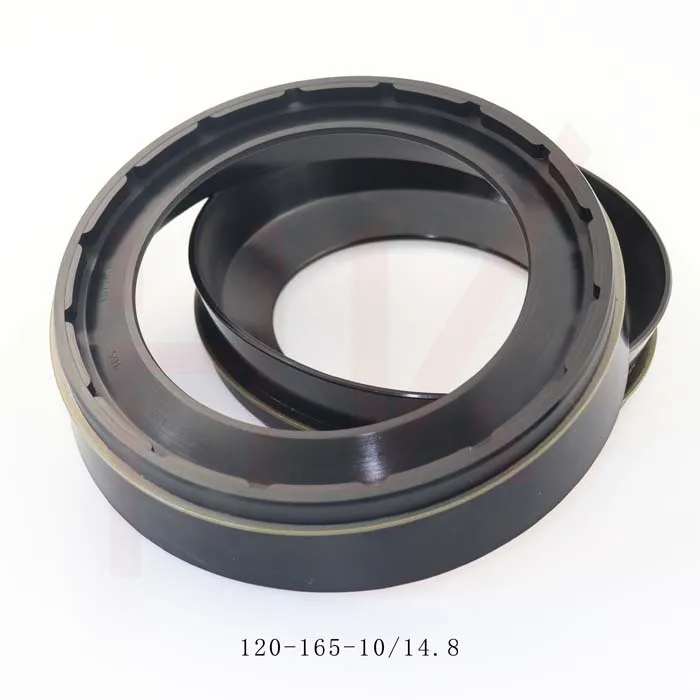
0734307418 0750112169 120*165*10/14.8 concrete mixer reducer oil seal
-
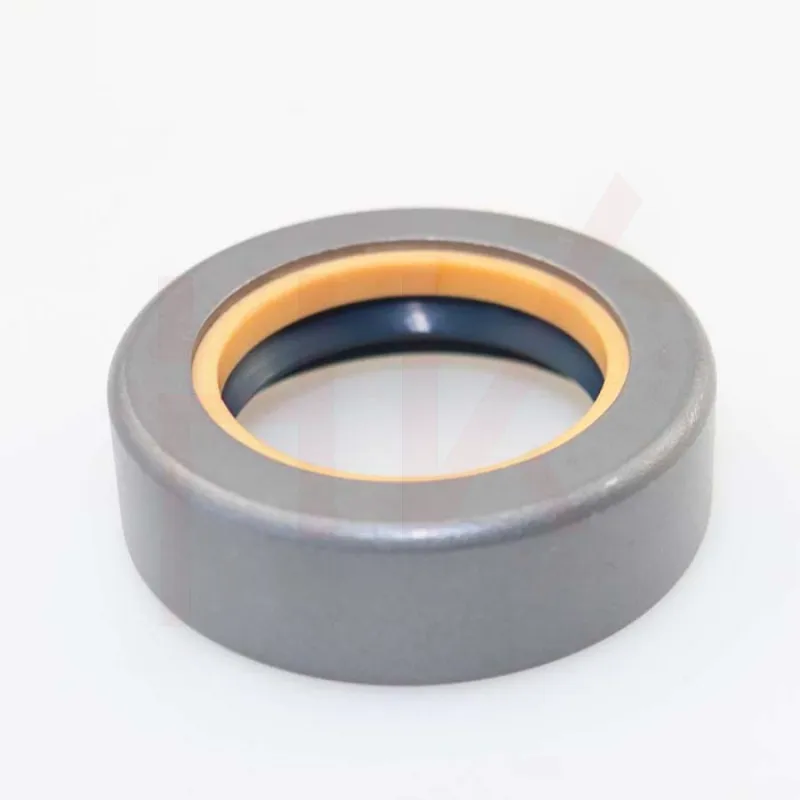
35*52*16 Standard Wheel Hub Oil Seal For Agricultural Machinery
-
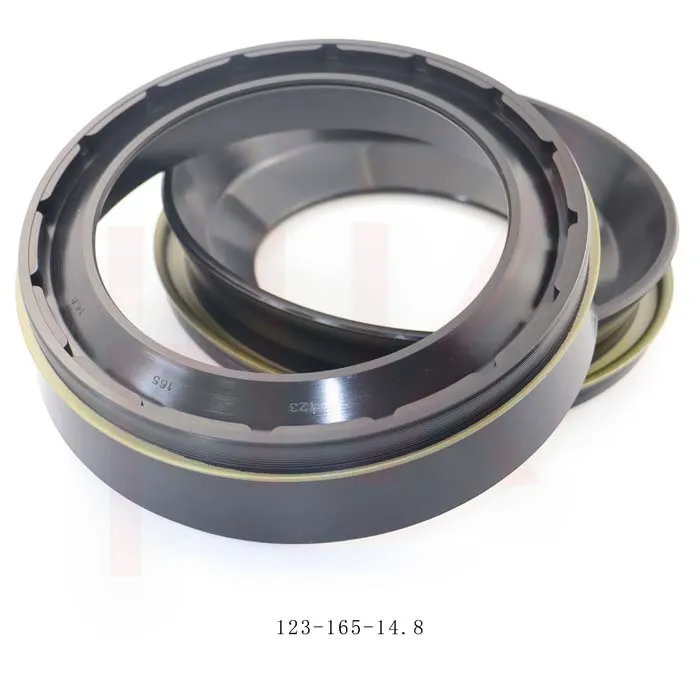
123*165*14.8 concrete mixer truck reducer oil seal
-
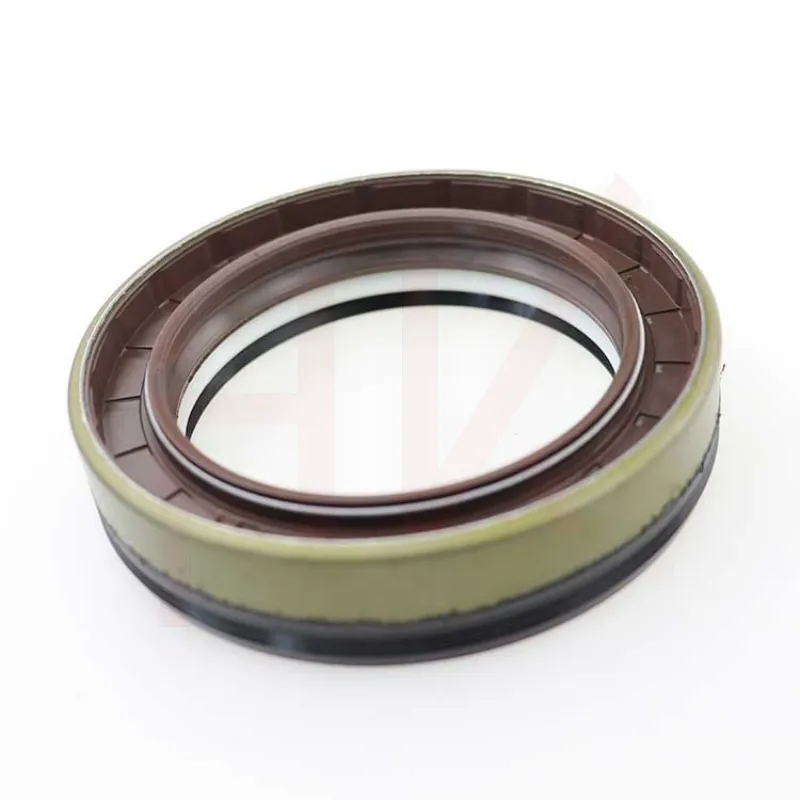
Tractor shaft oil seal 65-90-20 COMBI SF19 hub oil seal
-
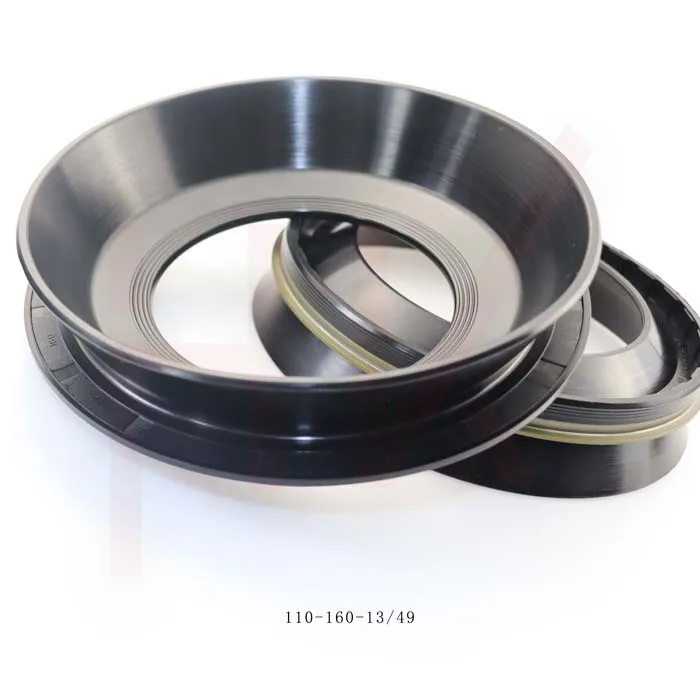
110*160*13/49 NBR reducerConcrete mixer truck oil seal
-
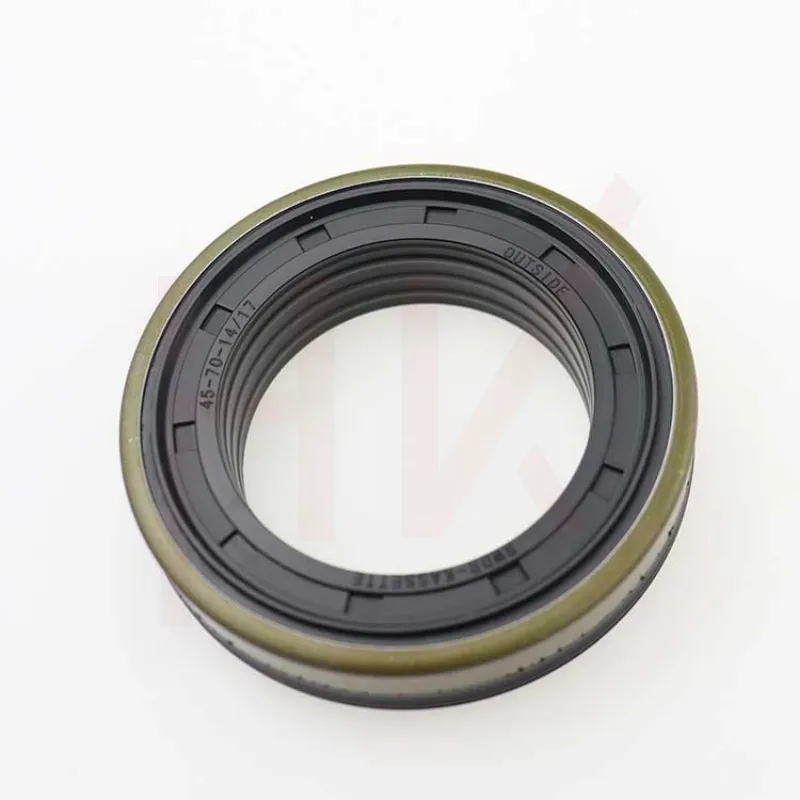
Hub oil seal 40*65*13/14.5 suitable for tractor Cat 12018035b
-
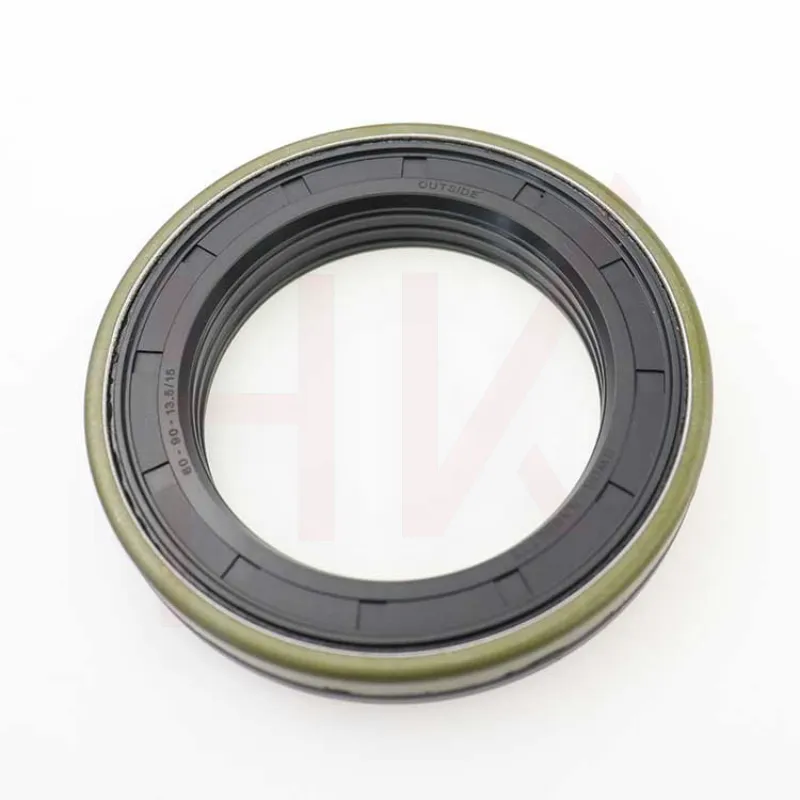
Tractor accessories cassette oil seal hub oil seal 60-90-13.5/15
-
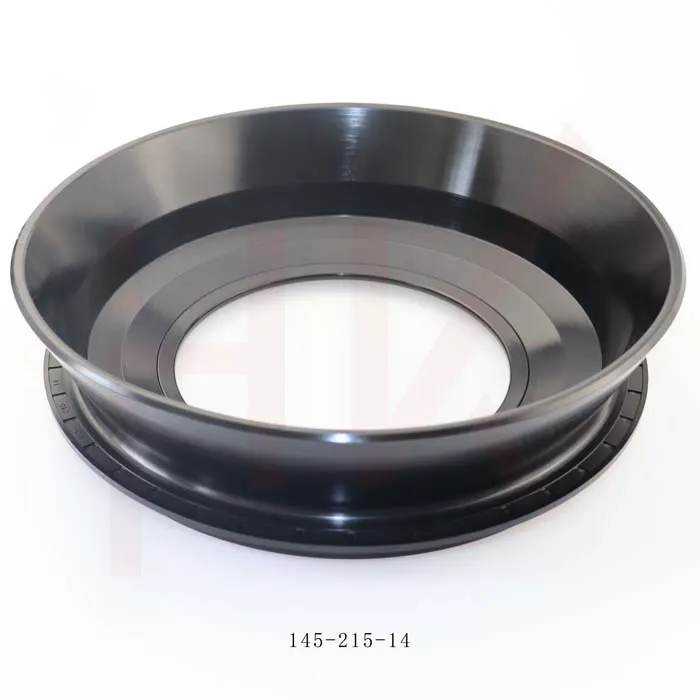
Factory concrete mixer truck oil seal 145*215*14 reducer gearbox oil seal
-
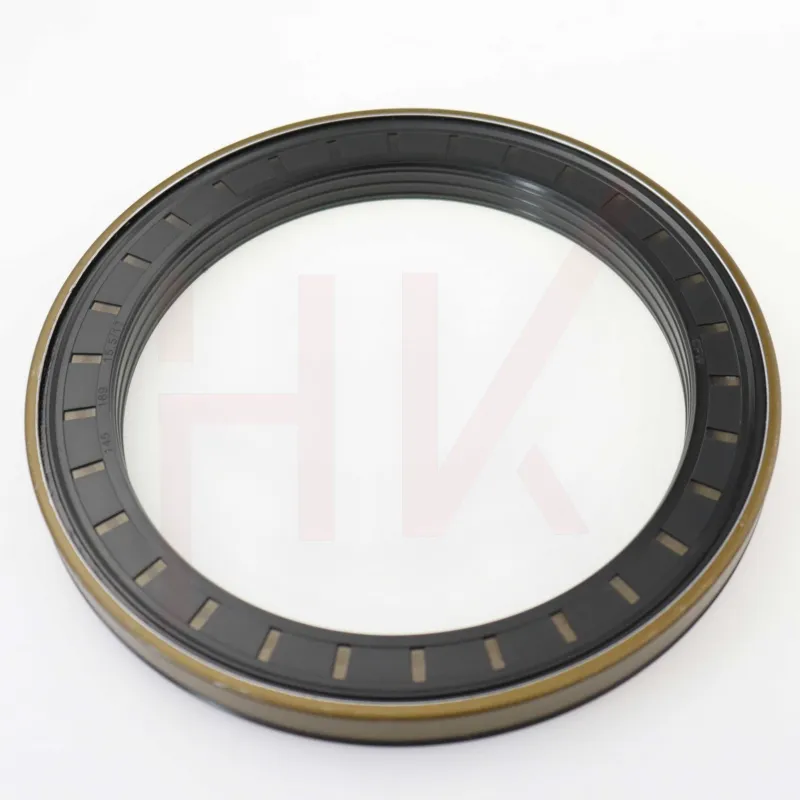
145*189*15.5/17 Cassette Seal NBR Hub Oil Seal 1508044
-
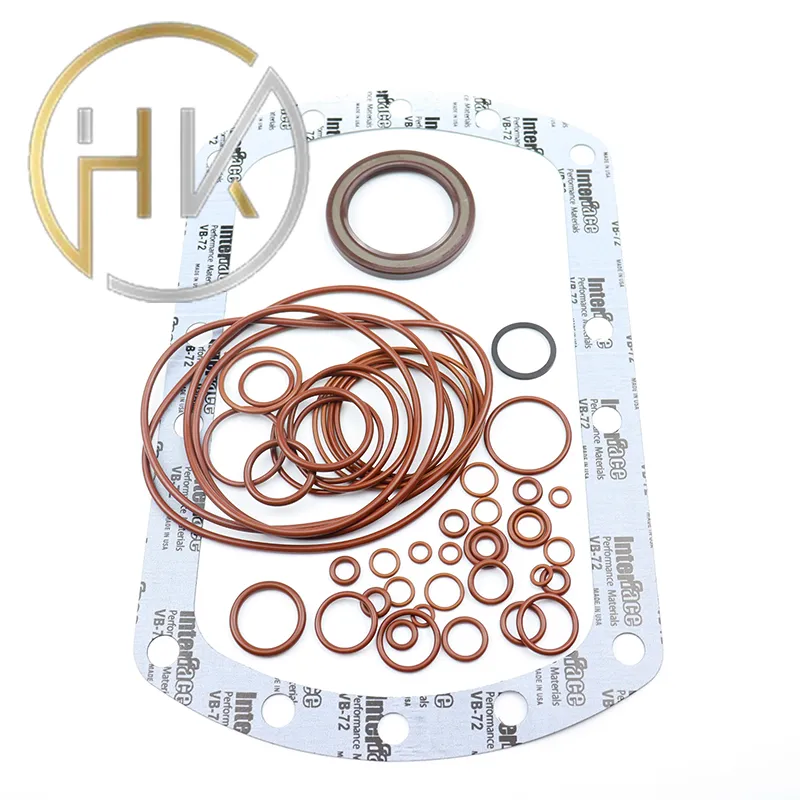
Factory direct sales hydraulic pump motor seal kit A8VO140
-
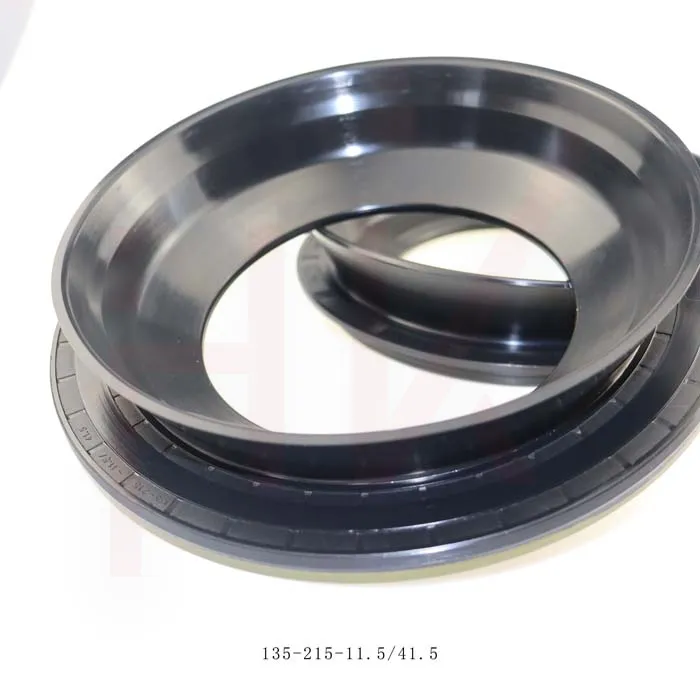
Brand new cement tanker oil seal 135*215*11.5/41.5 concrete mixer oil seal
-
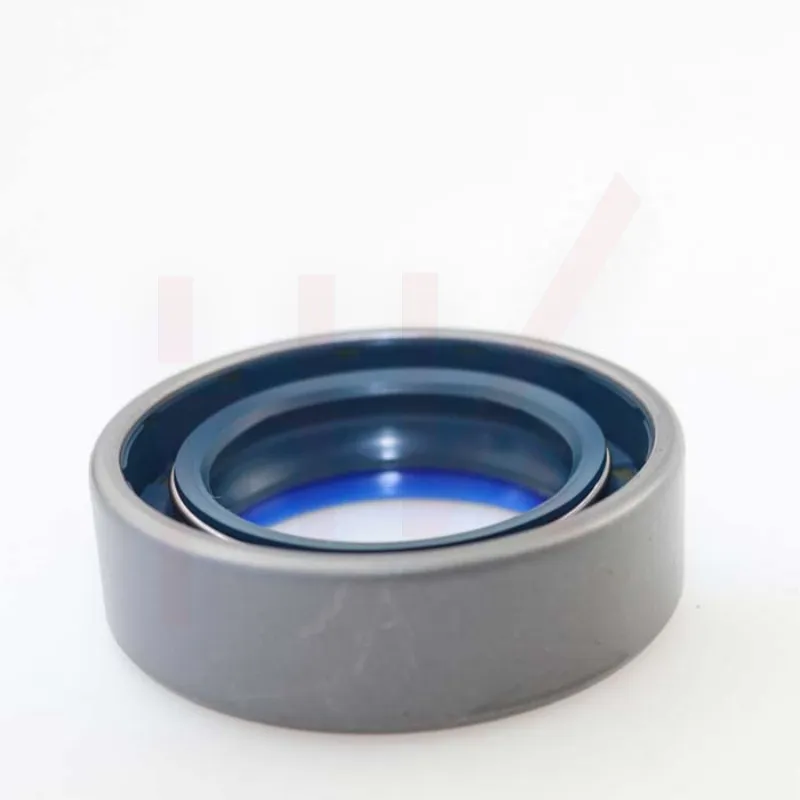
45*65*15 Combi oil seal JCB 90450009 COMBI SF1 SEAL
-
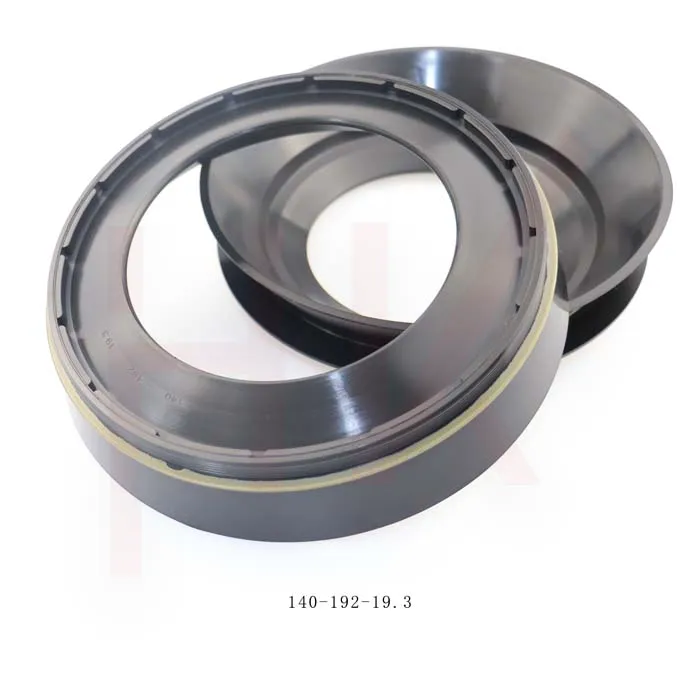
Gear box concrete mixer oil seal 140*192*19.3 nbr reducer oil seal
-
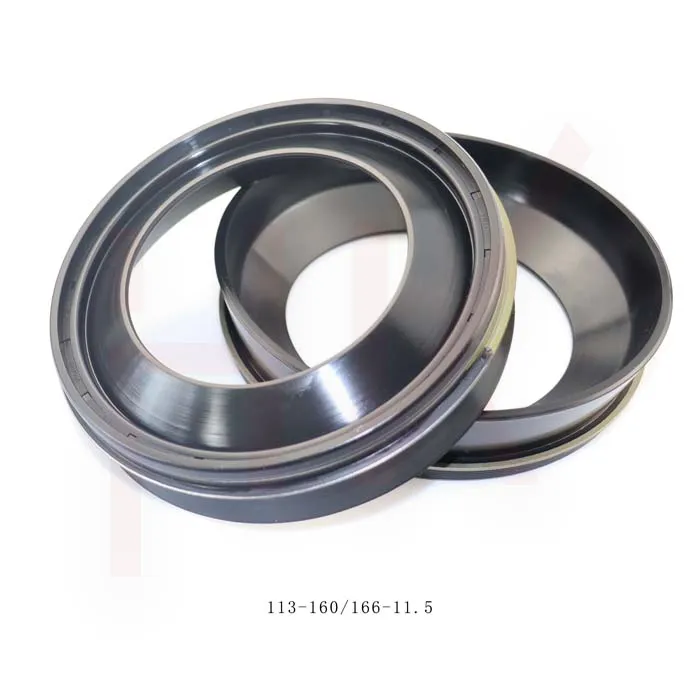
Seals factory direct sales 113*160/166*11.5/38 excavator truck reducer oil seal