
Nov . 25, 2025 08:33 Back to list
Hub Bearing Seal – Durable, Efficient Sealing Solutions for Global Industry
Understanding Hub Bearing Seals: Why They Matter Worldwide
At first glance, a hub bearing seal might seem like a tiny, inconspicuous part tucked inside machinery or vehicles. But its role? Absolutely crucial. Think about the countless vehicles, industrial machines, and transportation equipment operating nonstop around the globe—each depends on the hub bearing seal to keep dirt, dust, moisture, and contaminants out while retaining lubricants inside the bearing assembly. Without them, the consequences can cascade quickly—from increased wear to unexpected failures, downtime, and ultimately costly replacements.
Understanding hub bearing seals isn’t just a technicality; it’s a key to improving efficiency, reducing maintenance costs, and extending equipment life across industries from automotive to heavy machinery and even humanitarian logistics. Globally, their importance is underscored by the growing demand for more durable, high-performance, and environmentally friendly seals that meet ever-rising standards.
So yeah, these seals really do matter, perhaps more than most people realize every day.
Why the Hub Bearing Seal Is a Global Industry Essential
Worldwide, the mechanical equipment and automotive sectors collectively contribute trillions to the global economy. According to the International Organization for Standardization (ISO), the demand for reliable sealing solutions like hub bearing seals has risen sharply over the past decade—reflecting the doubling of vehicle fleets in developing countries and growing mechanization in industries.
But here’s the core challenge: increased exposure to harsh environments, dust, and unpredictable weather conditions worldwide puts seals through the wringer. If seals fail prematurely, it leads to machine wear or vehicle breakdowns, affecting everything from supply chains to emergency services. Given this, the humble hub bearing seal addresses a very real global concern—enhancing reliability and durability amidst challenging conditions.
What Exactly Is a Hub Bearing Seal?
Simply put, a hub bearing seal is a specialized gasket-like component designed to protect the hub’s bearing assembly. It blocks contaminants—dirt, sand, water—and simultaneously keeps lubricants inside where they’re needed. It’s typically made of robust rubber or synthetic materials, sometimes reinforced with metal rings to hold shape and ensure a tight fit.
This is vital in modern industries relying on precision rotation systems. Think cars, trucks, heavy machinery, railcars, or even electric bikes. Every rotation needs to be smooth, friction low, and components shielded from outside harm. Without good seals, bearings degrade quickly, causing performance drops and expensive failures. Oddly enough, this small part underpins the safety and efficiency of so many machines—and indirectly, the lives of millions.
Key Factors That Make Hub Bearing Seals Work Well
Durability Under Extreme Conditions
Hub bearing seals must endure everything from freezing winters to scorching deserts without cracking or losing elasticity. Materials like nitrile rubber, silicone, or even PTFE are selected for their resistance to temperature fluctuations and aging. Longevity here means fewer replacements and less downtime—super critical for industries like mining or agriculture.
Resistance to Contaminants
Dust, salt spray, mud, chemicals—hub bearing seals face it all. Their efficacy depends on the precision of their lips, ridges, and the fit. High-quality sealing means contaminants never reach the bearings, preventing corrosion and wear.
Low Friction Design
While sealing tight, these components must not create excess resistance. Low friction helps maintain energy efficiency, reduces heat generation, and ultimately prolongs the entire system’s life. Many engineers say this balance is what separates a good seal from an average one.
Cost Efficiency and Scalability
Production techniques like compression molding and automated assembly lines allow hubs seals to be produced affordably even at large volumes. This scalability supports global supply demands, especially for automotive manufacturers churn out millions of vehicles worldwide.
Environmental Sustainability
Newer materials are designed for eco-friendly disposal or recycling. Manufacturers now emphasize reducing hazardous substances and using bio-based rubbers—bringing the humble hub bearing seal into the green innovation space.
Summary:
- Long-lasting materials withstand harsh environments.
- Contaminant protection prevents premature bearing failure.
- Low friction improves performance and reduces heat.
- Cost-effective production supports mass markets.
- Eco-conscious materials underline future trends.
Worldwide Applications of Hub Bearing Seals
Globally, hub bearing seals travel the spectrum—from automotive assembly lines in Germany to off-road mining trucks in Australia, and even the rugged rail systems of the Indian subcontinent.
In rapidly developing regions of Asia and Africa, maintaining vehicles for transportation and agricultural mechanization depends heavily on durable seals that can resist dusty and muddy conditions. NGOs running logistics fleets in remote areas often choose heavy-duty seals for reliable vehicle uptime.
Meanwhile, in Europe and North America, sealed bearing hubs find their place in increasingly electrified vehicles, where the close tolerance and perfect seals boost efficiency for electric motors.
Examples in Action:
- Post-disaster relief operations: Vehicles equipped with quality hub bearing seals can operate longer without breakdowns in rugged terrain and harsh weather.
- Remote industrial zones: Mining equipment uses heavy-duty seals that resist dust ingress, safeguarding expensive bearings from failure.
- Public transit fleets: Urban buses and trains apply premium seals to reduce maintenance downtime for smoother city operations.
The Tangible Benefits and Long-Term Value of Hub Bearing Seals
Frankly, the advantages go beyond just protecting bearings; they ripple outward:
- Cost savings: Fewer repairs and replacements mean lower operating expenses.
- Sustainability: Longer equipment life means fewer disposed components, helping reduce environmental impact.
- Reliability and trust: Operators feel confident when vehicles or machines perform consistently—especially in critical industries.
- Safety: Proper seals reduce unexpected breakdowns that could lead to accidents.
- Innovation: Trends in materials and design continuously push seals toward better performance.
Specifications of a Typical High-Performance Hub Bearing Seal
| Specification | Details |
|---|---|
| Material | Nitrile rubber with stainless steel reinforcement |
| Operating Temperature | -40 °C to +120 °C |
| Shaft Diameter Range | 20 mm – 100 mm (custom sizes available) |
| Friction Coefficient | ≤ 0.05 |
| Lifespan (Estimated) | 5-7 years under normal operating conditions |
| Resistance | Salt spray, dust intrusion, oil, grease |
Comparing Leading Hub Bearing Seal Vendors
Choosing the right vendor can feel overwhelming. Here’s a quick look at three prominent suppliers to simplify your decision:
| Vendor | Strengths | Price Range | Delivery Time |
|---|---|---|---|
| H.Kai Seal Co. | Custom designs, eco-friendly materials, global exports | $$ | 2-4 weeks |
| Global Seals Ltd. | Wide product range, fast production, strong R&D | $$$ | 1-3 weeks |
| Precision Sealings Inc. | High-precision seals, premium automotive focus | $$$$ | 3-5 weeks |
What’s Next? Innovations and Emerging Trends
Material science keeps pushing the bar with bio-based rubbers and better synthetic compounds increasing durability and lowering ecological footprints. Frankly, it feels like we’re getting closer to seals that last a lifetime.
Automation and digital IoT integration are also on the horizon—imagine seals embedded with sensors that monitor wear and lubricant status in real time, feeding data directly to vehicle diagnostics. This goes beyond basic maintenance and hints at predictive intervention before failures even happen.
Also, the green energy push means seals designed for hybrid and electric vehicles must adapt to new torque patterns and vibration frequencies. Not to mention that regulatory standards—like those from ISO—are growing stricter, demanding better environmental safety and reliability certifications.
Common Questions About Hub Bearing Seals
Q1: How often should I replace a hub bearing seal?
The lifespan varies by usage and environment but typically ranges from 5 to 7 years under normal conditions. If you notice lubricant leaks, unusual noises, or rough wheel rotation, it might be time for a seal inspection or replacement.
Q2: What materials are best for hub bearing seals in extreme climates?
Nitrile rubber is popular for most conditions, but silicone or fluorocarbon-based seals better withstand extreme temperatures—from frigid cold to intense heat. Your choice depends largely on operating environment specifics.
Q3: Can hub bearing seals be customized for non-standard machinery?
Absolutely. Vendors like H.Kai Seal offer custom molding services that tailor seals to unique shaft sizes or performance needs. This is especially useful for specialized industrial machines.
Q4: How do hub bearing seals contribute to sustainability?
By preventing premature bearing failure and extending equipment life, high-quality seals reduce waste and resource consumption. Additionally, many manufacturers now use recyclable or bio-based materials to lessen environmental impact.
Q5: Are hub bearing seals compatible with electric vehicles?
Yes. As EVs have specific torque and vibration profiles, seals designed for them focus on lower friction and enhanced durability to match these requirements—ensuring smooth performance and longer maintenance intervals.
In Closing: Why Hub Bearing Seals Are More Than Just Small Parts
In the grand mosaic of industrial machinery and transportation, the hub bearing seal might be easily overlooked—but only until it fails. Its long-term value lies in keeping machines moving efficiently, safely, and sustainably across every continent. From the dusty roads of remote mining camps to the high-tech EV factories of tomorrow, the seal is quietly pivotal.
If you want to explore more on how to optimize your machinery with premium-quality hub bearing seals, visit our website and see how modern sealing solutions can keep your operations running smoother, longer.
References & Further Reading
-
Guide to Choosing the Right High Quality hydraulic ram kit
NewsApr.16,2026
-
Premium Hydraulic Cylinder Packing Kits for Peak Performance
NewsApr.09,2026
-
Comprehensive Guide to Hydraulic Cylinder Oil Seal Kits for Optimal Performance
NewsApr.07,2026
-
Comprehensive Guide to Choosing the Right Cylinder Seal Kits for Peak Performance
NewsApr.04,2026
-
Comprehensive Guide to Seal Kits for Cylinders Ensuring Optimal Performance
NewsMar.31,2026
-
Comprehensive Guide to Hyd Cylinder Seals for Optimal Hydraulic System Performance
NewsMar.28,2026
-
Comprehensive Guide to Hyd Cylinder Seal Kit Selection and Installation
NewsMar.26,2026
Products categories
-
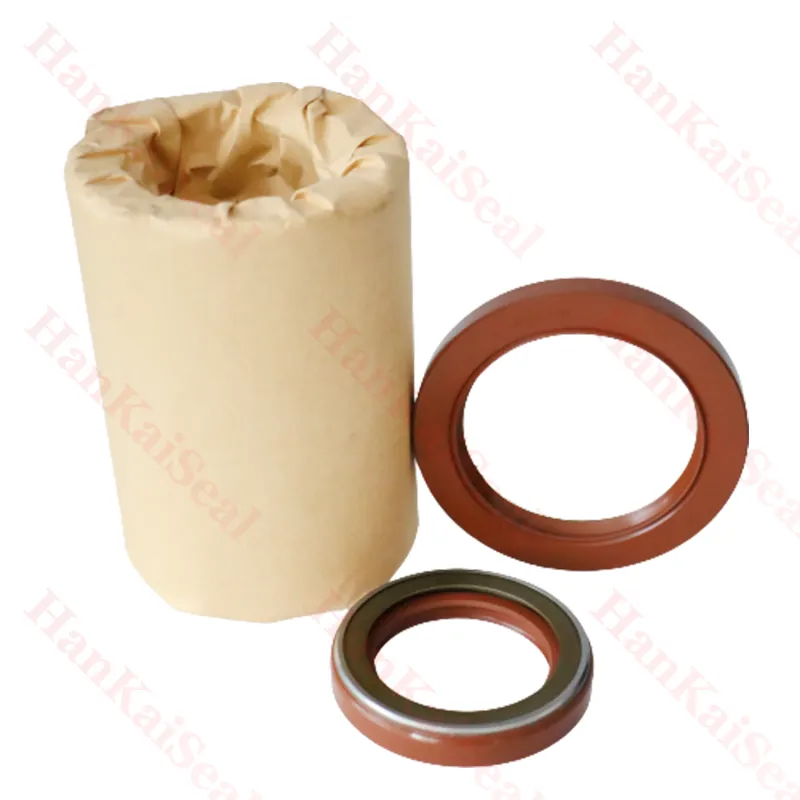
Standard oil seal BP0494 High pressure TCN oil seal
-
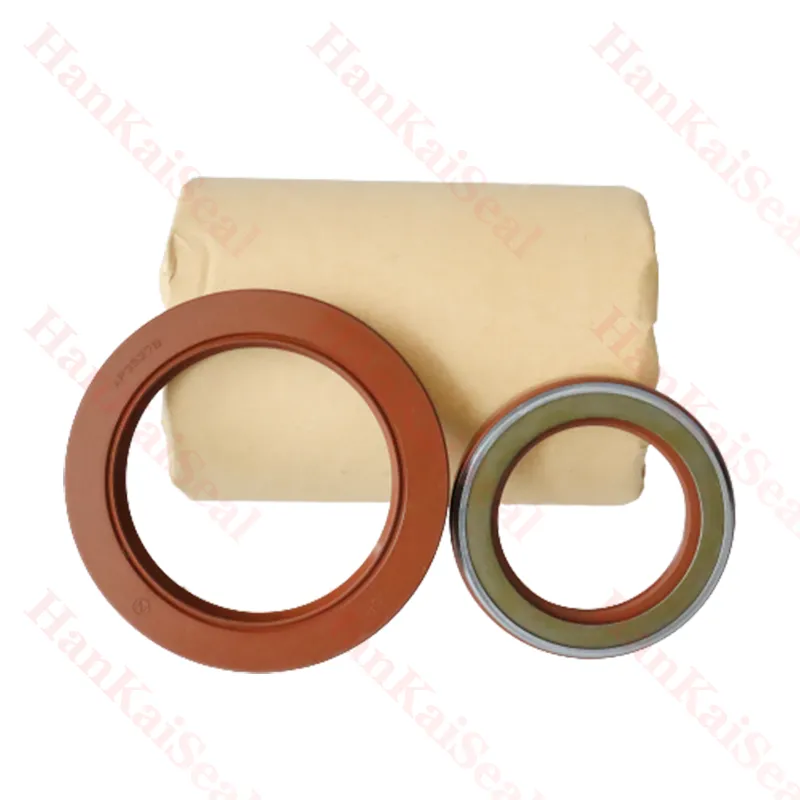
Hydraulic pump seal AP4624G high pressure TCN oil seal
-
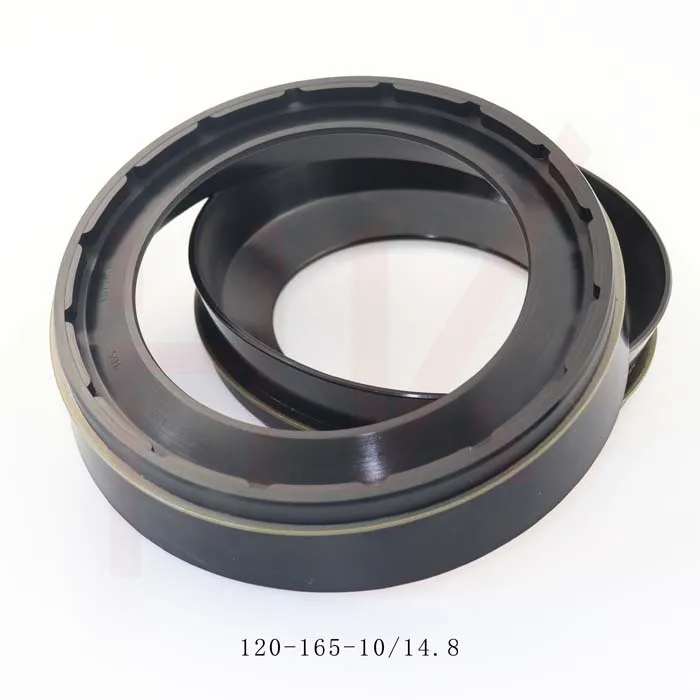
0734307418 0750112169 120*165*10/14.8 concrete mixer reducer oil seal
-
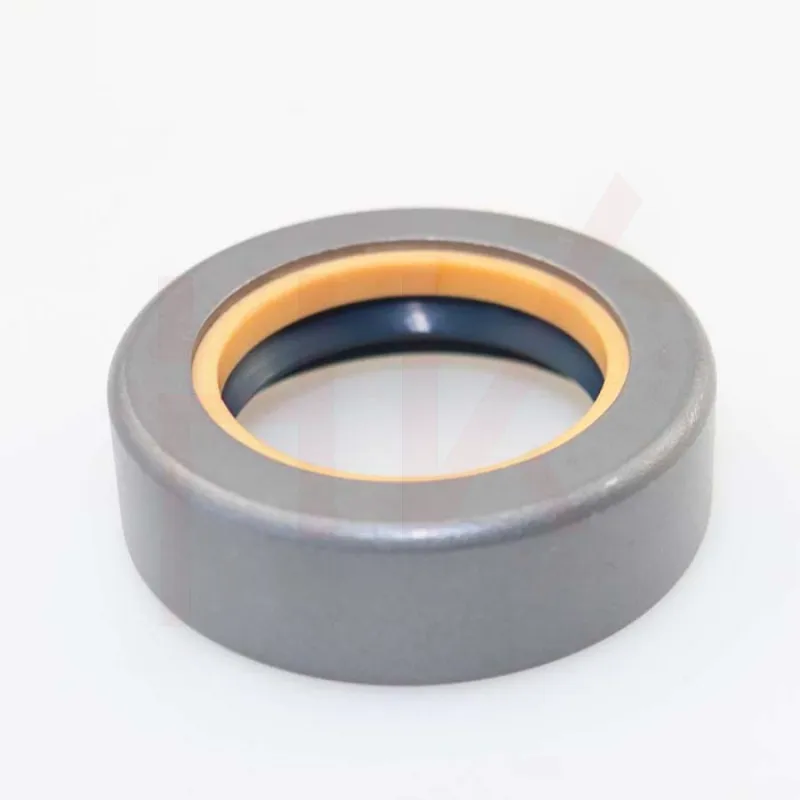
35*52*16 Standard Wheel Hub Oil Seal For Agricultural Machinery
-
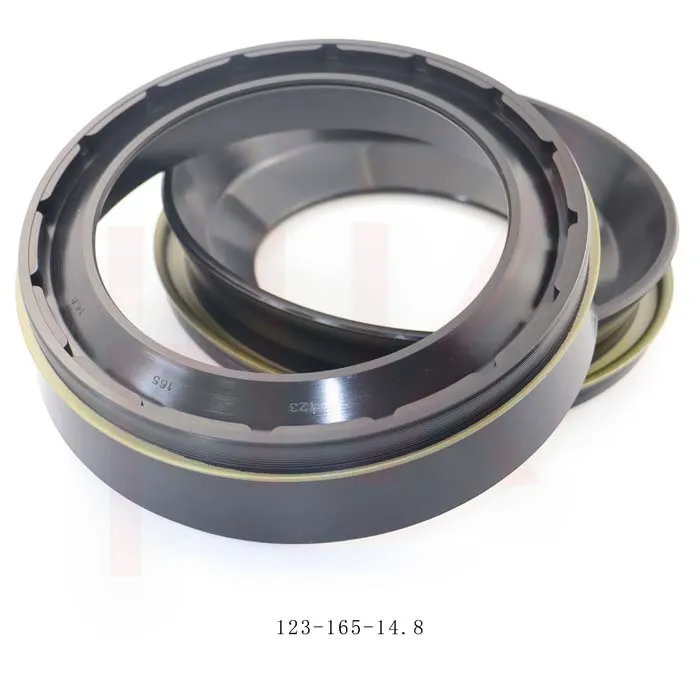
123*165*14.8 concrete mixer truck reducer oil seal
-
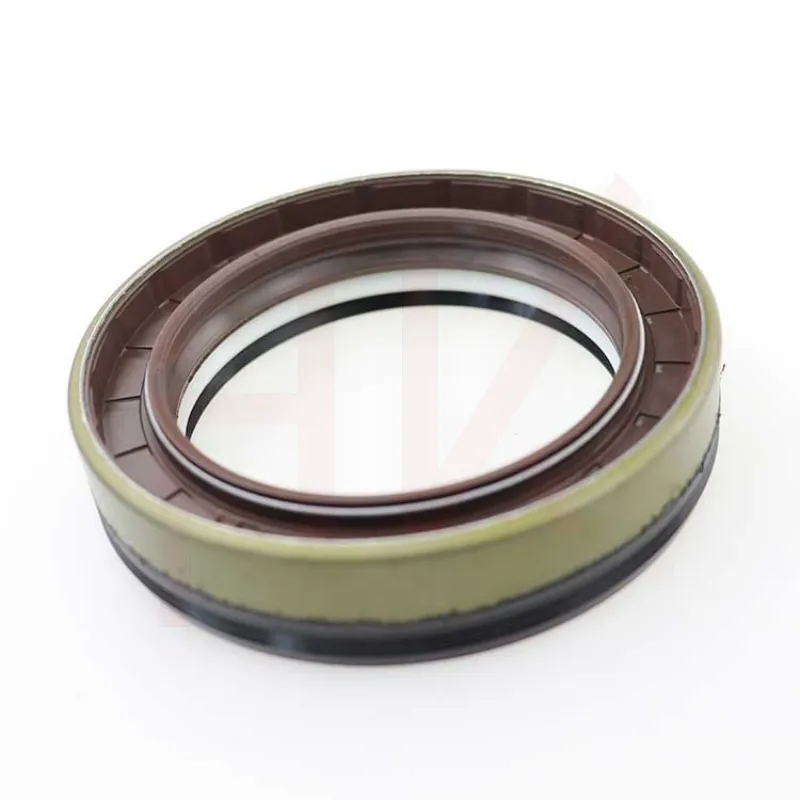
Tractor shaft oil seal 65-90-20 COMBI SF19 hub oil seal
-
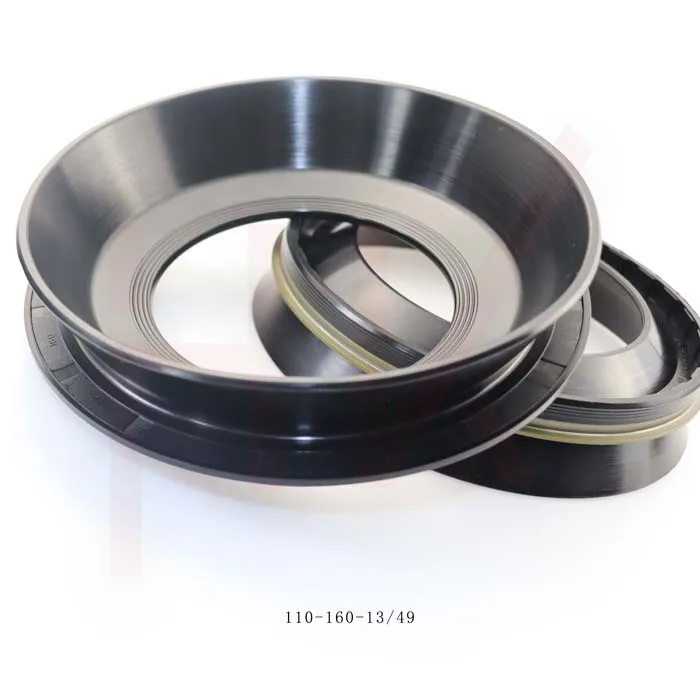
110*160*13/49 NBR reducerConcrete mixer truck oil seal
-
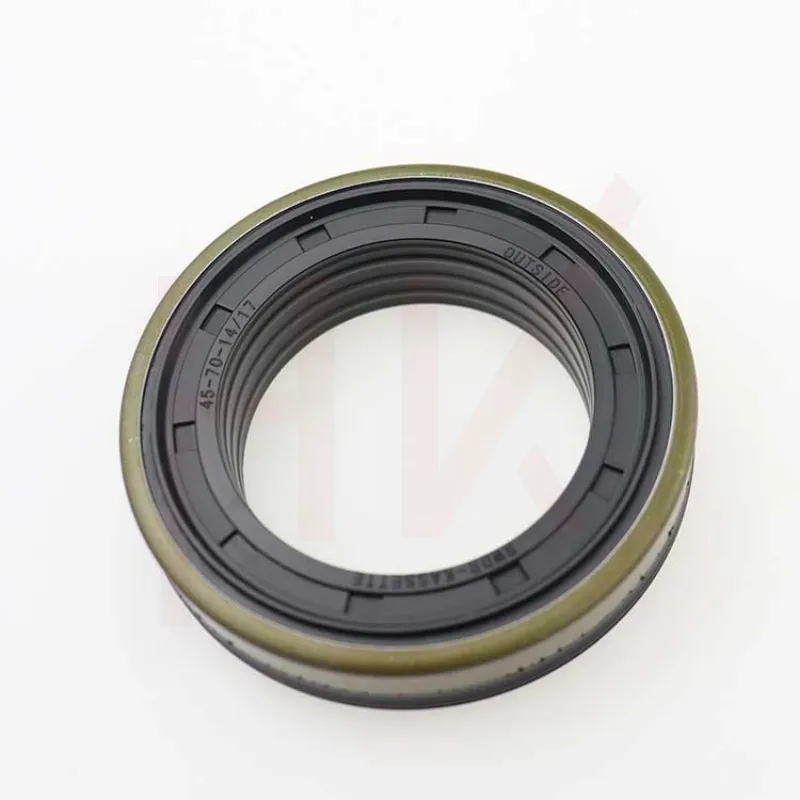
Hub oil seal 40*65*13/14.5 suitable for tractor Cat 12018035b
-
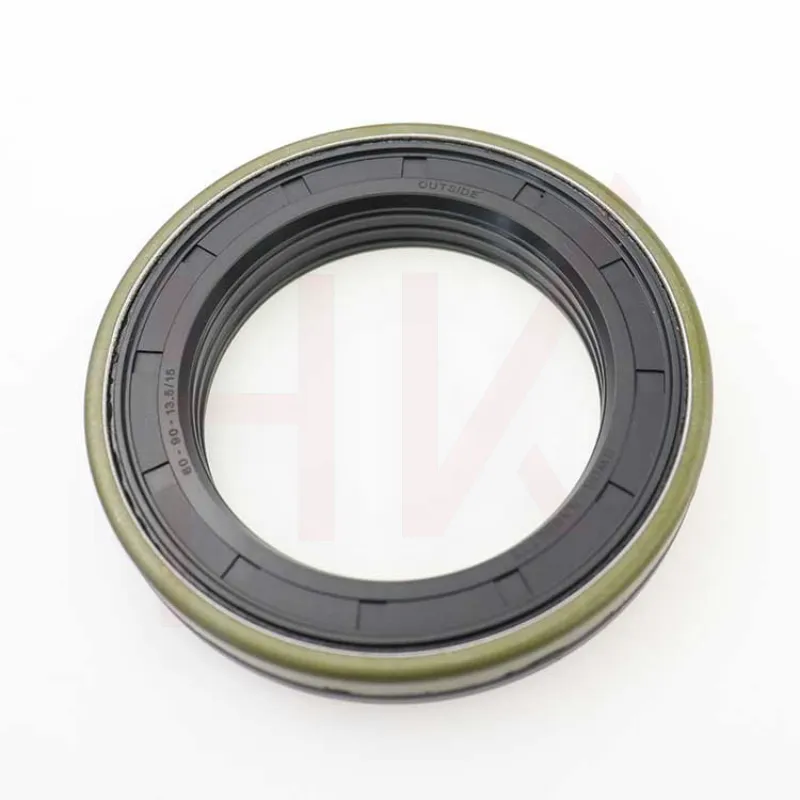
Tractor accessories cassette oil seal hub oil seal 60-90-13.5/15
-
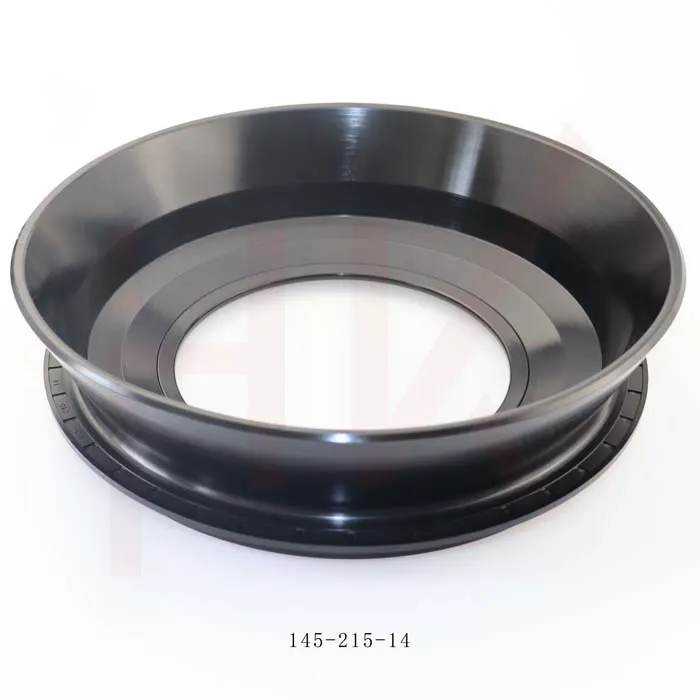
Factory concrete mixer truck oil seal 145*215*14 reducer gearbox oil seal
-
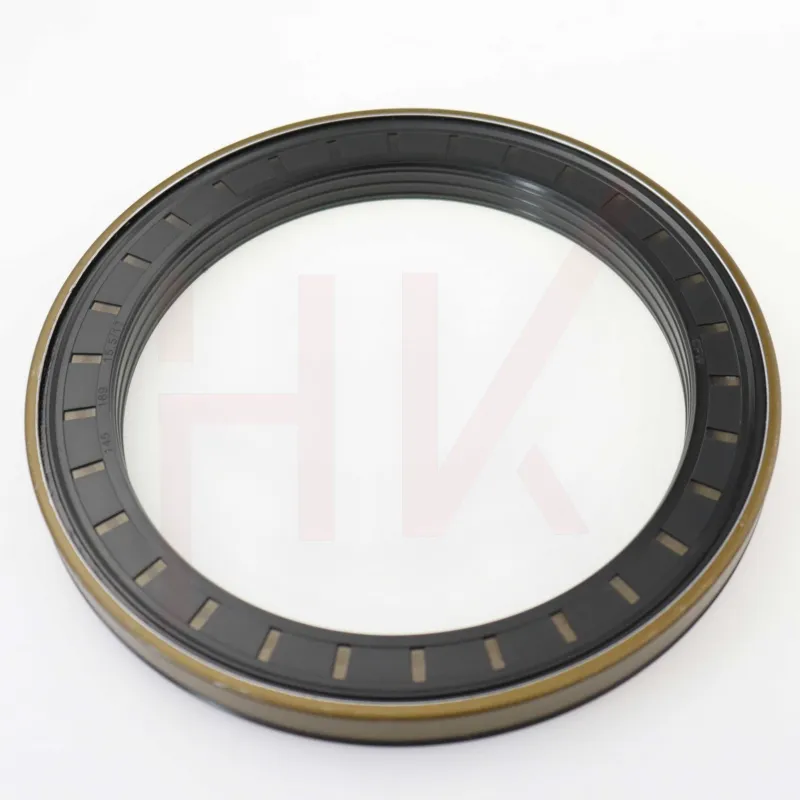
145*189*15.5/17 Cassette Seal NBR Hub Oil Seal 1508044
-
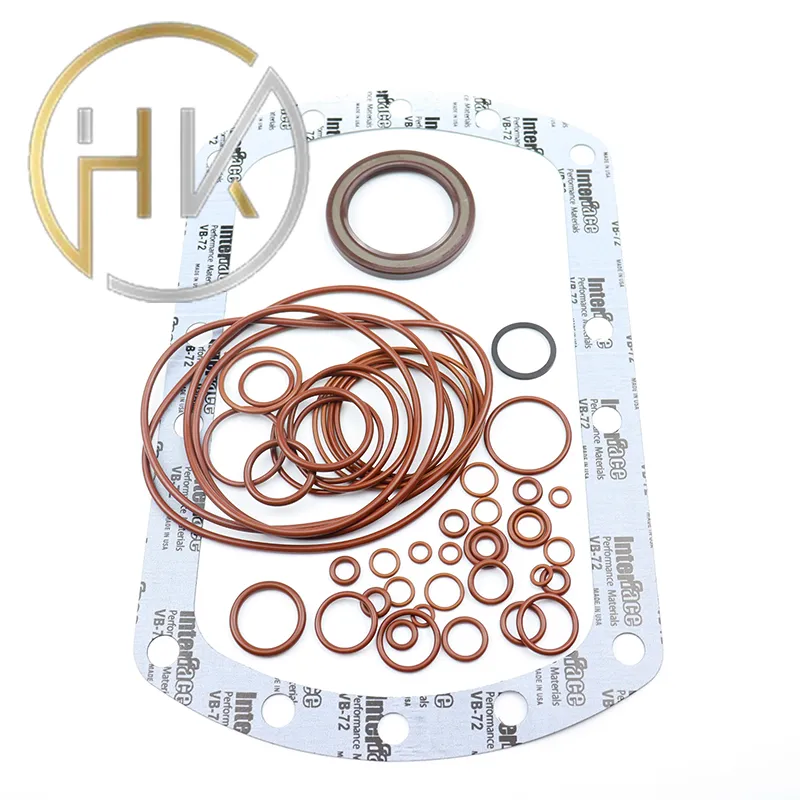
Factory direct sales hydraulic pump motor seal kit A8VO140
-
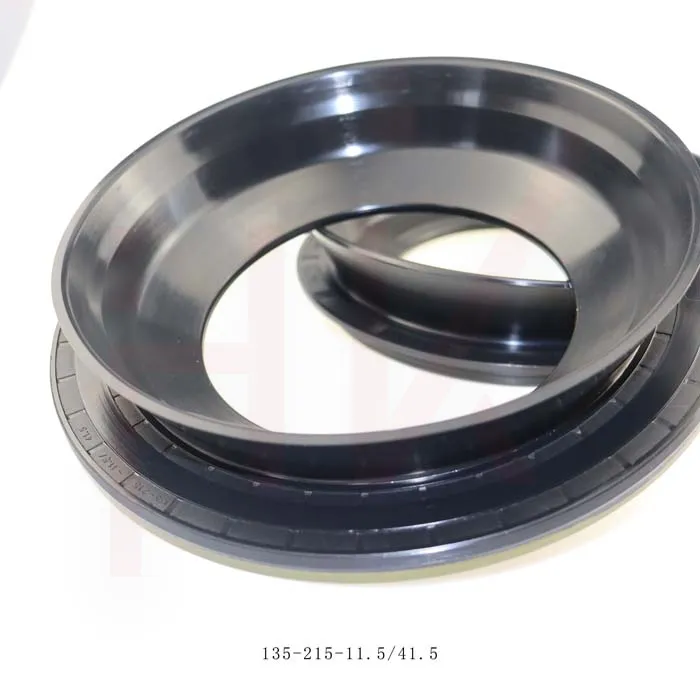
Brand new cement tanker oil seal 135*215*11.5/41.5 concrete mixer oil seal
-
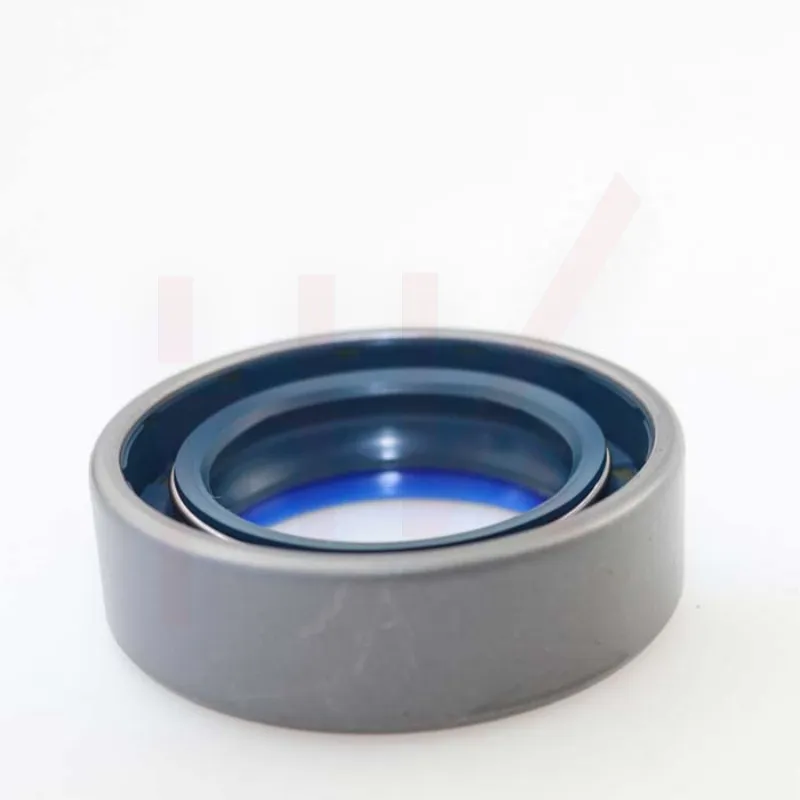
45*65*15 Combi oil seal JCB 90450009 COMBI SF1 SEAL
-
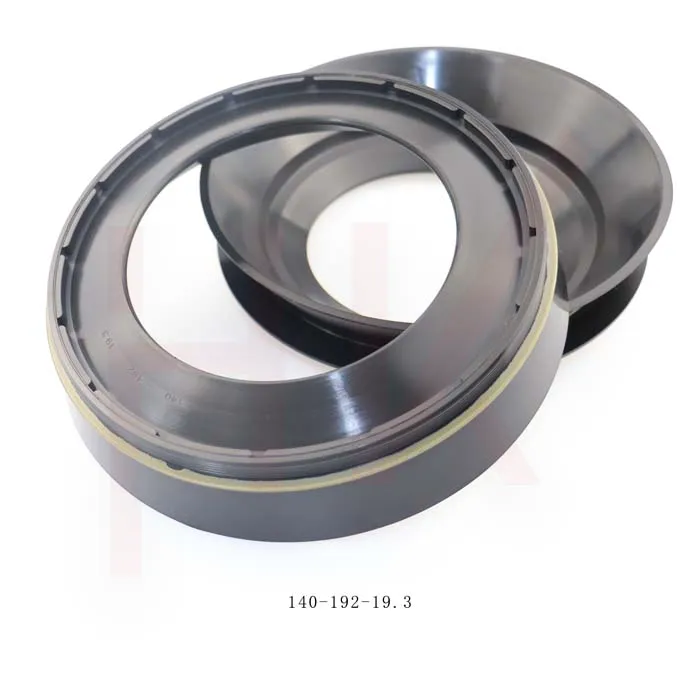
Gear box concrete mixer oil seal 140*192*19.3 nbr reducer oil seal
-
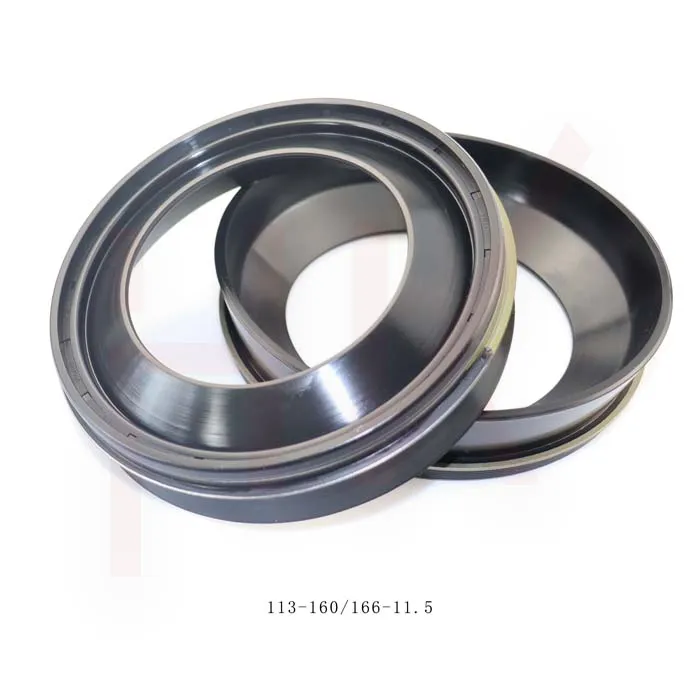
Seals factory direct sales 113*160/166*11.5/38 excavator truck reducer oil seal