
Dec . 15, 2025 09:45 Back to list
What is an Oil Seal? Essential Guide to Applications, Benefits & Future Trends
Understanding Oil Seals: Why They Matter Globally and Their Key Benefits
In a world increasingly reliant on machinery — from automobile engines to industrial equipment — oil seals play a quietly crucial role. Essentially, these components prevent oil leakage, dust entry, and contamination in many mechanical systems, enabling them to operate smoothly and longer. Globally, efficient oil sealing helps industries reduce downtime and environmental risks, which benefits economies and communities alike. Understanding oil seals isn’t just for engineers; it’s for anyone curious about how we keep the gears of modern life running reliably.
Introduction: The Global Context of Oil Seals
Oddly enough, something as small as an oil seal can have a disproportionately large impact on global industries. According to the ISO, mechanical seals and oil sealing components are integral in reducing energy waste and improving equipment lifespan. As machines age or fail, not only do repair costs increase but also downtime and risks of contamination rise dramatically — this can ripple across manufacturing plants, transportation sectors, and even humanitarian equipment like water purification systems. With global machinery markets projected to grow steadily, the demand for reliable sealing solutions keeps climbing, reflecting oil seals’ quiet yet global relevance.
What Exactly is an Oil Seal?
Simply put, an oil seal is a flexible ring typically made from materials like rubber, silicone, or PTFE, designed to keep lubricants in and dirt out of mechanical assemblies. Its main job is preventing leaks around rotating shafts or in other types of moving joints. If you imagine a car engine, the oil seal ensures the engine oil stays where it should — not spilling out and not letting harmful dust or moisture creep inside. This is critical because clean lubrication maintains efficiency and protects components from wear and tear. Without effective oil seals, machines would break down faster, costing industries billions worldwide.
Core Components & Key Factors of Oil Seals
Material Durability
The choice of material is paramount. Oil seals often need to tolerate heat, pressure, and various chemicals. Nitrile rubber (NBR) is commonly used for its oil resistance, while Viton offers superior temperature and chemical resistance. Oddly enough, some new seals even incorporate graphene or PTFE to push durability further, especially in harsh environments.
Design and Fit
A seal must fit perfectly. Too loose, and leaks happen; too tight, and sealing surfaces wear prematurely. Designers use precise tolerances and lip designs to ensure a snug fit around shafts, accounting for speed and shaft misalignment.
Resistance to Contaminants
Besides stopping oil from escaping, seals also act as barriers to dust, dirt, and water. This dual action protects machine internals, especially in outdoor or industrial settings, where contaminants can cause catastrophic failures.
Cost Efficiency
While some specialized seals cost more upfront, their longer lifespan and reduced downtime costs make them a better investment — a fact many plant managers vouch for.
Customization & Scalability
From small automotive parts to massive industrial seals, customization allows oil seals to match various applications — a key factor for sectors ranging from aerospace to agriculture.
Global Applications & Real-World Use Cases
Oil seals are everywhere, literally under the hood (or skin) of countless machines:
- In automotive manufacturing — to secure engines, transmissions, and wheel bearings.
- In heavy industry — protecting turbines, pumps, and compressors that keep power plants and refineries operational.
- In agriculture — ensuring the reliability of tractors and irrigation systems in regions like India and Sub-Saharan Africa.
- Humanitarian technology — for water pumps and generators used in disaster zones to maintain clean water supply and electricity.
For example, after the 2010 Haiti earthquake, humanitarian teams relied on robust oil seals in diesel generators to keep them functional under rugged conditions — a testament to how these small parts support large-scale relief efforts.
Advantages & Long-Term Value
Oil seals bring clear tangible benefits:
- Cost savings: Less leakage means fewer oil replacements, lower maintenance, and longer equipment life.
- Environmental protection: Preventing leaks reduces harmful soil and water contamination.
- Safety improvements: Reliable seals reduce risks of fire or breakdowns.
- Social impact: They help keep critical infrastructure—like pumps and vehicles—running, supporting communities and industries.
Logically, investing in quality oil seals is a matter of trust and innovation — it supports sustainability, reliability, and even dignity by powering livelihoods and healthcare.
Future Trends & Innovations in Oil Seals
The industry is buzzing with advancements. Some promising areas include:
- Eco-friendly materials: Biodegradable or recyclable seal compounds aiming for greener manufacturing.
- Smart oil seals: Embedded sensors that monitor seal health and predict failures before leaks occur.
- Advanced coatings: Nanotechnology coatings that reduce wear and friction dramatically.
- Automation compatibility: Oil seals designed for next-gen electric vehicles and automated manufacturing systems.
These innovations align well with global pushes for sustainability and digital transformation—a sort of silent revolution in mechanical sealing technology.
Challenges & Expert Solutions
Of course, not everything is perfect. Common issues include premature wear due to improper installation, material degradation in aggressive chemicals, and challenges sealing against dynamic shaft misalignment.
Experts recommend:
- Rigorous quality checks and regular maintenance schedules.
- Choosing materials tailored for specific operating environments.
- Utilizing precision machinery for installation to avoid damage.
- Considering hybrid designs combining rubber and metal components for extra strength.
Ultimately, knowledge and proper application are key to overcoming these hurdles.
Oil Seal Specifications Table
| Specification | Description |
|---|---|
| Material | Nitrile Rubber (NBR), Viton, Silicone, PTFE |
| Temperature Range | -40°C to +200°C (varies by material) |
| Pressure Resistance | Up to 0.5 MPa (typical) |
| Shaft Diameter Range | 1 mm to 500 mm+ |
| Applications | Automotive, Industrial Machinery, Agricultural Equipment |
Vendor Comparison Table
| Vendor | Material Variety | Customization | Environmental Certifications | Typical Industries Served |
|---|---|---|---|---|
| HKAI Seal | High (NBR, Viton, PTFE) | Full Custom | ISO 14001 Certified | Automotive, Industrial, Agriculture |
| GlobalSeal Co. | Medium | Standard Options | Pending | Industrial, Energy |
| SealMasters Inc. | High | Limited Custom | ISO 9001 Only | Automotive, Marine |
FAQ: Frequently Asked Questions About Oil Seals
- How long do oil seals typically last in industrial machinery?
- Life expectancy varies but good quality oil seals can last anywhere from 3 to 10 years depending on operating conditions like temperature, pressure, and maintenance. Regular inspections significantly extend seal life.
- Why do some oil seals fail prematurely?
- Common reasons include improper installation, using the wrong material for the application, exposure to incompatible chemicals, or shaft misalignment. Proper selection and professional installation are essential to avoid early failure.
- Are oil seals necessary for electric vehicles?
- Yes, electric vehicles still use various rotating shafts (like in cooling pumps or transmissions) that require sealing to prevent dust ingress and lubricant leaks, albeit with different specifications than combustion engines.
- Can oil seals be customized for extreme environments?
- Absolutely. Materials like Viton or advanced PTFE are designed specifically for extreme temperatures, chemical exposure, or abrasive environments, making customization key for reliability.
- Where can I buy high-quality oil seals?
- Reliable sources like HKAI Seal offer a wide range of products customizable to your needs, often supported by certifications ensuring quality and environmental compliance.
Conclusion & Call to Action
To sum up, oil seals are much more than simple mechanical parts; they’re vital guardians of machinery efficiency, safety, and environmental protection. Investing in the right oil seals means saving future repair costs, preventing environmental damage, and supporting the smooth operation of machines central to industry and everyday life. Curious to explore reliable sealing solutions tailored to your needs? Visit our trusted partner at HKAI Seal and discover how quality and innovation come together for your peace of mind.
In closing: Even the smallest components can carry immense global importance — oil seals especially so.
-
Guide to Choosing the Right High Quality hydraulic ram kit
NewsApr.16,2026
-
Premium Hydraulic Cylinder Packing Kits for Peak Performance
NewsApr.09,2026
-
Comprehensive Guide to Hydraulic Cylinder Oil Seal Kits for Optimal Performance
NewsApr.07,2026
-
Comprehensive Guide to Choosing the Right Cylinder Seal Kits for Peak Performance
NewsApr.04,2026
-
Comprehensive Guide to Seal Kits for Cylinders Ensuring Optimal Performance
NewsMar.31,2026
-
Comprehensive Guide to Hyd Cylinder Seals for Optimal Hydraulic System Performance
NewsMar.28,2026
-
Comprehensive Guide to Hyd Cylinder Seal Kit Selection and Installation
NewsMar.26,2026
Products categories
-
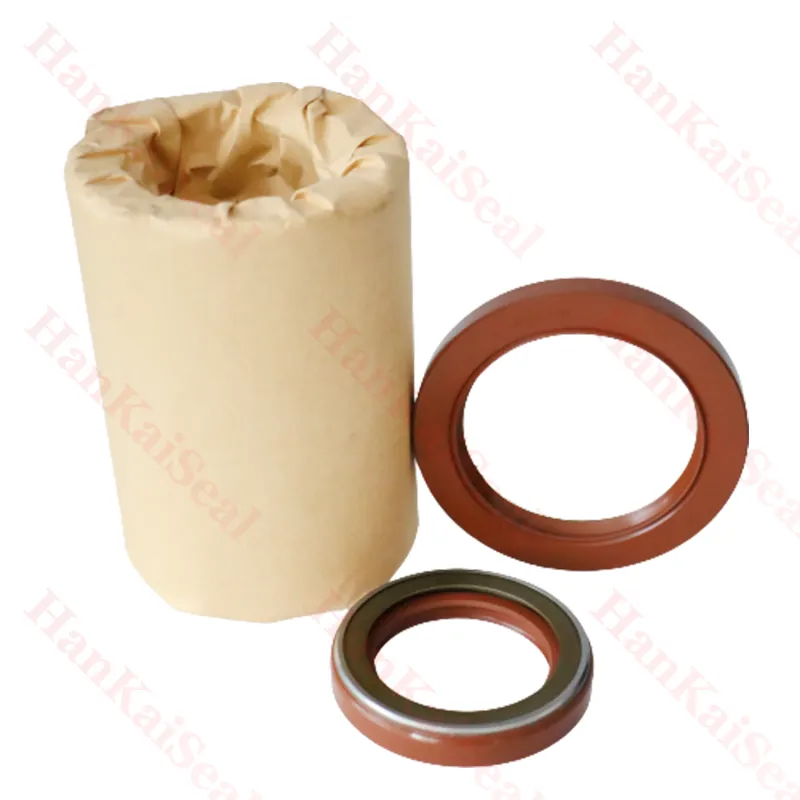
Standard oil seal BP0494 High pressure TCN oil seal
-
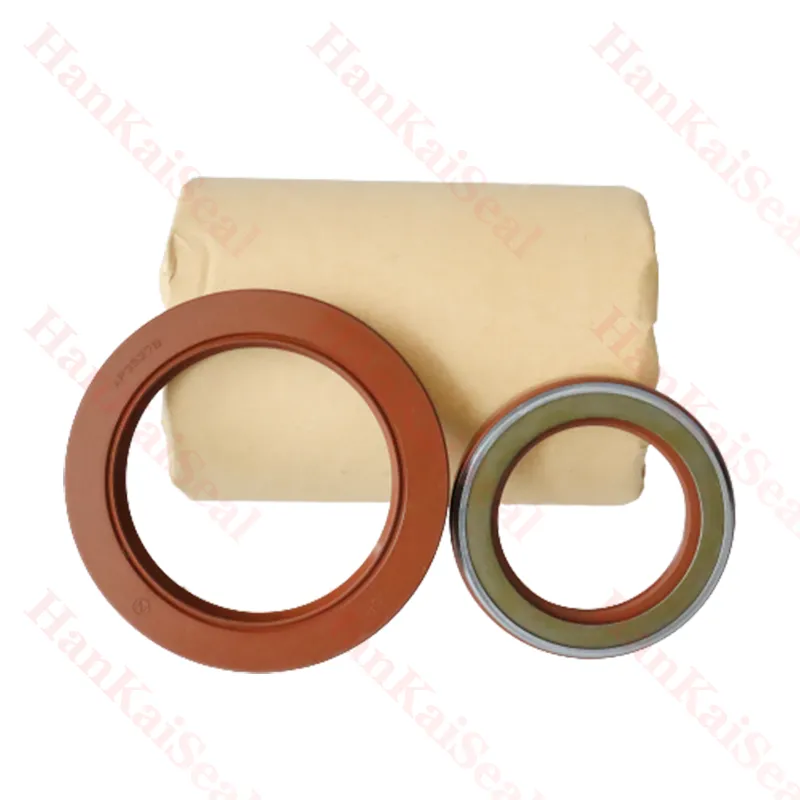
Hydraulic pump seal AP4624G high pressure TCN oil seal
-
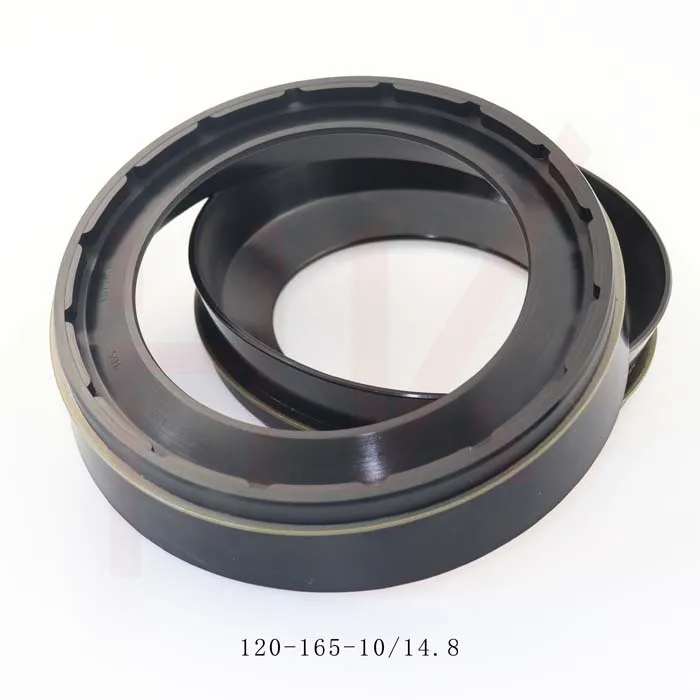
0734307418 0750112169 120*165*10/14.8 concrete mixer reducer oil seal
-
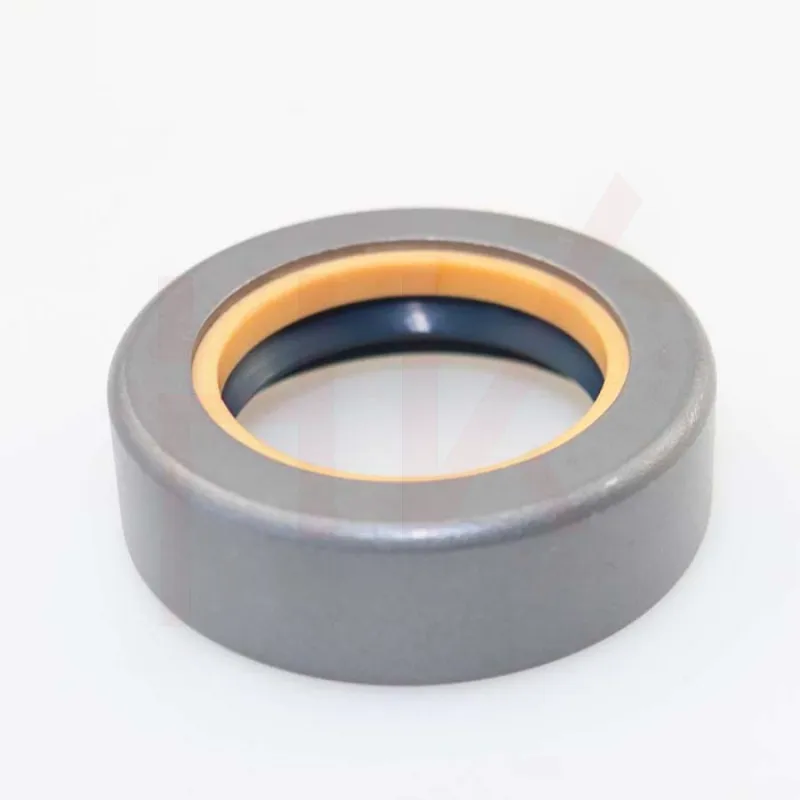
35*52*16 Standard Wheel Hub Oil Seal For Agricultural Machinery
-
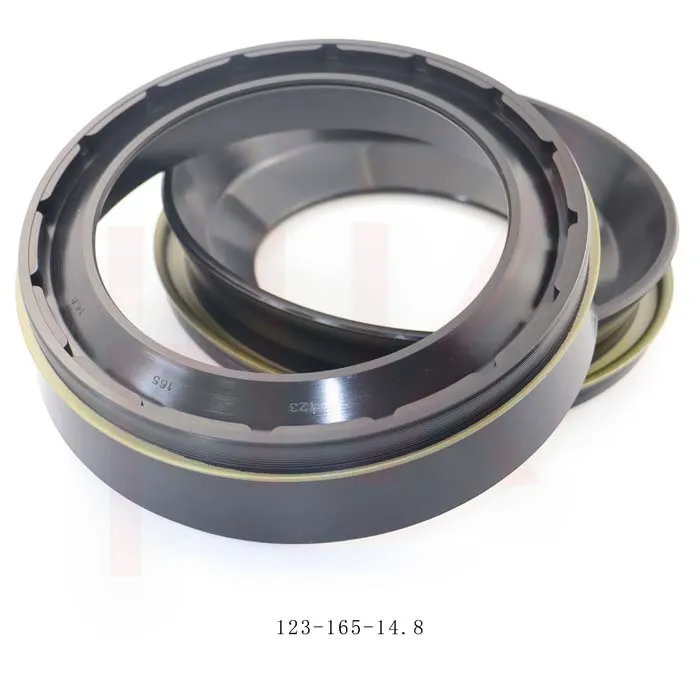
123*165*14.8 concrete mixer truck reducer oil seal
-
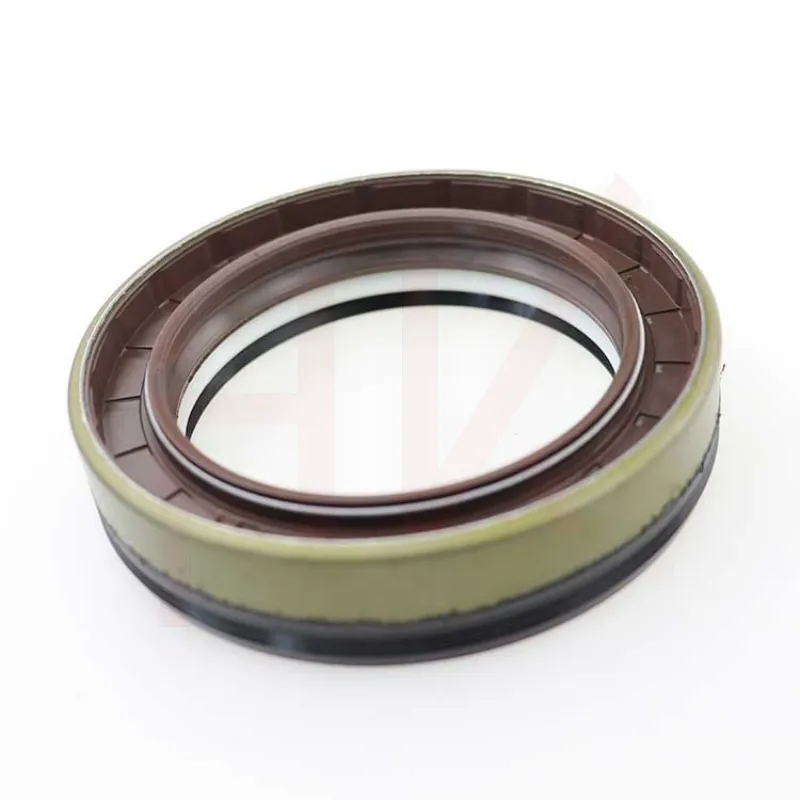
Tractor shaft oil seal 65-90-20 COMBI SF19 hub oil seal
-
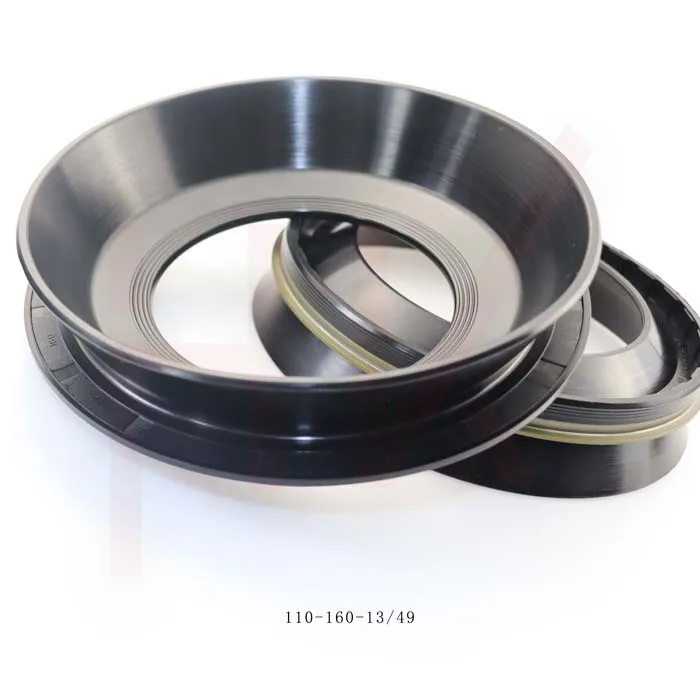
110*160*13/49 NBR reducerConcrete mixer truck oil seal
-
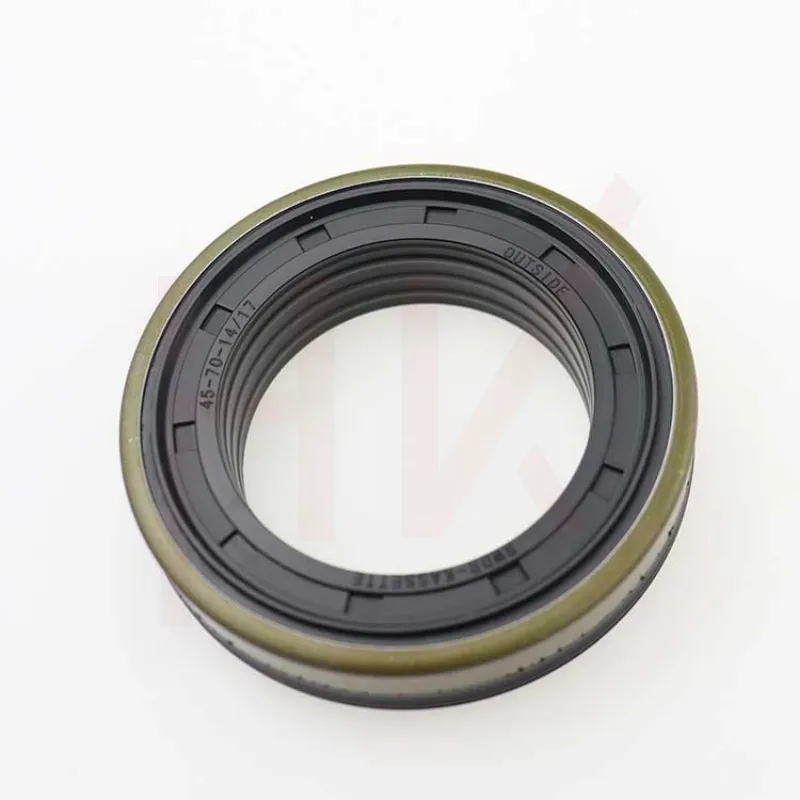
Hub oil seal 40*65*13/14.5 suitable for tractor Cat 12018035b
-
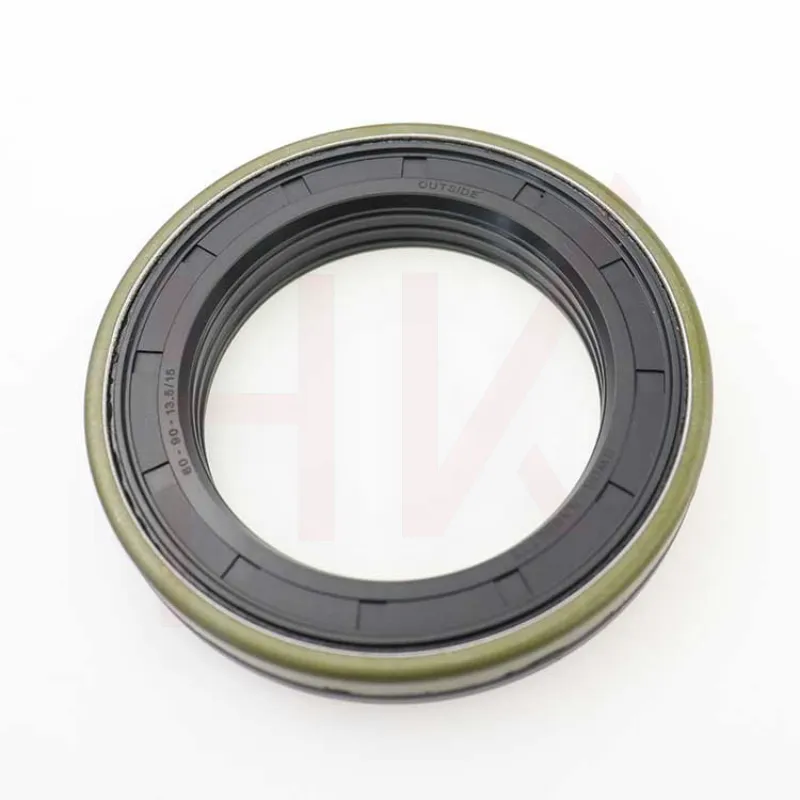
Tractor accessories cassette oil seal hub oil seal 60-90-13.5/15
-
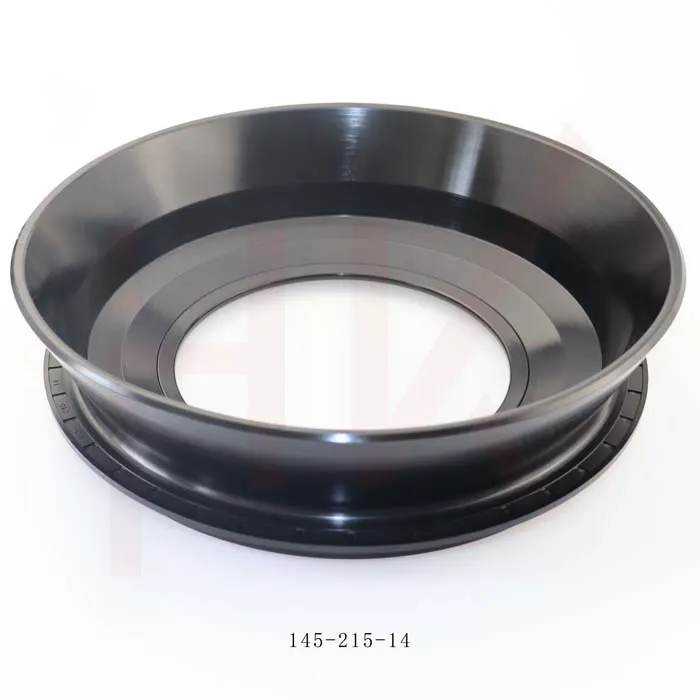
Factory concrete mixer truck oil seal 145*215*14 reducer gearbox oil seal
-
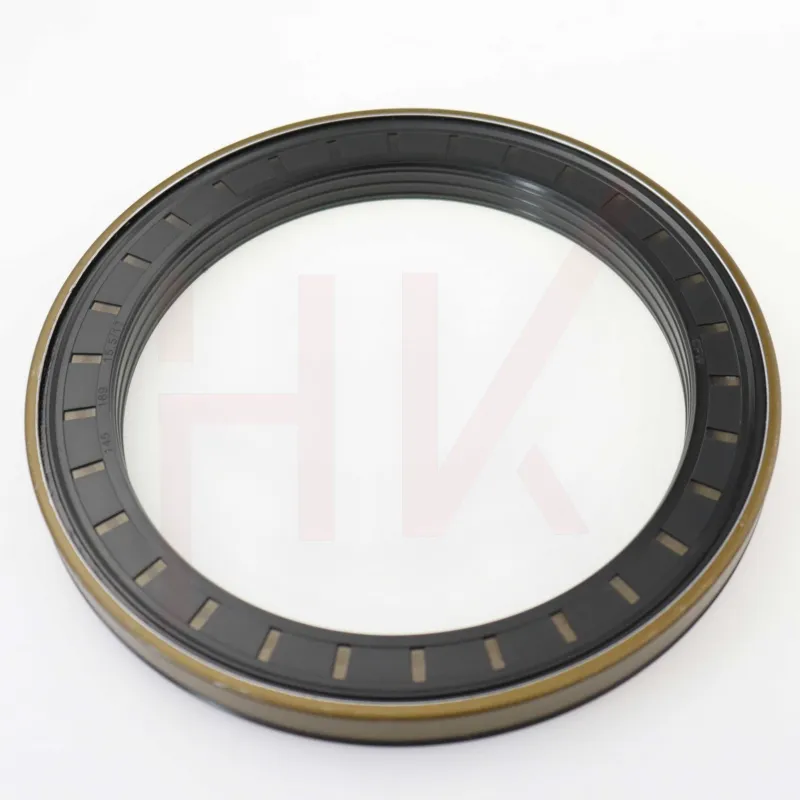
145*189*15.5/17 Cassette Seal NBR Hub Oil Seal 1508044
-
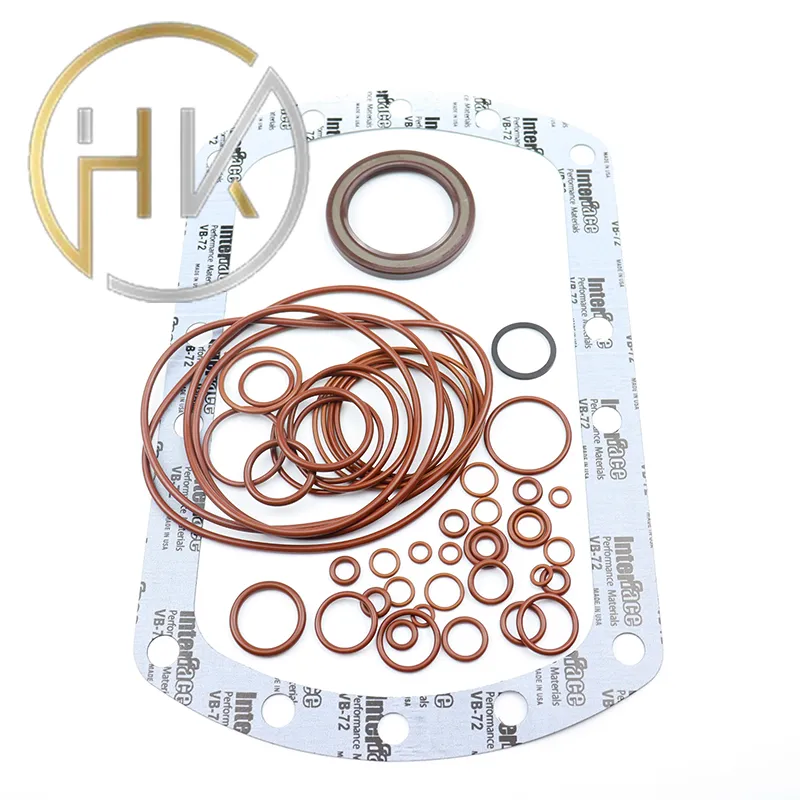
Factory direct sales hydraulic pump motor seal kit A8VO140
-
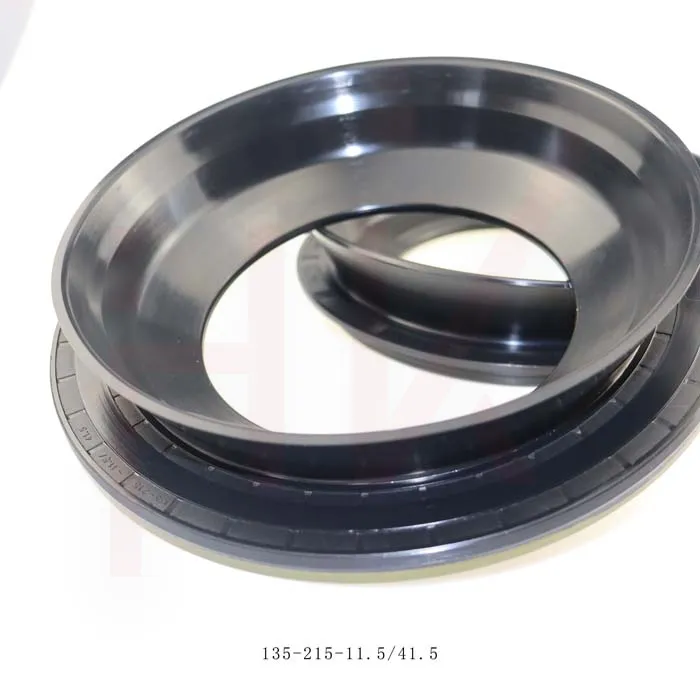
Brand new cement tanker oil seal 135*215*11.5/41.5 concrete mixer oil seal
-
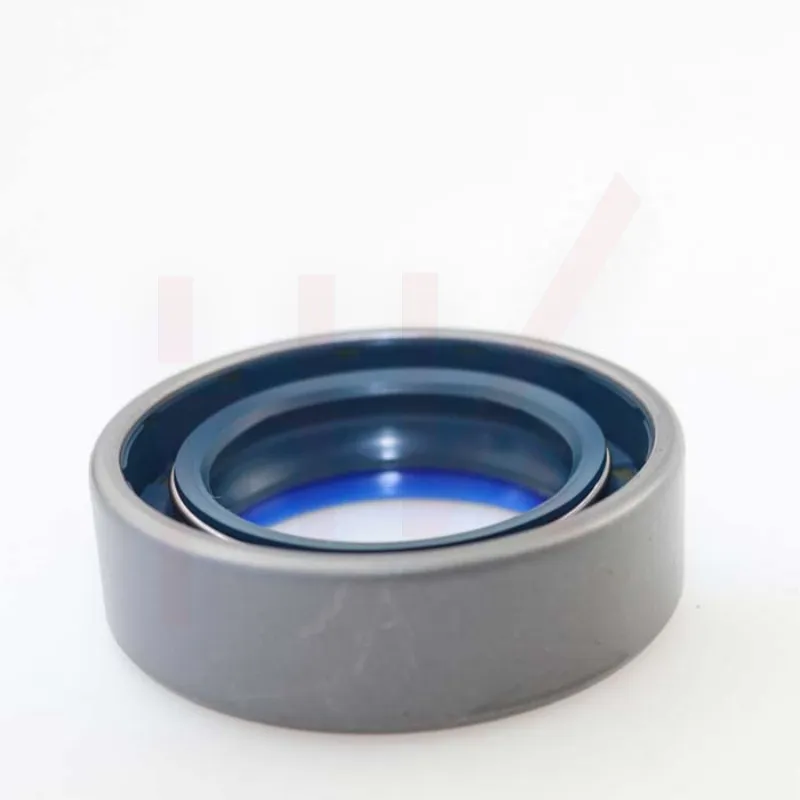
45*65*15 Combi oil seal JCB 90450009 COMBI SF1 SEAL
-
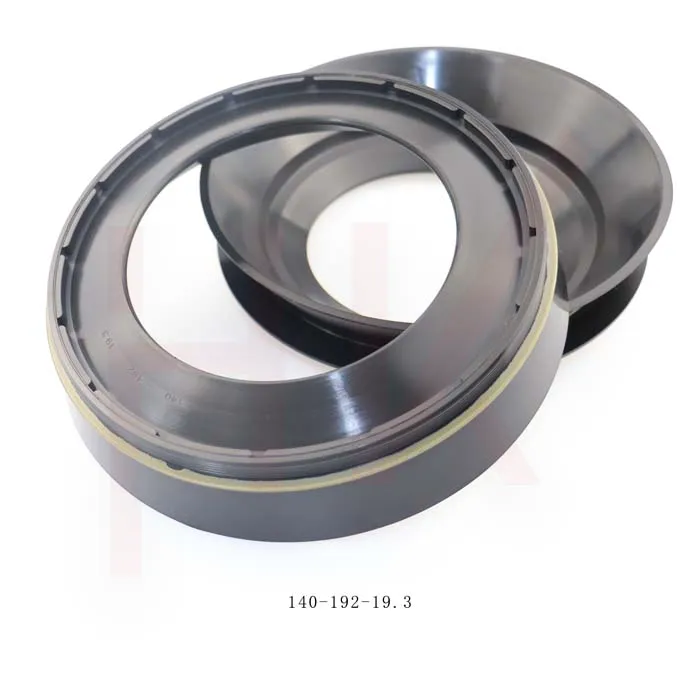
Gear box concrete mixer oil seal 140*192*19.3 nbr reducer oil seal
-
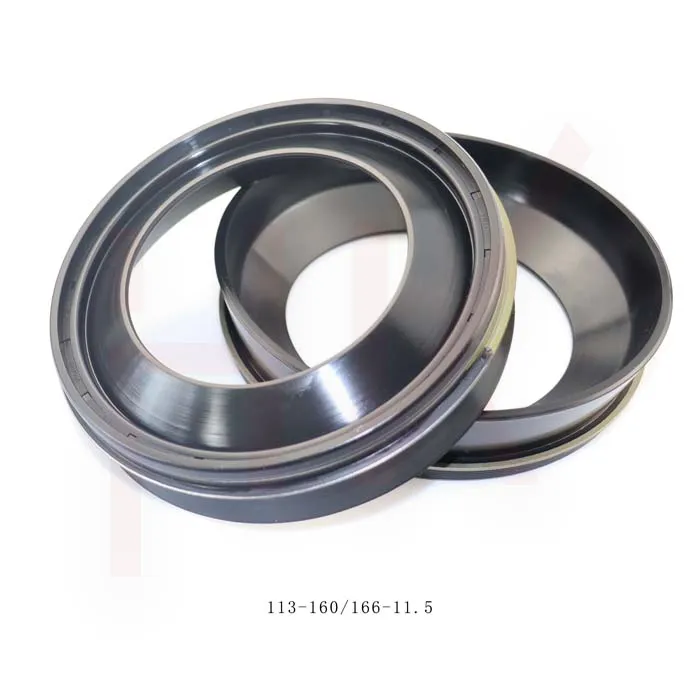
Seals factory direct sales 113*160/166*11.5/38 excavator truck reducer oil seal