
Dec . 16, 2025 08:35 Back to list
Reliable 20 32 6 Oil Seal – Quality, Specs, and Vendor Insights
Understanding the 20 32 6 Oil Seal: A Practical Perspective
You know, after spending over a decade in the industrial equipment sector, I've come to realize that parts like the humble 20 32 6 oil seal often don't get the attention they deserve. They might look unassuming at first glance, but frankly, these seals perform a crucial role — keeping machinery running smoothly, preventing leaks, and extending equipment life. Oddly enough, a tiny seal failure can cause hours of downtime and hefty repair bills. So understanding what’s behind that "20 32 6" label is worth a moment.
The designation itself is pretty straightforward once you know the code: the numbers stand for the dimensions. The inner diameter is 20mm, the outer diameter is 32mm, and the thickness (or width) is 6mm. But beyond these dimensions, the real story is in the materials and design choices — stuff that varies quite a bit across manufacturers.
For the uninitiated, these oil seals are typically used to prevent lubricant leakage in rotating or reciprocating shafts — think motors, pumps, gearboxes, or even agricultural machinery. Most of the time, the inner sealing lip is made from nitrile rubber (NBR), which balances durability and flexibility, but in tougher environments, you might see fluoroelastomer (FKM) seals instead. That extra resistance to heat and chemicals can save the day when working with higher temps or aggressive fluids.
In real terms, when I first got hands-on with a batch of these seals years ago, I noticed something that many engineers also point out: not all “20 32 6” seals are equal. Tight manufacturing tolerances and verification testing make a difference. For example, a high-quality seal from a reliable vendor will maintain its lip tension and keep giving you a proper seal over thousands of cycles. Cheaper, less-tested seals may fail earlier, leading to oil leaks and the dreaded “why is my machine overheating?” troubleshooting marathon.
Key Product Specifications of a Typical 20 32 6 Oil Seal
| Specification | Details |
|---|---|
| Inner Diameter | 20 mm |
| Outer Diameter | 32 mm |
| Width / Thickness | 6 mm |
| Material | NBR (standard), FKM (optional) |
| Temperature Range | -30°C to 120°C (NBR) |
| Pressure Resistance | Up to 0.3 MPa |
Another thing I found interesting over the years is how some vendors stack up against each other. You’ve got the big names who insist on rigorous quality controls but might come at a premium price—and then smaller manufacturers that sometimes punch above their weight with competitive specs but less transparency on testing. I suppose depending on your project and budget, you’ll need to pick carefully.
Vendor Comparison for 20 32 6 Oil Seals
| Vendor | Material Options | Testing & Quality Control | Typical Lead Time | Price Range |
|---|---|---|---|---|
| HKaiseal | NBR, FKM, Silicone | Inline testing + batch traceability | 1-2 weeks | $$ (Mid-tier) |
| Vendor B | NBR only | Sample testing, limited batch data | 3-4 weeks | $ (Budget) |
| Vendor C | NBR, FKM | Certified ISO9001, full QC reports | 2-3 weeks | $$$ (Premium) |
One memorable project comes to mind: a client in heavy machinery manufacturing was having recurring oil leaks on slow-speed gearboxes. We replaced their generic seals with specifically matched 20 32 6 oil seals from HKaiseal, carefully selecting FKM material due to occasional high temperatures and chemical exposure. The difference? Remarkable. Zero leaks even after heavy operation for months, which frankly felt like a win for everyone involved.
Customization is another aspect worth considering. While standard 20 32 6 dimensions cover many applications, you can often get seals molded with additional features—like metal spring reinforcements on the lip for extra tension or coatings for improved wear resistance. It's these small details that sometimes make all the difference in tough industrial environments.
In conclusion? Before just ordering any oil seal with those measurements, spend time considering material compatibility, vendor reputation, and testing rigor. You might think it’s a small component, but in my experience, a well-chosen seal saves a lot of headaches down the road… and possibly your equipment.
Happy sealing!
References:
1. ISO 3601-1:2012 - Fluid power systems - O-rings.
2. Manufacturer datasheets from HKaiseal
3. Personal field notes, 2010-2023 industrial service visits.
-
Premium Hydraulic Cylinder Packing Kits for Peak Performance
NewsApr.09,2026
-
Comprehensive Guide to Hydraulic Cylinder Oil Seal Kits for Optimal Performance
NewsApr.07,2026
-
Comprehensive Guide to Choosing the Right Cylinder Seal Kits for Peak Performance
NewsApr.04,2026
-
Comprehensive Guide to Seal Kits for Cylinders Ensuring Optimal Performance
NewsMar.31,2026
-
Comprehensive Guide to Hyd Cylinder Seals for Optimal Hydraulic System Performance
NewsMar.28,2026
-
Comprehensive Guide to Hyd Cylinder Seal Kit Selection and Installation
NewsMar.26,2026
-
Comprehensive Guide to Hydraulic Cylinder Seal Kits for Optimal Performance
NewsMar.24,2026
Products categories
-
Standard oil seal BP0494 High pressure TCN oil seal
-
Hydraulic pump seal AP4624G high pressure TCN oil seal
-
0734307418 0750112169 120*165*10/14.8 concrete mixer reducer oil seal
-
35*52*16 Standard Wheel Hub Oil Seal For Agricultural Machinery
-
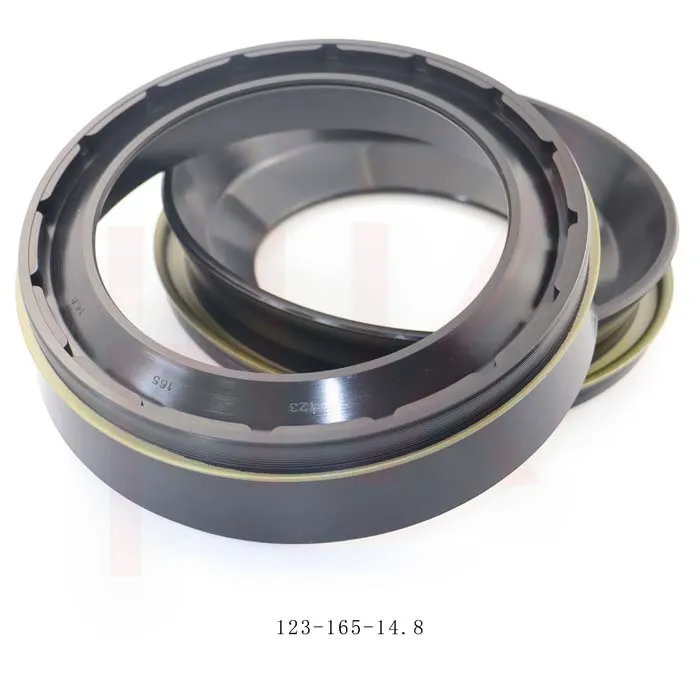
123*165*14.8 concrete mixer truck reducer oil seal
-
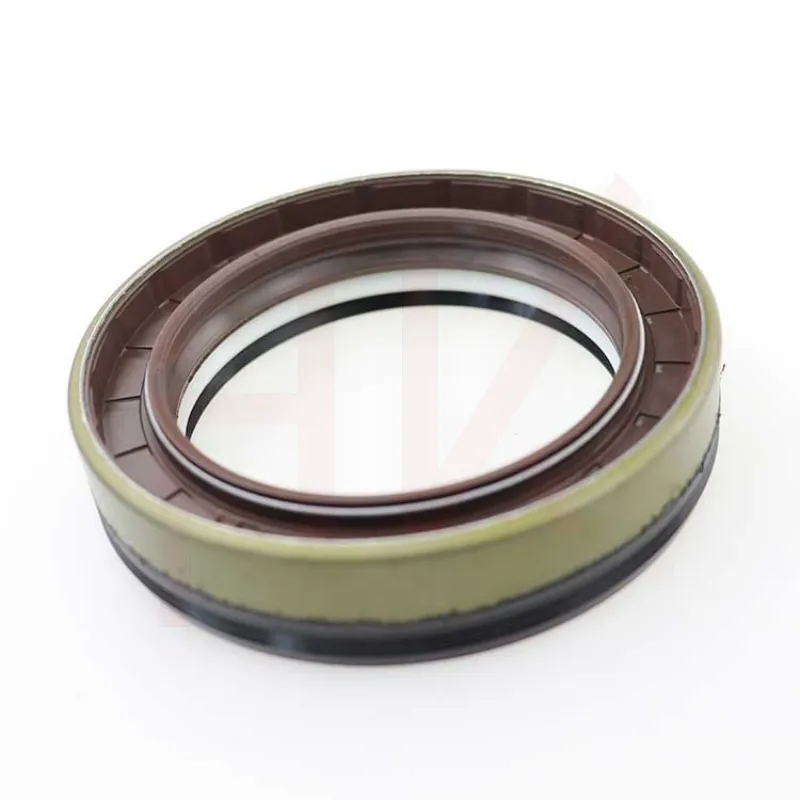
Tractor shaft oil seal 65-90-20 COMBI SF19 hub oil seal
-
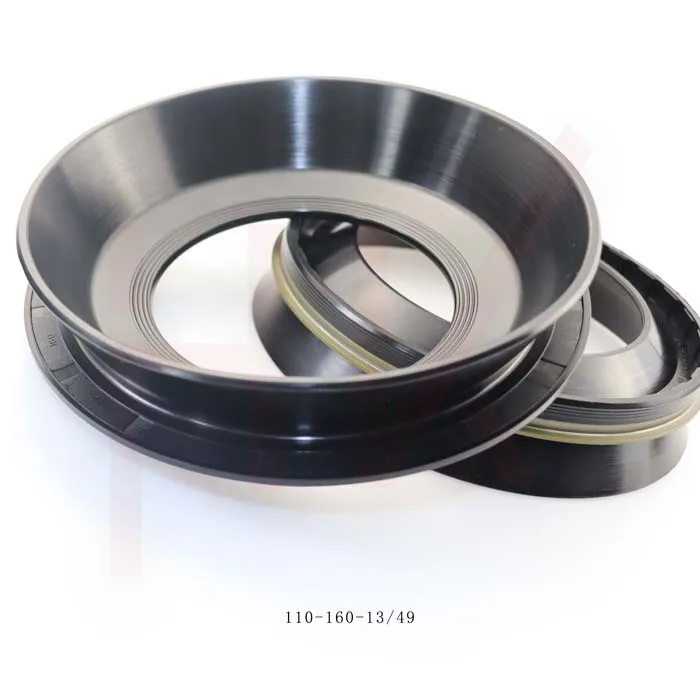
110*160*13/49 NBR reducerConcrete mixer truck oil seal
-
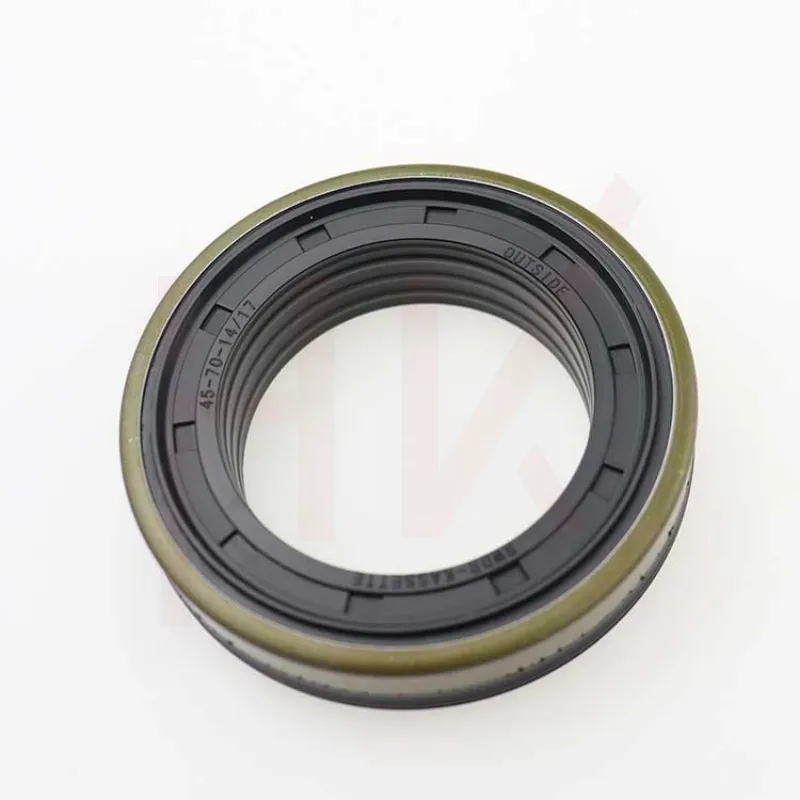
Hub oil seal 40*65*13/14.5 suitable for tractor Cat 12018035b
-
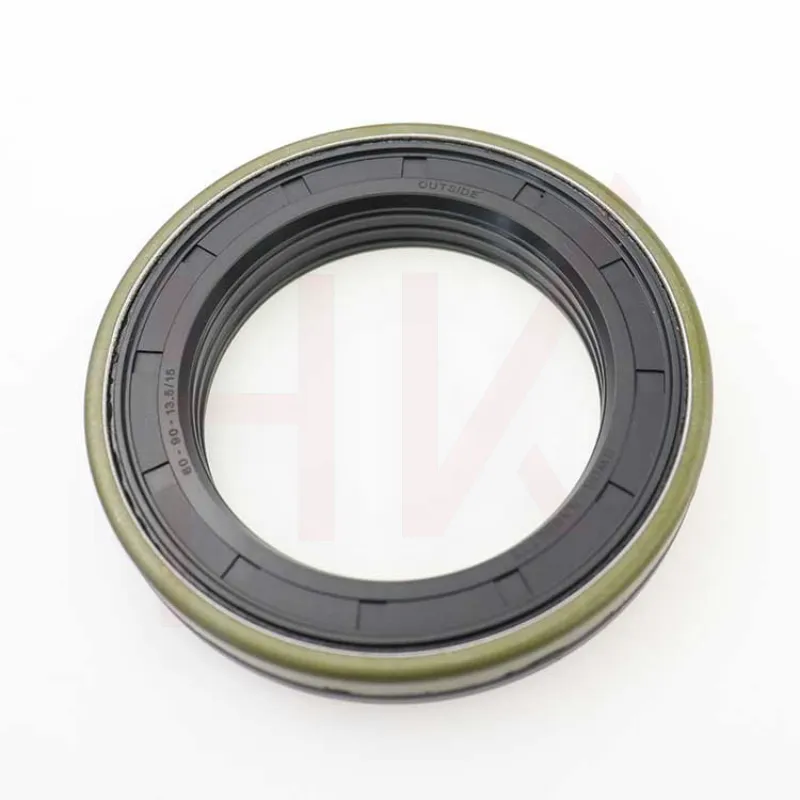
Tractor accessories cassette oil seal hub oil seal 60-90-13.5/15
-
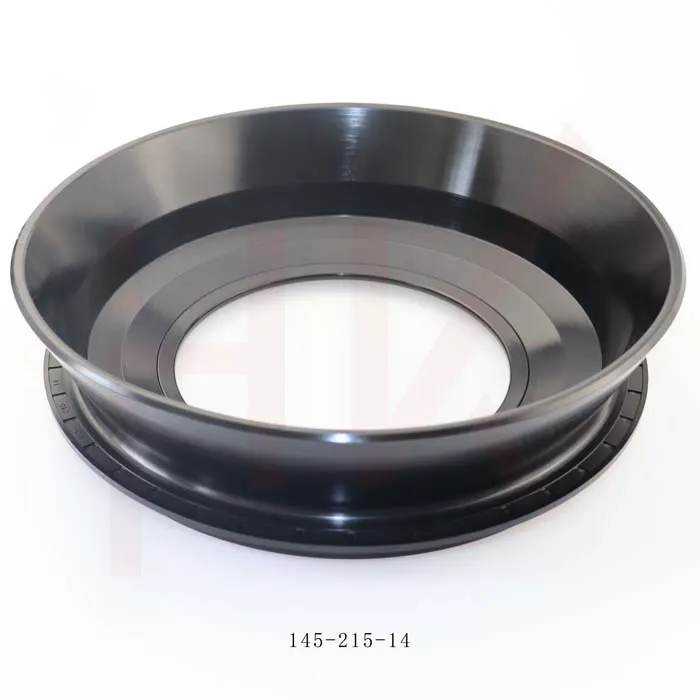
Factory concrete mixer truck oil seal 145*215*14 reducer gearbox oil seal
-
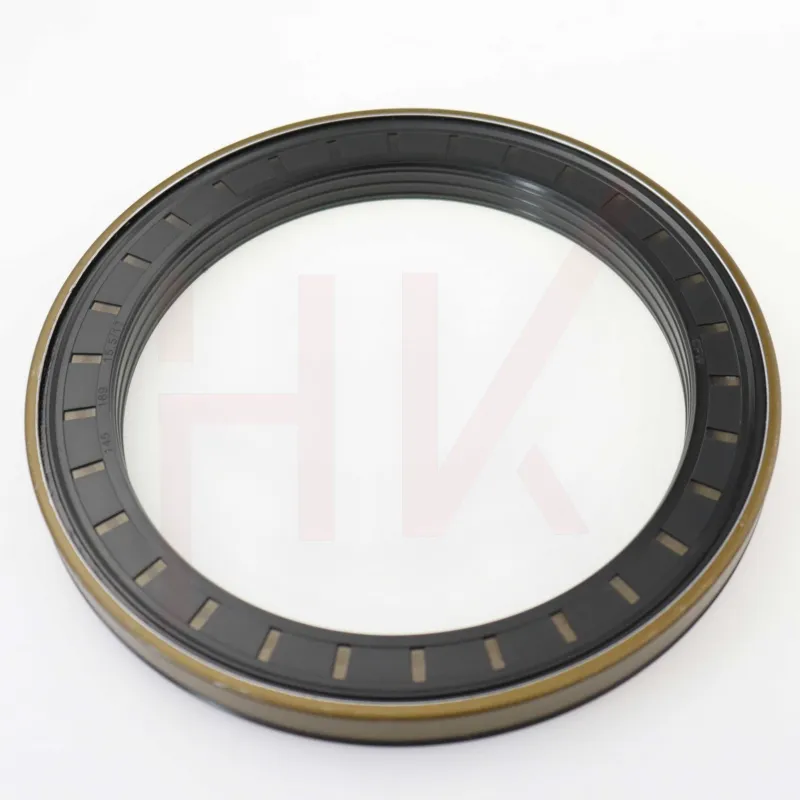
145*189*15.5/17 Cassette Seal NBR Hub Oil Seal 1508044
-
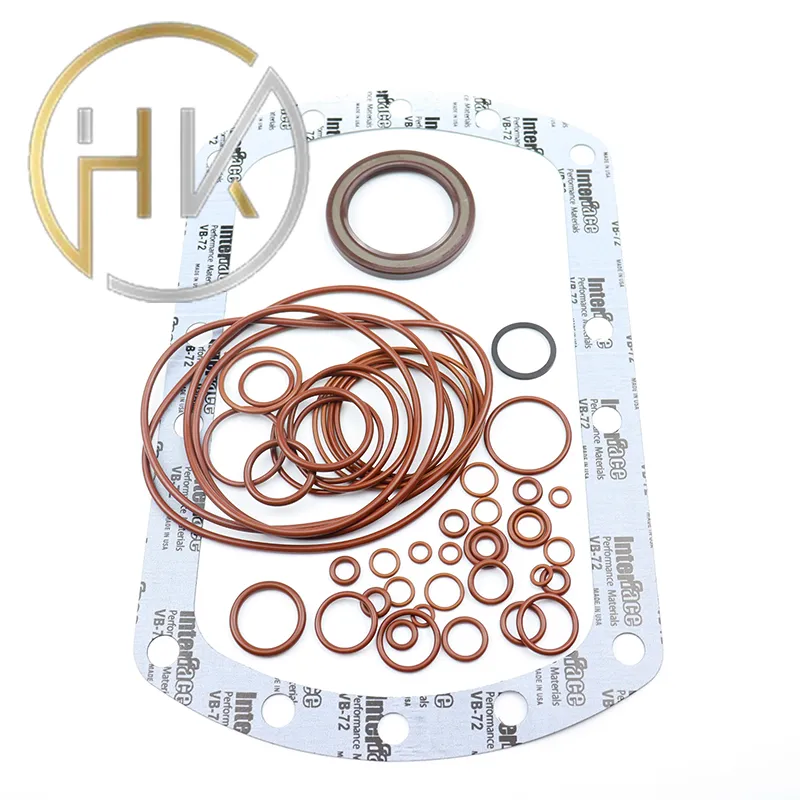
Factory direct sales hydraulic pump motor seal kit A8VO140
-
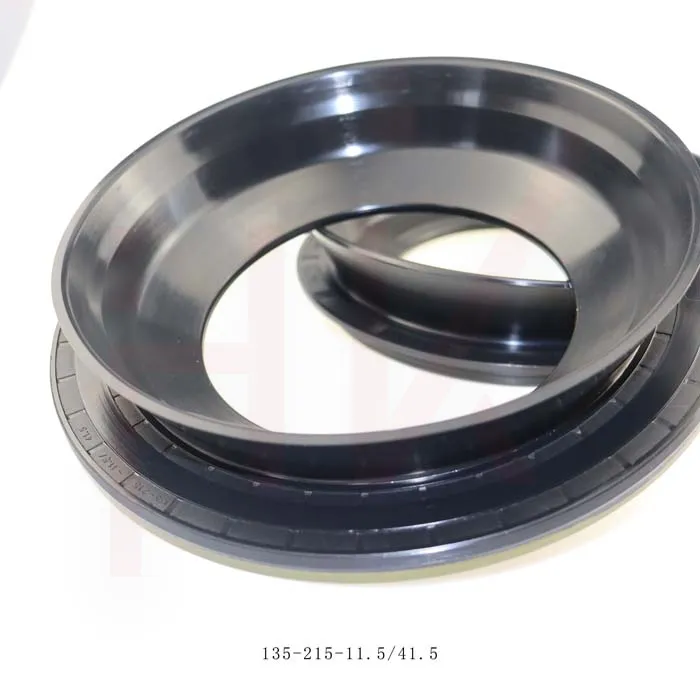
Brand new cement tanker oil seal 135*215*11.5/41.5 concrete mixer oil seal
-
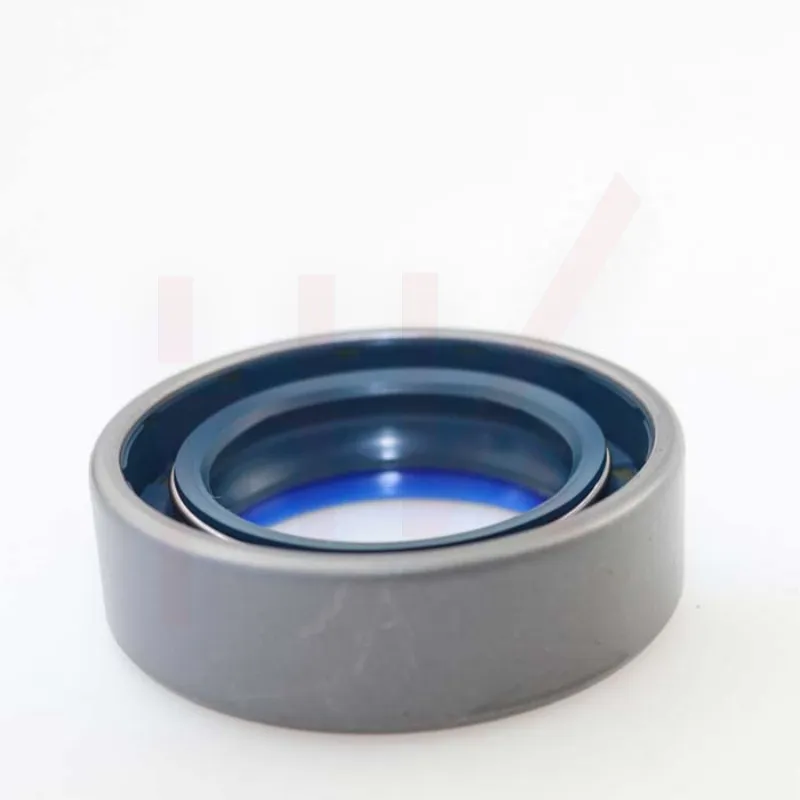
45*65*15 Combi oil seal JCB 90450009 COMBI SF1 SEAL
-
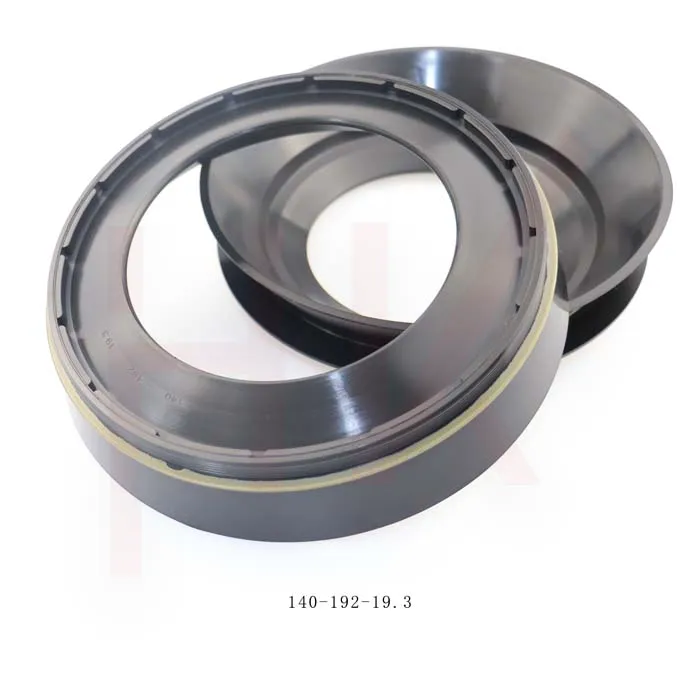
Gear box concrete mixer oil seal 140*192*19.3 nbr reducer oil seal
-
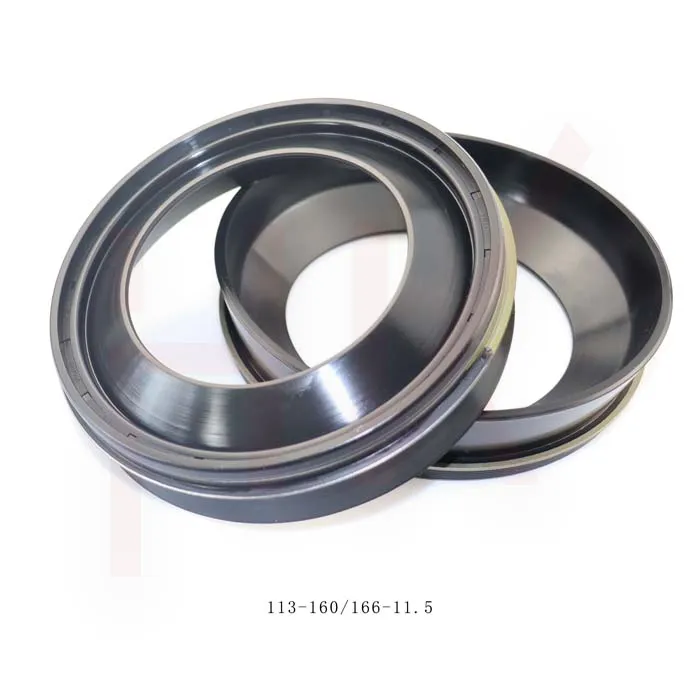
Seals factory direct sales 113*160/166*11.5/38 excavator truck reducer oil seal