
Jan . 24, 2026 17:10 Back to list
Hub Oil Seals Axle Seals: A Guide for B2B Decision Makers
Understanding the Critical Role of Hub Oil Seals Axle Seals
You know, after spending a fair bit of time on-site with maintenance teams, one thing becomes strikingly clear: seemingly small components can cause massive headaches if they fail. And honestly, that’s where hub oil seals axle seals really come into play. They're not glamorous, but they're absolutely essential for keeping things running smoothly, preventing leaks, and extending the lifespan of expensive equipment. It's about reliability, frankly, and that translates directly into cost savings.
Table of Contents
- Hub Oil Seals Axle Seals: A Closer Look
- Applications & Key Benefits
- Cost Analysis & Performance
- Future Trends & Sustainability
Hub Oil Seals Axle Seals: A Closer Look
So, what are we talking about? Essentially, these seals prevent lubricant leakage from rotating shafts—axles, hubs, you name it. They’re usually made of a rubber or polymer material bonded to a metal casing. The materials are critical, of course. You'll find nitrile rubber, Viton, silicone…each suited to different temperatures, pressures, and fluid types. Hkaiseal focuses on durable materials to withstand harsh conditions, and I’ve noticed their seals hold up exceptionally well even in contaminated environments. Here’s a quick look at some of the key specs:
| Specification | Value | Notes |
|---|---|---|
| Material | HNBR, NBR, ACM, FKM | Customizable based on fluid compatibility |
| Temperature Range | -40°C to 200°C (depending on material) | Critical for varying climates |
| Shaft Diameter | Custom Sized | From 10mm to 300mm |
Applications & Key Benefits
Where are these used? Everywhere, honestly. Automotive, heavy machinery, agricultural equipment, even some industrial pumps. I suppose the core benefit is preventing downtime. A leaking seal can lead to bearing failure, which means a complete system shutdown. Beyond that, proper sealing contributes to energy efficiency, reduces environmental impact (less oil leaking into the ground), and improves overall safety. Many engineers I’ve spoken with emphasize the importance of choosing the right seal for the application – it’s not a one-size-fits-all situation.
Cost Analysis & Performance
The initial cost of a high-quality hub oil seal might be slightly higher, but the total cost of ownership is almost always lower. Think about it: fewer failures, less maintenance, longer equipment life. It's a simple equation. I recall working with a mining company a few years back. They switched to Hkaiseal seals on their haul trucks, and they saw a significant reduction in seal-related failures—something like a 30% drop, if I remember correctly. They said it paid for itself in about six months.
| Vendor | Material Quality | Price (per 100) | Lead Time |
|---|---|---|---|
| Hkaiseal | Excellent | $800 | 5-7 days |
| Competitor A | Good | $700 | 7-10 days |
| Competitor B | Average | $600 | 10-14 days |
Future Trends & Sustainability
The industry is, sort of, moving towards more sustainable materials and designs. Biodegradable elastomers are being explored, and there's a growing demand for seals that can operate with environmentally friendly lubricants. Regulations are also getting stricter, pushing manufacturers to reduce leakage and minimize environmental impact. Hkaiseal seems to be keeping pace with these trends, which is good to see.
Frequently Asked Questions about Hub Oil Seals Axle Seals
- What is Hub Oil Seals Axle Seals and how does it work?
- Hub oil seals axle seals prevent lubricant from escaping rotating components like axles and hubs. They use a tight contact between a flexible sealing lip and the shaft surface to create a barrier.
- What are the main benefits of using Hub Oil Seals Axle Seals in industrial applications?
- Reduced maintenance costs, extended equipment life, minimized downtime, improved safety, and decreased environmental impact due to prevented oil leaks.
- How does Hub Oil Seals Axle Seals compare to traditional alternatives?
- Modern hub oil seals axle seals, like those from Hkaiseal, offer superior material performance, tighter tolerances, and enhanced durability compared to older designs and less reliable materials.
- What industries can benefit most from Hub Oil Seals Axle Seals implementation?
- Automotive, heavy machinery, agriculture, mining, construction, and any industry using rotating equipment requiring reliable lubrication containment.
Conclusion on Hub Oil Seals Axle Seals from china
At the end of the day, a well-chosen hub oil seal isn’t about flashy innovation—it’s about preventing problems before they start. It’s a foundational component that keeps things moving, and Hkaiseal seems to understand that. Visit our website: https://www.hkaiseal.com
- Don't underestimate the power of a good seal.
-
Guide to Choosing the Right High Quality hydraulic ram kit
NewsApr.16,2026
-
Premium Hydraulic Cylinder Packing Kits for Peak Performance
NewsApr.09,2026
-
Comprehensive Guide to Hydraulic Cylinder Oil Seal Kits for Optimal Performance
NewsApr.07,2026
-
Comprehensive Guide to Choosing the Right Cylinder Seal Kits for Peak Performance
NewsApr.04,2026
-
Comprehensive Guide to Seal Kits for Cylinders Ensuring Optimal Performance
NewsMar.31,2026
-
Comprehensive Guide to Hyd Cylinder Seals for Optimal Hydraulic System Performance
NewsMar.28,2026
-
Comprehensive Guide to Hyd Cylinder Seal Kit Selection and Installation
NewsMar.26,2026
Products categories
-
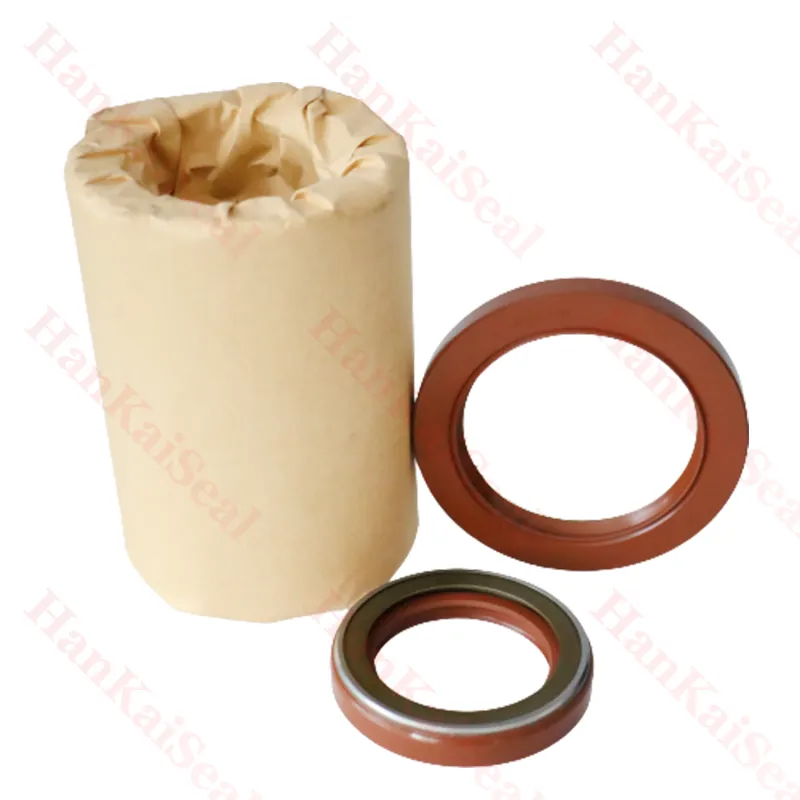
Standard oil seal BP0494 High pressure TCN oil seal
-
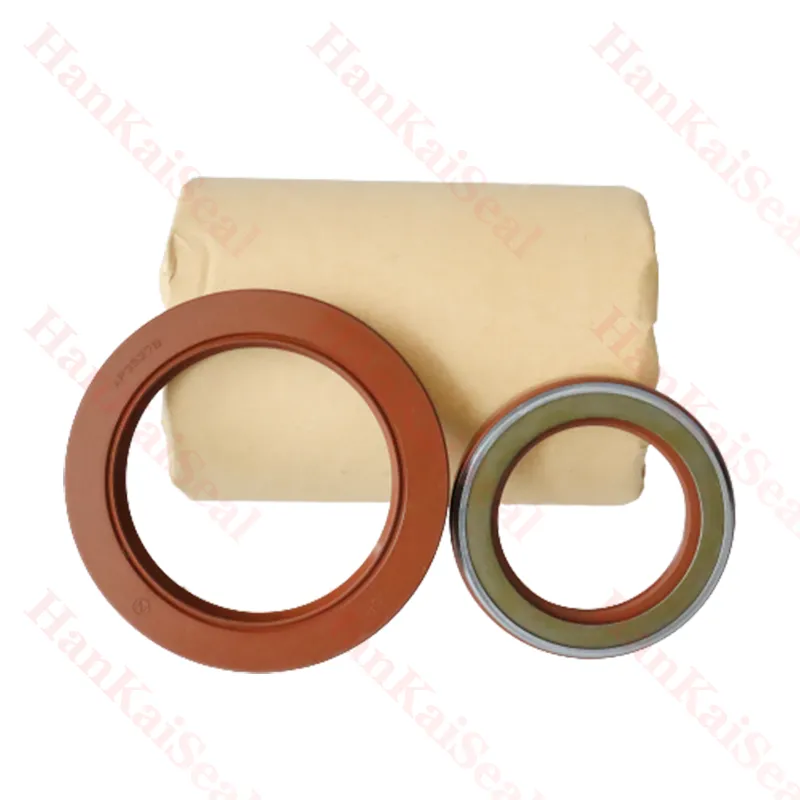
Hydraulic pump seal AP4624G high pressure TCN oil seal
-
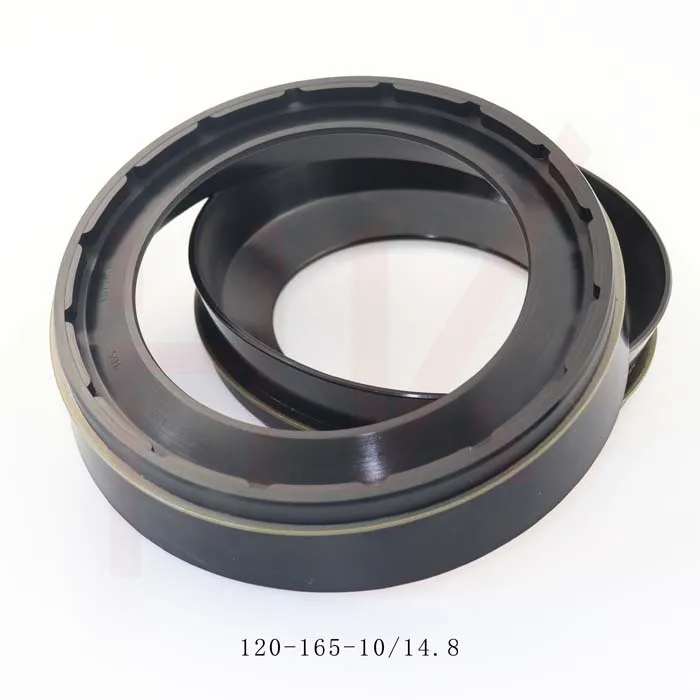
0734307418 0750112169 120*165*10/14.8 concrete mixer reducer oil seal
-
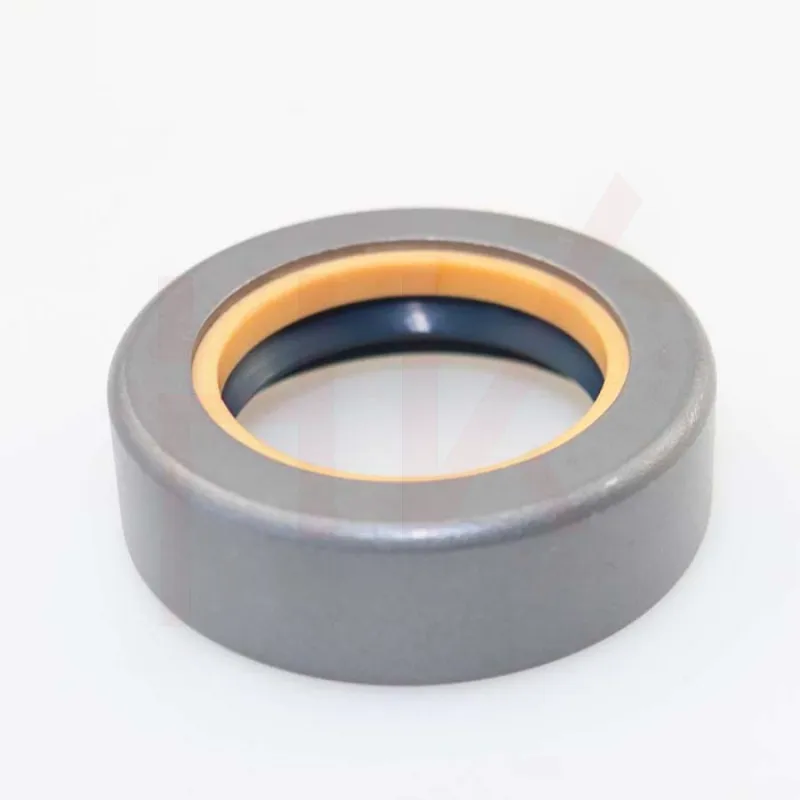
35*52*16 Standard Wheel Hub Oil Seal For Agricultural Machinery
-
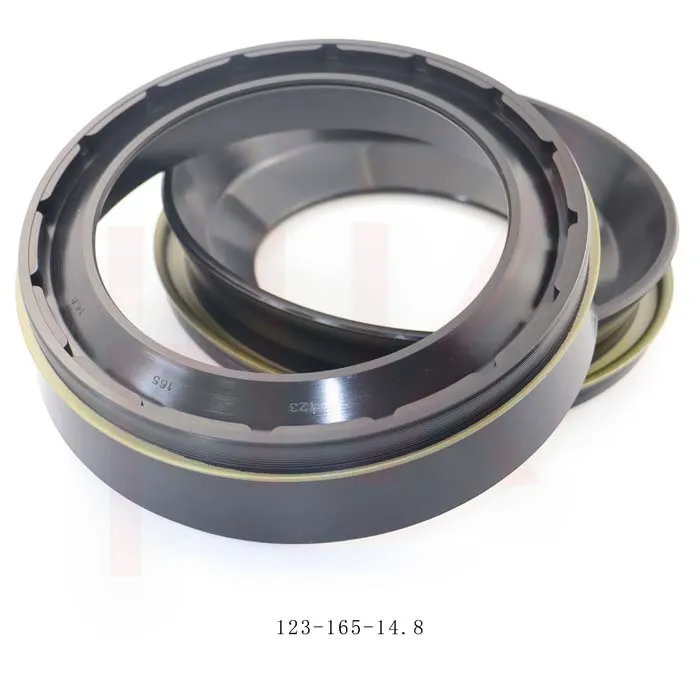
123*165*14.8 concrete mixer truck reducer oil seal
-
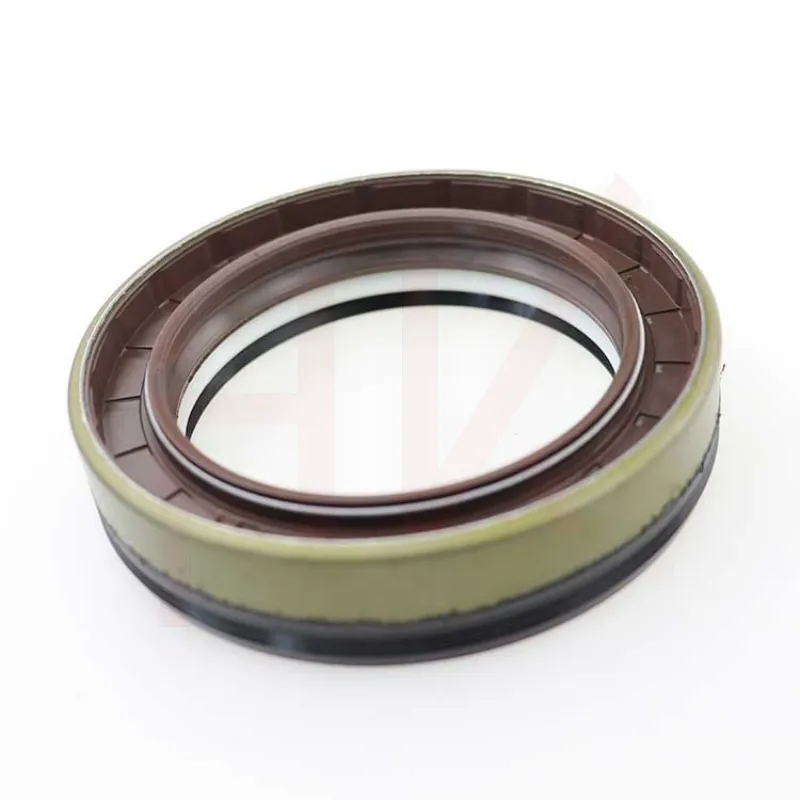
Tractor shaft oil seal 65-90-20 COMBI SF19 hub oil seal
-
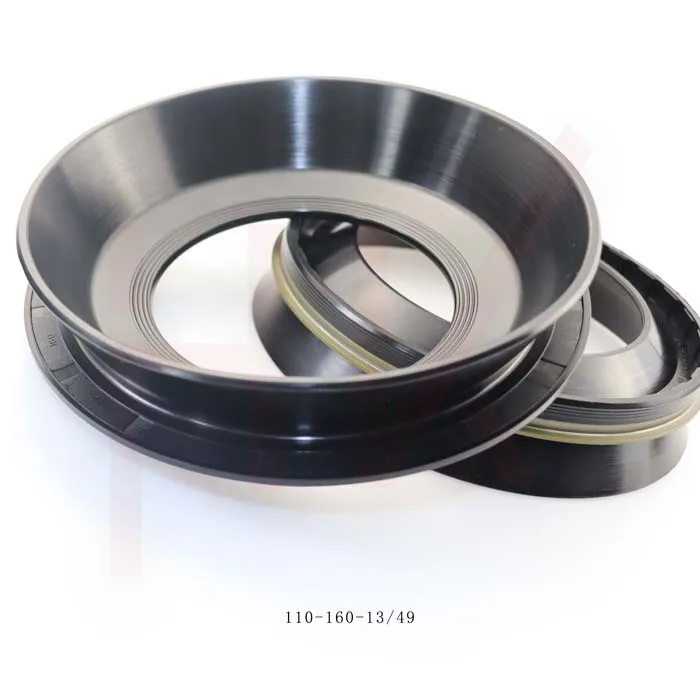
110*160*13/49 NBR reducerConcrete mixer truck oil seal
-
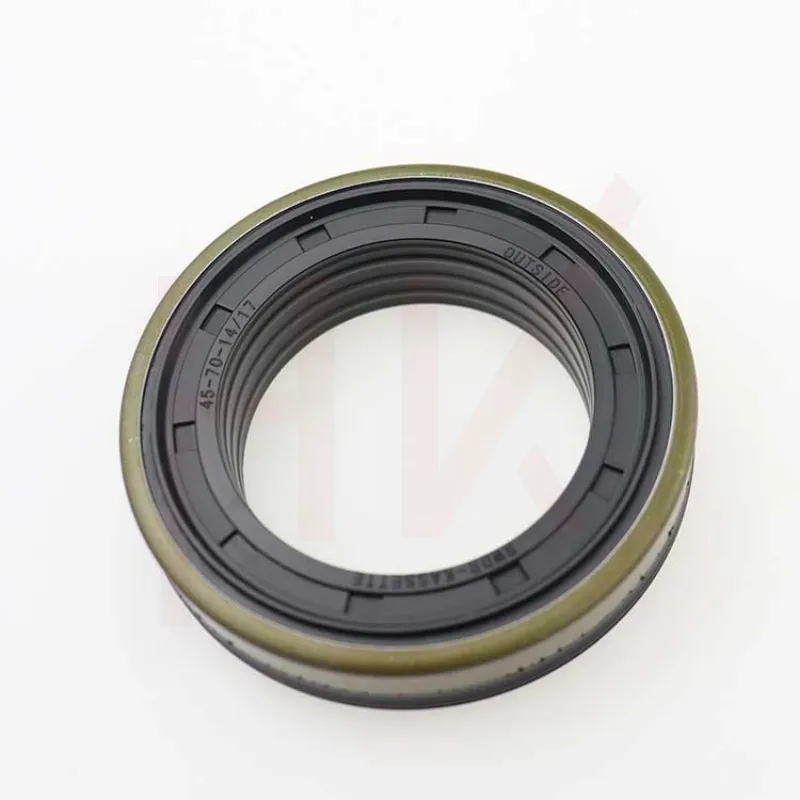
Hub oil seal 40*65*13/14.5 suitable for tractor Cat 12018035b
-
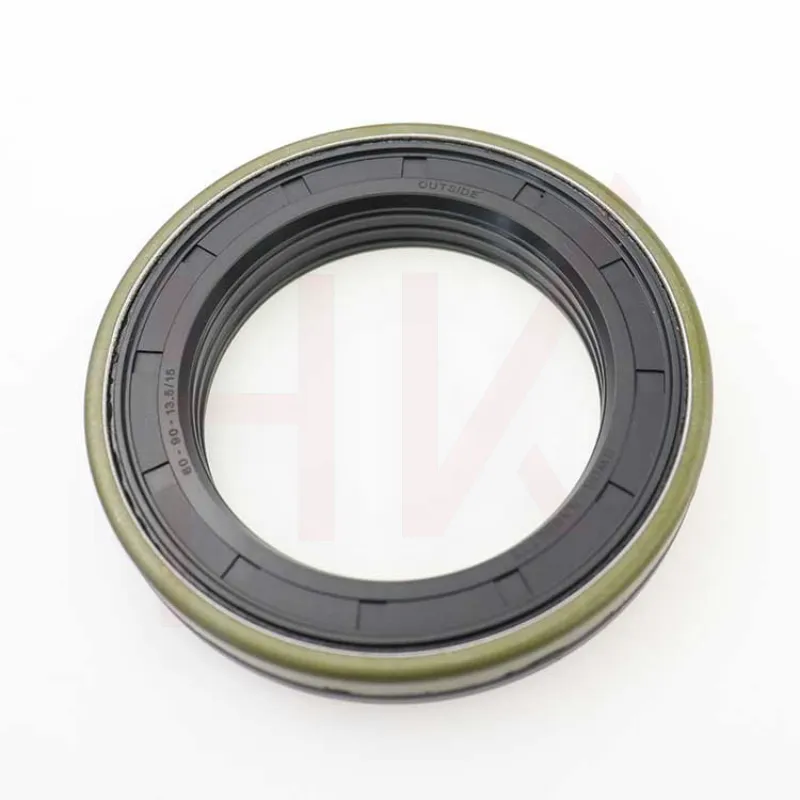
Tractor accessories cassette oil seal hub oil seal 60-90-13.5/15
-
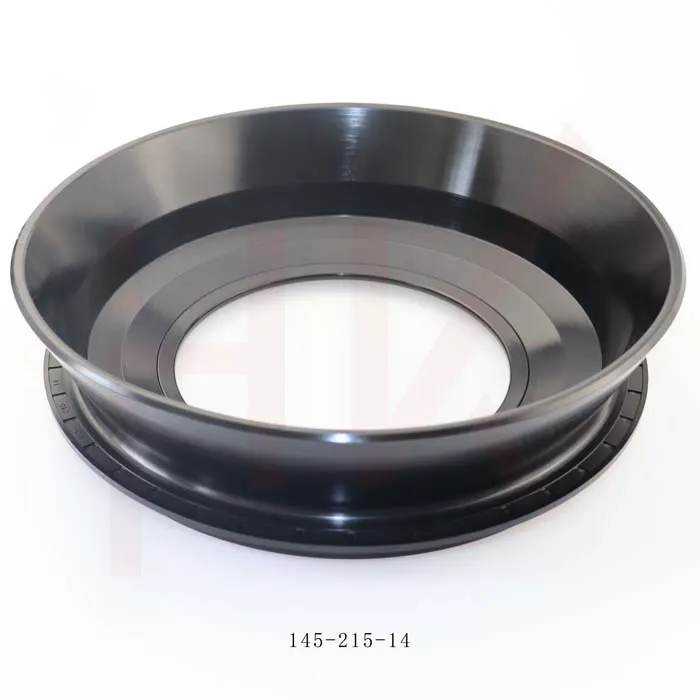
Factory concrete mixer truck oil seal 145*215*14 reducer gearbox oil seal
-
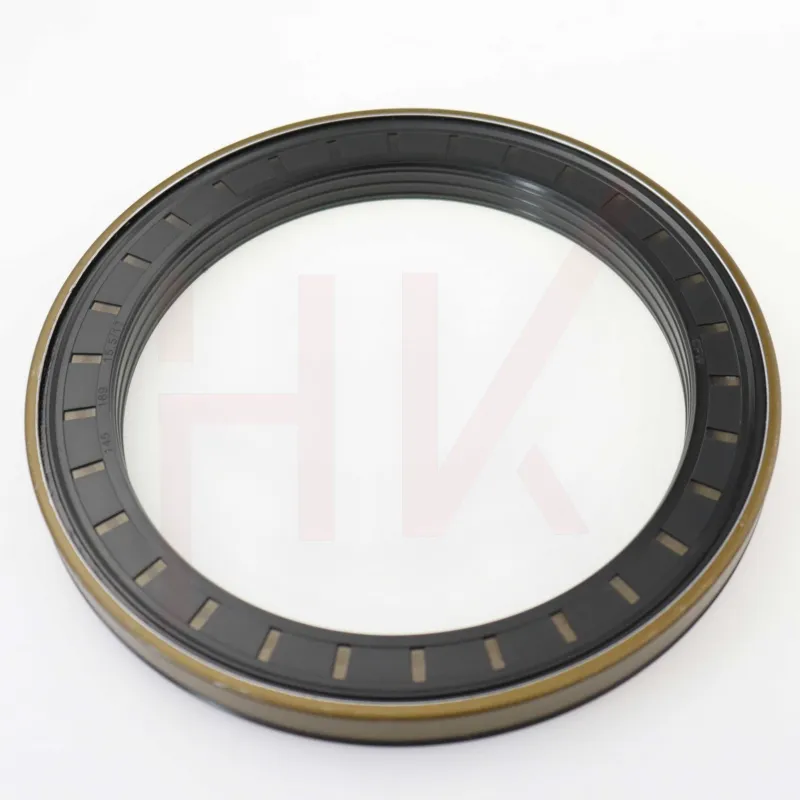
145*189*15.5/17 Cassette Seal NBR Hub Oil Seal 1508044
-
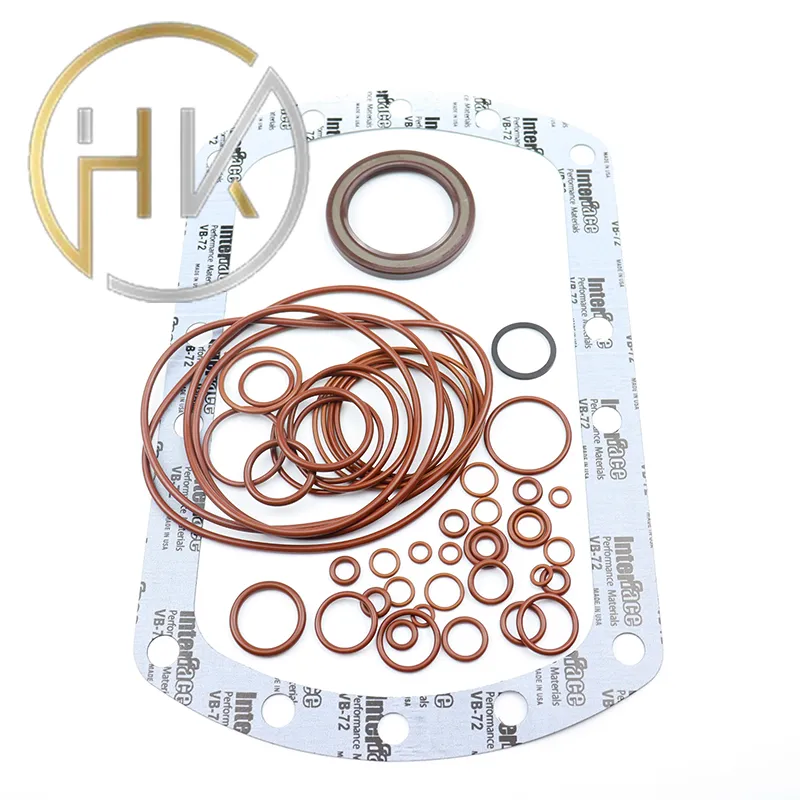
Factory direct sales hydraulic pump motor seal kit A8VO140
-
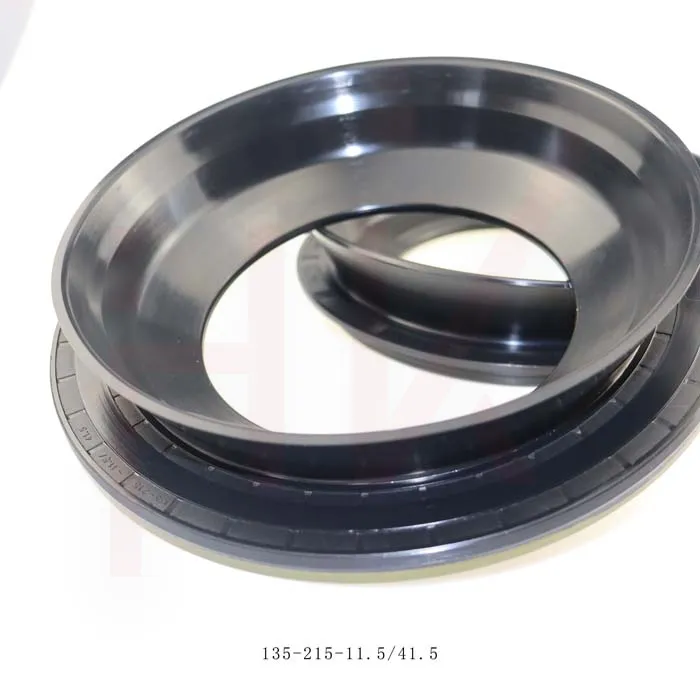
Brand new cement tanker oil seal 135*215*11.5/41.5 concrete mixer oil seal
-
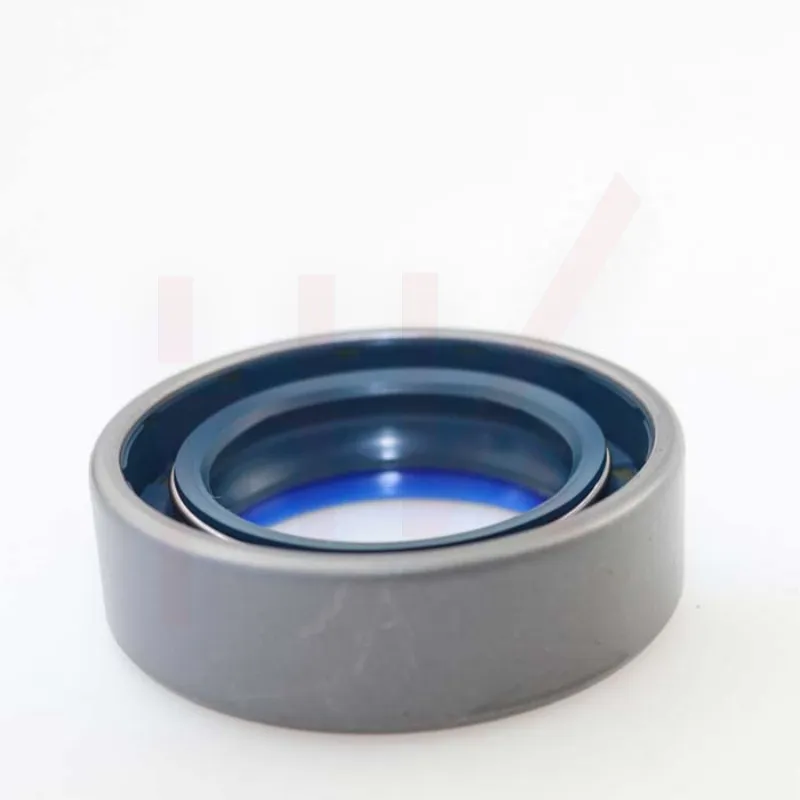
45*65*15 Combi oil seal JCB 90450009 COMBI SF1 SEAL
-
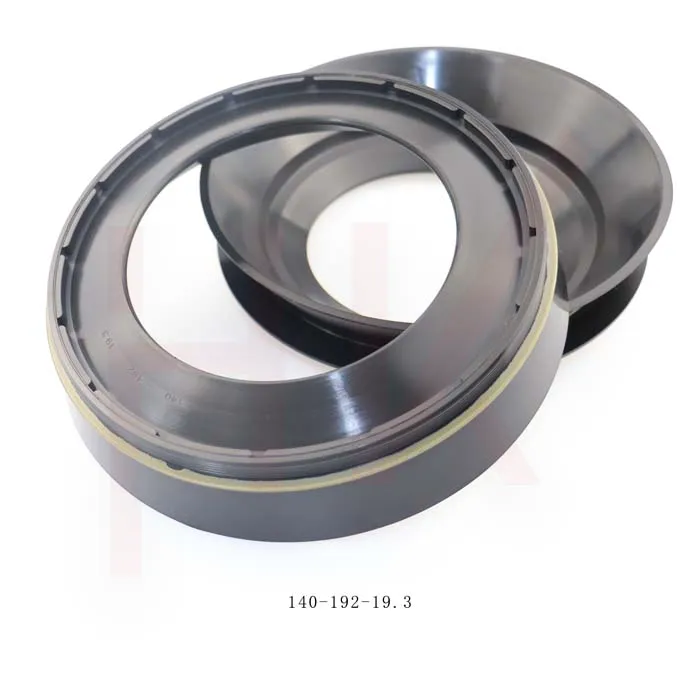
Gear box concrete mixer oil seal 140*192*19.3 nbr reducer oil seal
-
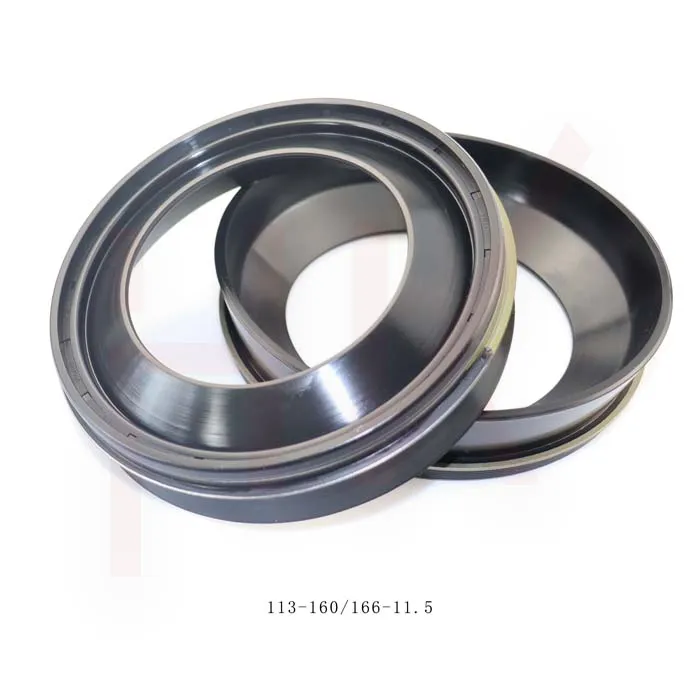
Seals factory direct sales 113*160/166*11.5/38 excavator truck reducer oil seal