
Nov . 25, 2025 08:33 Back to list
Metric Rod Wiper Seals - Durable, Precision Sealing for Hydraulic Systems
Metric Rod Wiper Seals: What They Are and Why They Matter
Have you ever wondered how hydraulic systems keep their inner rods clean and long-lasting despite tough environments? That’s exactly where metric rod wiper seals come into play. These small but mighty seals prevent dirt, dust, and moisture from damaging precision hydraulic components, making them essential across industries worldwide. Understanding these seals not only helps engineers improve machine reliability but also reduces costly downtime and environmental waste — kind of a win-win.
The Global Importance of Metric Rod Wiper Seals
Across continents, from the factories of Germany to offshore rigs in Southeast Asia, metric rod wiper seals are quietly safeguarding hydraulic systems that power everything from industrial robots to construction cranes. To put things in perspective, according to the International Organization for Standardization (ISO), hydraulic machinery accounts for billions in global industrial output annually. Without robust sealing solutions, machine failures spike, jeopardizing safety and escalating maintenance costs.
What’s compelling is that the rise of heavy machinery and automation in emerging economies has intensified demand for reliable sealing technology. Almost paradoxically, environmental regulations emphasizing sustainability have also pushed manufacturers to seek longer-lasting seals that reduce oil leaks and contamination—a challenge traditional seals struggled with.
Mini takeaway: These seals may be small components, but their global impact on machine longevity and sustainability is huge.
Understanding Metric Rod Wiper Seals
So what exactly are metric rod wiper seals? Technically speaking, they’re specialized sealing elements designed to “wipe” contaminants off the surface of hydraulic rods as they retract into cylinders. Unlike typical seals that handle internal pressure containment, wiper seals specifically prevent external particles like dust, grit, and moisture from entering the system and damaging sensitive parts.
They’re “metric” because they follow metric dimension standards — think millimeters on the ruler — ensuring compatibility with globally manufactured hydraulic cylinders. With industries moving toward standardized components for easier sourcing and maintenance, metric rod wiper seals have become the preferred choice worldwide.
On a broader scale, by protecting hydraulic systems that equalize power and motion, these seals contribute indirectly to areas like renewable energy, urban infrastructure, and even humanitarian logistics.
Key Features That Define Quality Metric Rod Wiper Seals
1. Durability and Material Composition
Most metric rod wiper seals are made from high-performance elastomers such as polyurethane, nitrile rubber (NBR), or fluoroelastomers (FKM), sometimes reinforced with fabric inserts. The idea is to withstand abrasion, temperature swings, and exposure to oil and chemicals. Durability matters because replacing seals often in remote or critical applications is no joke.
2. Precision Fit and Scalability
Thanks to metric sizing, these seals come in a wide range of sizes, fitting rods of various diameters precisely. That ensures there is no excessive clearance, reducing the chance of leakage or wear. It’s sort of like tailoring a suit — the better the fit, the longer it lasts.
3. Cost Efficiency Over the Long Run
While premium wiper seals might command a slightly higher upfront cost, their lifespan and protection capabilities lead to lowered maintenance and machine downtime. For fleet operators and manufacturers, this can translate to significant savings and predictability in service schedules.
4. Resistance to Environmental Stress
Because these seals handle external contaminants, their ability to resist dust, moisture, and chemical attack is paramount. You find them on offshore equipment braving saltwater spray or on agricultural machines that plow through mud. Reliable sealing means increased operational safety and longer equipment life.
Mini takeaway:
Right material choice, dimensional accuracy, and resistance to the environment combine to make metric rod wiper seals indispensable for hydraulic systems worldwide.
Where and How Are Metric Rod Wiper Seals Applied Globally?
In industrial zones spanning from North America’s oil fields to European automated factories, metric rod wiper seals safeguard a multitude of machines. Significant applications include:
- Construction machinery: Excavators and loaders routinely face mud, grit, and harsh weather, needing seals that can keep contaminants out.
- Hydraulic presses: In automotive manufacturing plants where precision is everything, these seals ensure smooth operations.
- Offshore rigs: Saltwater exposure and high humidity call for seals that resist corrosion and leakage.
- Agricultural equipment: Tractors and harvesters need to maintain reliability despite challenging dirt and organic matter.
Humanitarian agencies also quietly depend on these seals for mobile water pumps and generators in disaster zones, where replacement parts are scarce but failure is not an option.
Metric Rod Wiper Seals: Specification Table
| Specification | Typical Metric Value | Description |
|---|---|---|
| Rod Diameter (mm) | 6 - 150 | Fits rods within this diameter range |
| Material | NBR, PU, FKM | Common elastomers used for high abrasion resistance |
| Operating Temperature | -40°C to +120°C | Range suitable for most industrial applications |
| Hardness (Shore A) | 70 - 90 | Resistance to deformation under stress |
| Max Speed | 8 m/s | Maximum piston rod velocity for effective sealing |
Comparing Leading Vendors of Metric Rod Wiper Seals
| Vendor | Materials & Options | Customization | Global Reach | Lead Time |
|---|---|---|---|---|
| SealPro | NBR, PU, FKM | Standard sizes only | Europe & Asia | 5-7 days |
| Global Elastomers | Wide range including custom compounds | Full customization | Worldwide | 10-14 days |
| HKAi Seal | Premium PU & FKM compounds | Custom sizes and designs | Asia, Europe, Americas | 7-10 days |
Advantages & Long-Term Value of Metric Rod Wiper Seals
Let’s be honest: machines break down without good seals, and downtime can cost thousands per hour. The right metric rod wiper seals:
- Enhance reliability: Keeping dirt out means cylinders last longer.
- Reduce environmental impact: Preventing oil leaks protects soil and water sources.
- Save money: Less frequent part replacements and emergency repairs.
- Build trust: Operators sleep better knowing their equipment is protected.
Emotionally, seeing a machine that just keeps running feels rewarding. It’s like having a trusty old friend who never lets you down.
Looking Ahead: Trends and Innovations
The industry’s shifting toward even smarter seal materials — those that resist chemicals better, self-lubricate, or adapt slightly to pressure changes. Some researchers are exploring biomimetic designs inspired by natural wiper systems, such as eyelids, for better contamination removal.
In parallel, the rise of digital monitoring means sensors embedded near seals can predict failures before they happen, opening doors to preventative maintenance rather than reactive fixes. Coupled with novel sustainable elastomers derived from bio-based sources, the future is kind of exciting.
Challenges in Using Metric Rod Wiper Seals and How to Tackle Them
No product is perfect. Challenges include:
- Material degradation: Extreme heat or chemical exposure can shorten seal life.
- Improper dimensioning: Off-spec seals cause leaks or wear fast.
- Installation errors: Even the best seal fails if mishandled during assembly.
Experts often recommend thorough consultation with vendors for custom solutions, routine inspections, and staff training to ensure proper seal handling and installation.
FAQ: Your Questions About Metric Rod Wiper Seals Answered
Q1: How do metric rod wiper seals differ from regular rod seals?
A1: Metric rod wiper seals focus primarily on preventing contaminants from entering the hydraulic cylinder, whereas regular rod seals mainly stop fluid leakage under pressure inside the cylinder. They serve complementary but distinct roles within a hydraulic system.
Q2: Can I reuse a metric rod wiper seal if it looks undamaged?
A2: It’s generally recommended to replace wiper seals during maintenance because unseen wear or hardening can compromise their effectiveness, even if they appear intact. Cost-wise, replacement is usually cheaper than risking hydraulic damage.
Q3: Are metric rod wiper seals compatible with all hydraulic fluids?
A3: Most seals work well with common mineral oils, water-glycol fluids, or synthetic oils. However, compatibility depends on seal material, so always confirm material and fluid specs with your supplier.
Q4: How does one select the right wiper seal for extreme climates?
A4: Choose seals made from elastomers rated for high/low temperatures, possibly combined with protective coatings. Vendors like HKAi Seal often offer specialized compounds suitable for harsh environments.
Q5: Where can I find metric rod wiper seals for custom applications?
A5: Companies specializing in elastomeric seals with customization services—such as metric rod wiper seals manufacturers—can produce bespoke sizes and materials tailored to your needs.
Wrapping Up: Why Metric Rod Wiper Seals Are a Smart Investment
In the grand scheme, these seemingly modest seals underpin the smooth performance of countless hydraulic devices that are integral to our industries and daily lives. Their role in enhancing machine life, protecting the environment, and reducing maintenance costs cannot be overstated. So next time you see a towering crane or a smooth-operating press, remember the metric rod wiper seals quietly doing their job.
If you’re looking to up your machinery’s reliability or simply want to explore quality sealing solutions, do visit https://www.hkaiseal.com for products and expert advice.
References
-
Guide to Choosing the Right High Quality hydraulic ram kit
NewsApr.16,2026
-
Premium Hydraulic Cylinder Packing Kits for Peak Performance
NewsApr.09,2026
-
Comprehensive Guide to Hydraulic Cylinder Oil Seal Kits for Optimal Performance
NewsApr.07,2026
-
Comprehensive Guide to Choosing the Right Cylinder Seal Kits for Peak Performance
NewsApr.04,2026
-
Comprehensive Guide to Seal Kits for Cylinders Ensuring Optimal Performance
NewsMar.31,2026
-
Comprehensive Guide to Hyd Cylinder Seals for Optimal Hydraulic System Performance
NewsMar.28,2026
-
Comprehensive Guide to Hyd Cylinder Seal Kit Selection and Installation
NewsMar.26,2026
Products categories
-
Standard oil seal BP0494 High pressure TCN oil seal
-
Hydraulic pump seal AP4624G high pressure TCN oil seal
-
0734307418 0750112169 120*165*10/14.8 concrete mixer reducer oil seal
-
35*52*16 Standard Wheel Hub Oil Seal For Agricultural Machinery
-
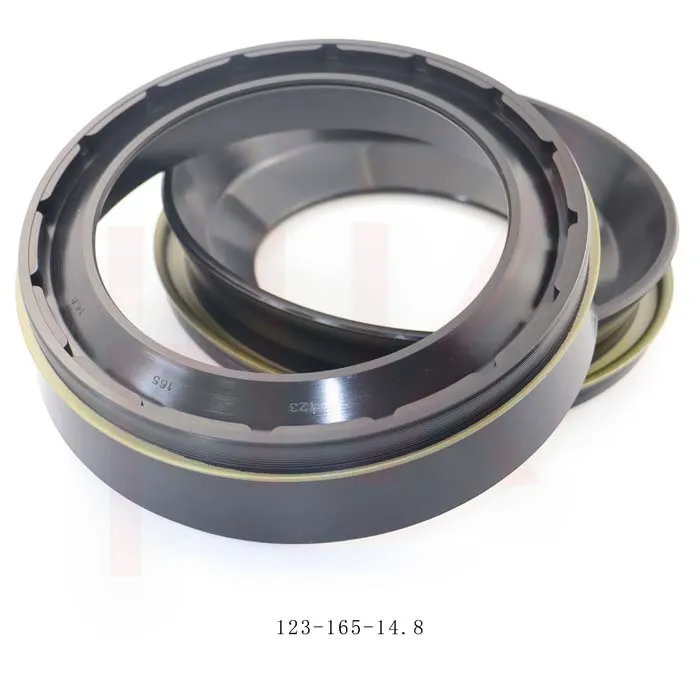
123*165*14.8 concrete mixer truck reducer oil seal
-
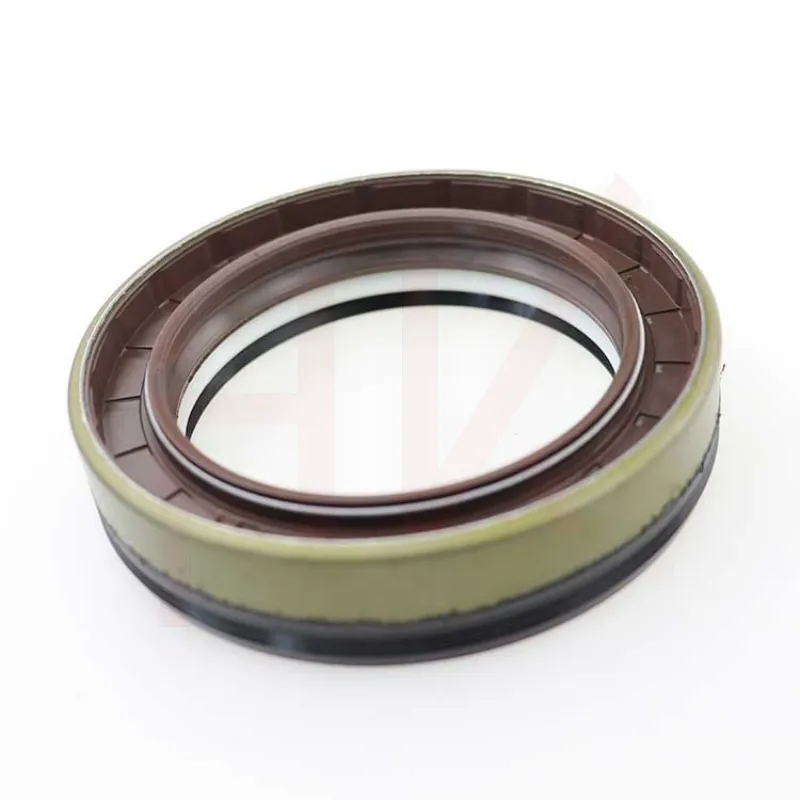
Tractor shaft oil seal 65-90-20 COMBI SF19 hub oil seal
-
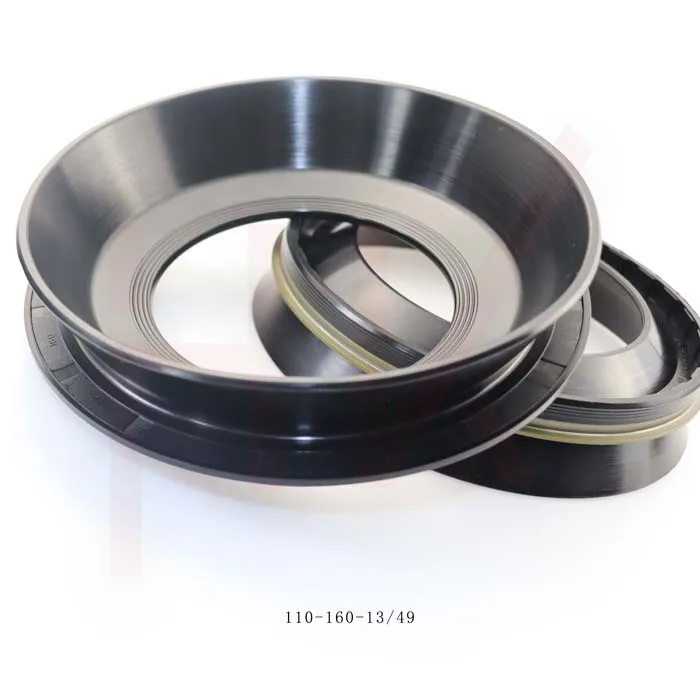
110*160*13/49 NBR reducerConcrete mixer truck oil seal
-
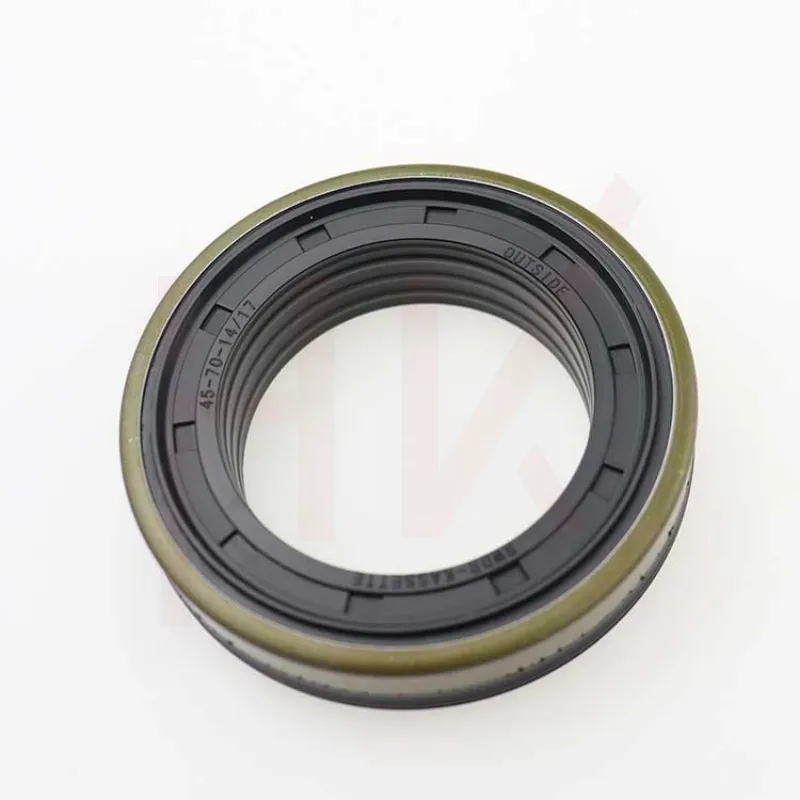
Hub oil seal 40*65*13/14.5 suitable for tractor Cat 12018035b
-
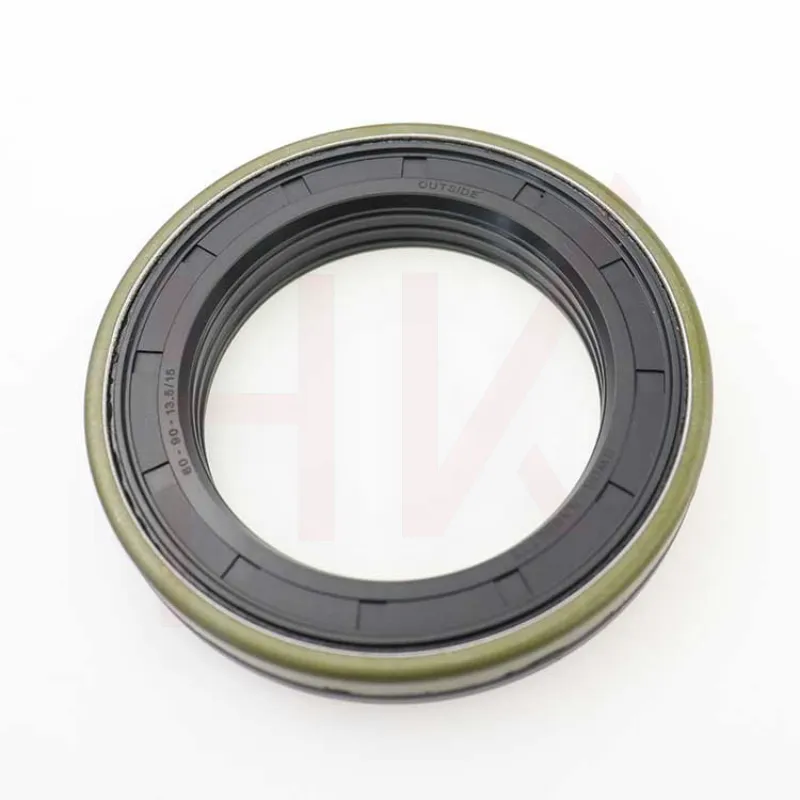
Tractor accessories cassette oil seal hub oil seal 60-90-13.5/15
-
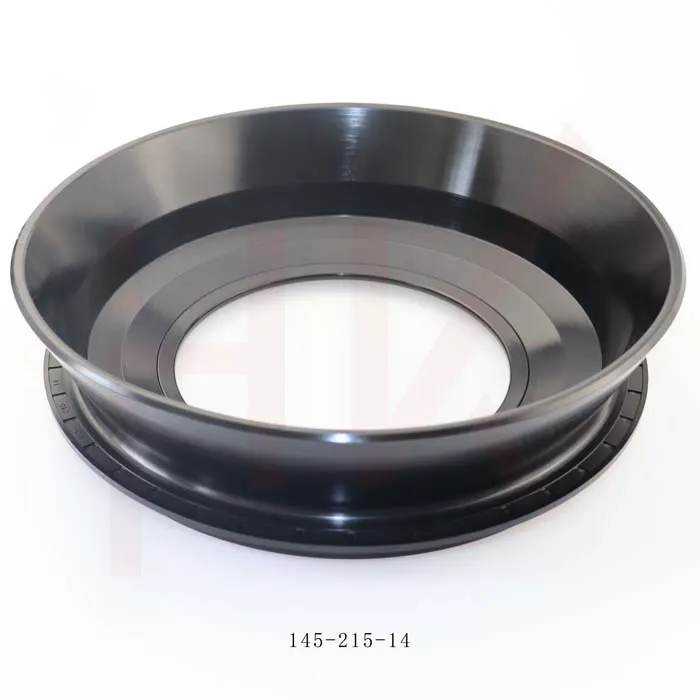
Factory concrete mixer truck oil seal 145*215*14 reducer gearbox oil seal
-
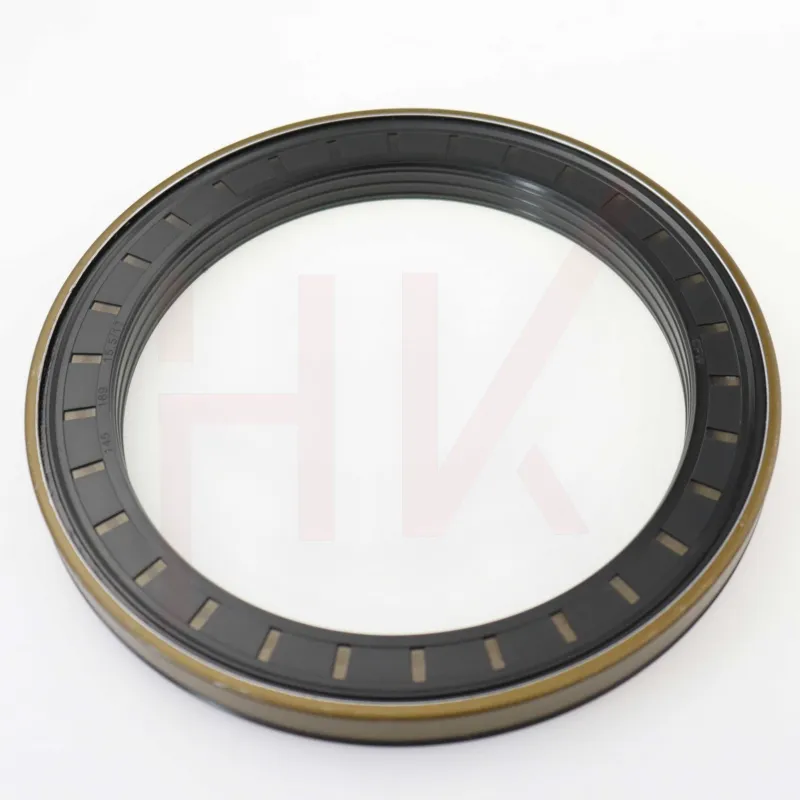
145*189*15.5/17 Cassette Seal NBR Hub Oil Seal 1508044
-
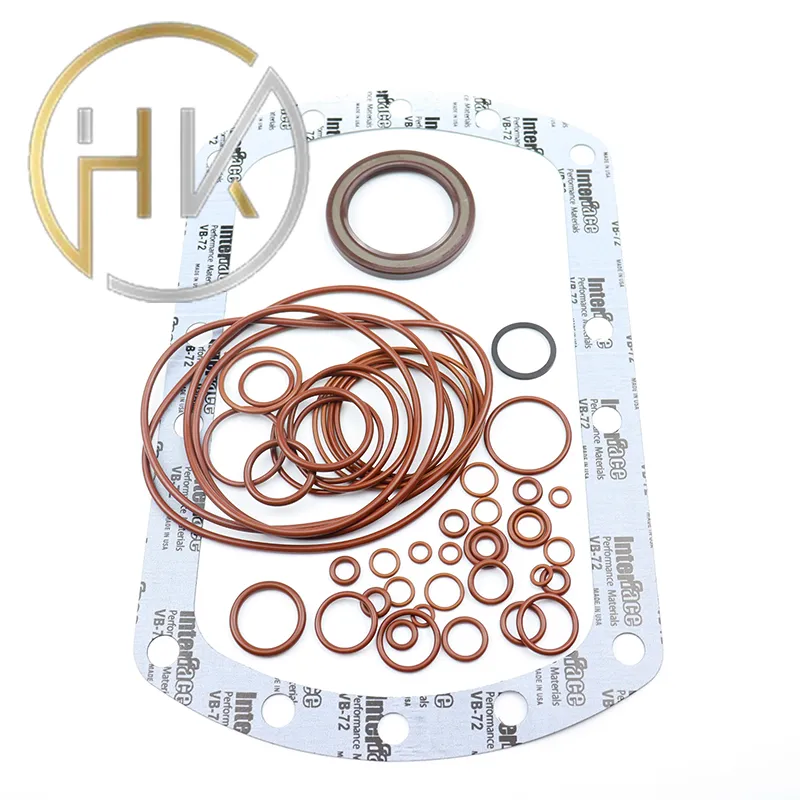
Factory direct sales hydraulic pump motor seal kit A8VO140
-
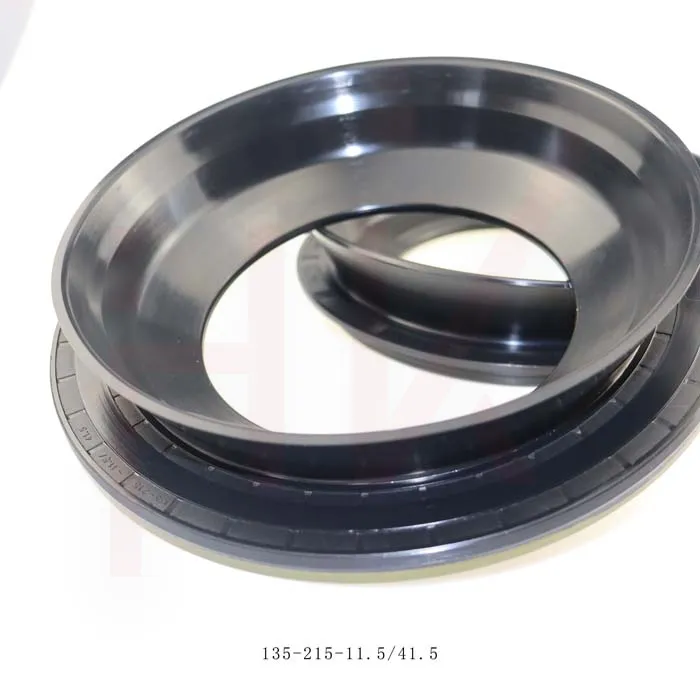
Brand new cement tanker oil seal 135*215*11.5/41.5 concrete mixer oil seal
-
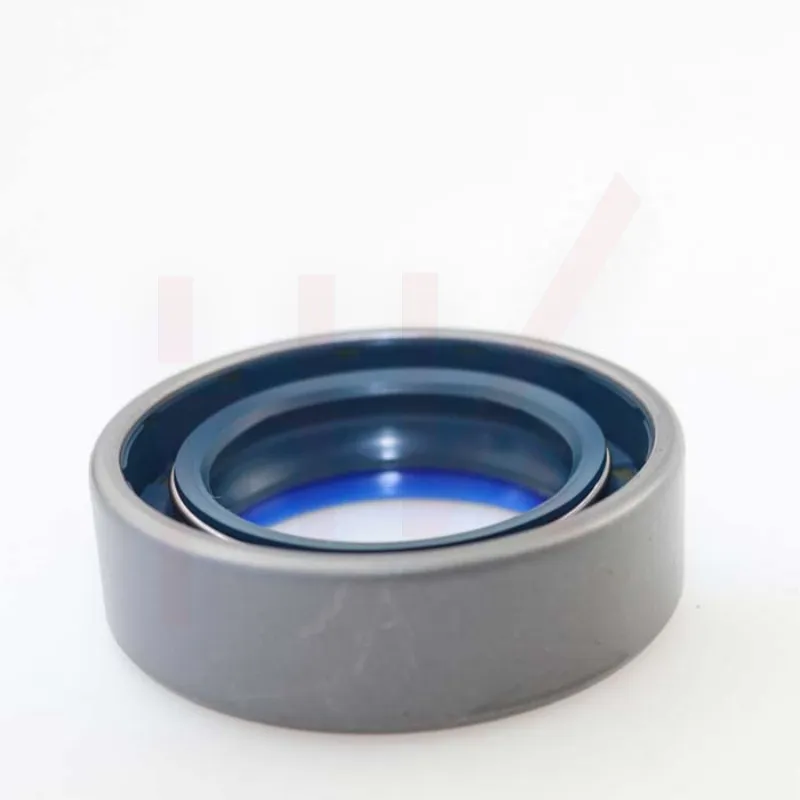
45*65*15 Combi oil seal JCB 90450009 COMBI SF1 SEAL
-
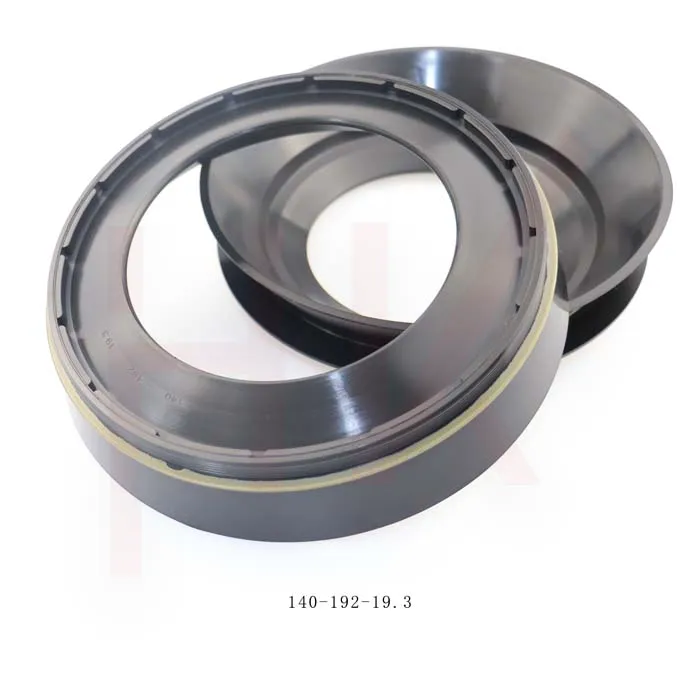
Gear box concrete mixer oil seal 140*192*19.3 nbr reducer oil seal
-
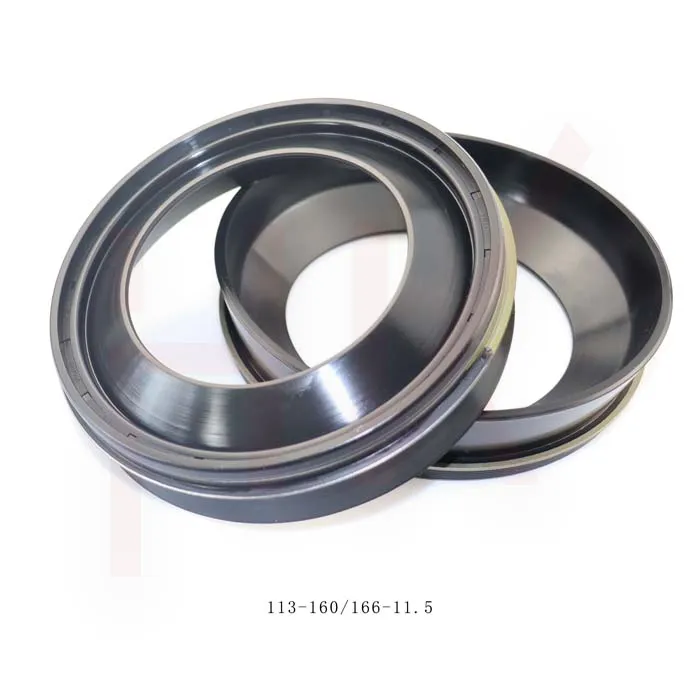
Seals factory direct sales 113*160/166*11.5/38 excavator truck reducer oil seal